ELECTRIC SPILONATUS
Protomelas Spilonatus
Out of Stock
Scarce stock
Wild Caught
Moderate care
Not Reef Safe
SKU: 01-A-02-047-01
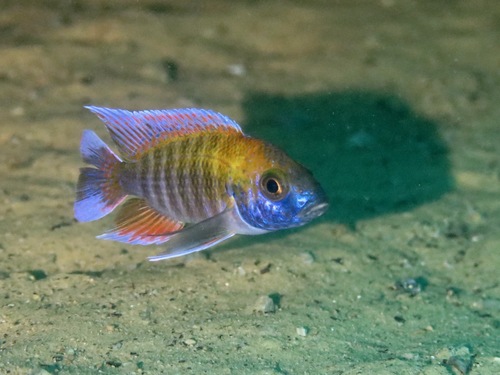
The Electric Spilonatus captivates with its vibrant colors and unique patterns.
Pricing for Verified Importers
Log in to see wholesale prices and order.
Export Size
up to 15.0 cm
Origin
Lake Malawi
Temperature
24.0–28.0°C
Min. Tank Size
200 L
pH
7.50–8.50
Diet
omnivore
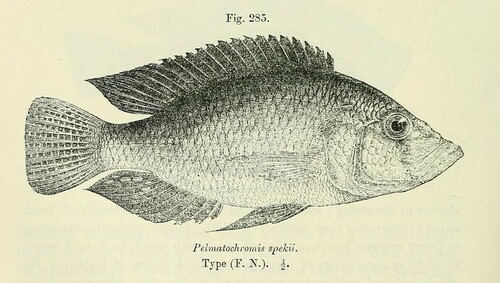
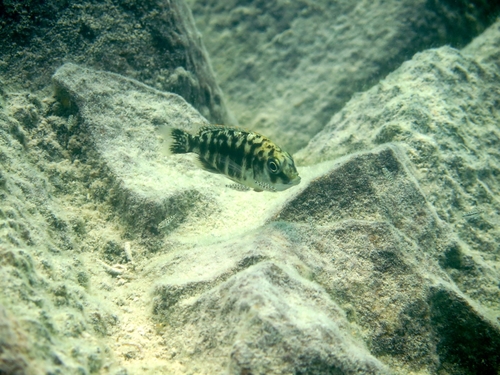
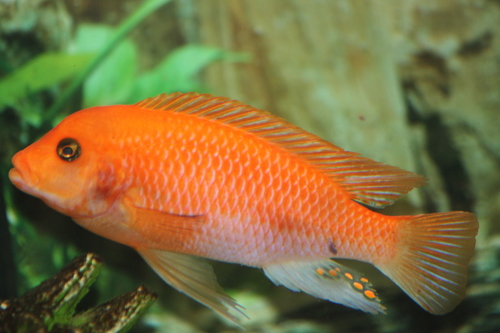
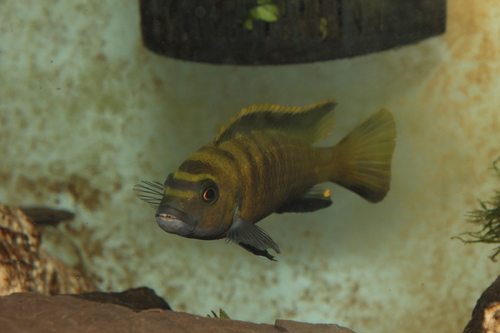
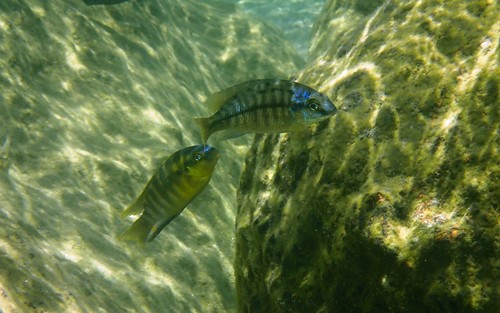
The Electric Spilonatus, scientifically known as Protomelas Spilonatus, is a stunning freshwater fish native to the rocky shores of Lake Malawi in East Africa. This species is part of the cichlid family, known for its vibrant colors and intriguing behaviors. Adult Electric Spilonatus display an array of brilliant hues, predominantly blue and yellow, which serve as a visual signal for courtship and territorial displays. Their striking appearance makes them a favorite among aquarium enthusiasts and importers alike.
In terms of behavior, Electric Spilonatus are known for their semi-aggressive nature, especially during breeding seasons. Males tend to be more territorial, often establishing dominance over specific areas within the tank. They engage in captivating courtship rituals, showcasing their colors to attract females. These fish thrive in rocky environments, where they can find hiding spots and establish territories, mimicking their natural habitat in Lake Malawi.
The Electric Spilonatus typically prefers a well-structured tank with plenty of hiding spots created from rocks and caves. They are social creatures and should be kept in groups, ideally with a ratio of one male to several females to minimize aggression. This species is also known to exhibit interesting social behaviors within their groups, providing an engaging display for observers.
Their natural diet consists of small invertebrates and algae, which can be replicated in captivity with a varied diet that includes high-quality pellets, frozen foods, and vegetable matter. Providing a balanced diet is crucial for their health and vibrant coloration, making them a rewarding species for both importers and aquarium retailers to offer to their clients.
In terms of behavior, Electric Spilonatus are known for their semi-aggressive nature, especially during breeding seasons. Males tend to be more territorial, often establishing dominance over specific areas within the tank. They engage in captivating courtship rituals, showcasing their colors to attract females. These fish thrive in rocky environments, where they can find hiding spots and establish territories, mimicking their natural habitat in Lake Malawi.
The Electric Spilonatus typically prefers a well-structured tank with plenty of hiding spots created from rocks and caves. They are social creatures and should be kept in groups, ideally with a ratio of one male to several females to minimize aggression. This species is also known to exhibit interesting social behaviors within their groups, providing an engaging display for observers.
Their natural diet consists of small invertebrates and algae, which can be replicated in captivity with a varied diet that includes high-quality pellets, frozen foods, and vegetable matter. Providing a balanced diet is crucial for their health and vibrant coloration, making them a rewarding species for both importers and aquarium retailers to offer to their clients.
When caring for Electric Spilonatus, maintaining optimal water parameters is crucial for their health. The ideal temperature range is between 24°C to 28°C, with a pH level between 7.5 and 8.5. It's essential to perform regular water changes to keep the water clean and well-oxygenated. Additionally, using a good filtration system will help maintain water quality.
Feeding Electric Spilonatus requires a balanced diet consisting of high-quality cichlid pellets, supplemented with frozen or live foods such as brine shrimp and daphnia. They also benefit from vegetable matter, so including spirulina flakes can enhance their diet. Compatibility should be carefully considered; they can be housed with other semi-aggressive fish but should be kept away from overly docile species to prevent stress and aggression.
Acclimation is key when introducing Electric Spilonatus to a new tank. It is recommended to use the drip acclimation method to minimize shock. Quarantine new arrivals for at least two weeks to monitor for any signs of illness before introducing them to the main tank. This practice helps ensure a healthy population and prevents the spread of diseases.
Feeding Electric Spilonatus requires a balanced diet consisting of high-quality cichlid pellets, supplemented with frozen or live foods such as brine shrimp and daphnia. They also benefit from vegetable matter, so including spirulina flakes can enhance their diet. Compatibility should be carefully considered; they can be housed with other semi-aggressive fish but should be kept away from overly docile species to prevent stress and aggression.
Acclimation is key when introducing Electric Spilonatus to a new tank. It is recommended to use the drip acclimation method to minimize shock. Quarantine new arrivals for at least two weeks to monitor for any signs of illness before introducing them to the main tank. This practice helps ensure a healthy population and prevents the spread of diseases.
Electric Spilonatus is well-suited for shipping, provided that proper packing methods are employed. Ensure that the packing density allows for adequate space and oxygen during transit. It is crucial to maintain a stable temperature between 24°C and 28°C during shipping to minimize stress. The species is not listed under CITES, making export regulations more straightforward.
Species Parameters
Max Adult Size
15.0 cm
Origin
Lake Malawi
Diet
omnivore
Temp Min
24.0 °C
Temp Max
28.0 °C
pH Min
7.50
pH Max
8.50
Min Tank
200 L