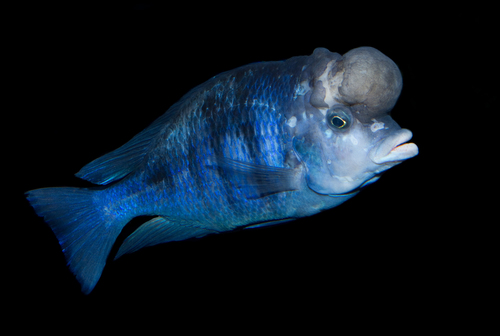
Malawi Blue Dolphin (Blue Morii)
Cyrtocara moorii
Out of Stock
Scarce stock
Wild Caught
Moderate care
Not Reef Safe
SKU: 01-A-02-016-01
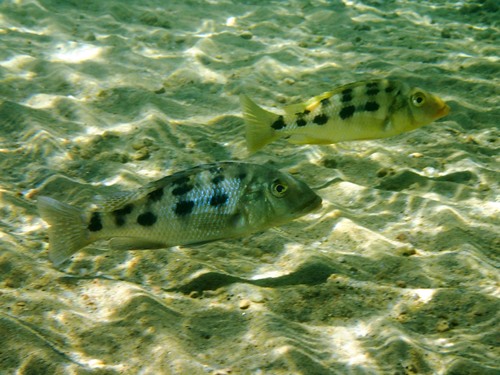
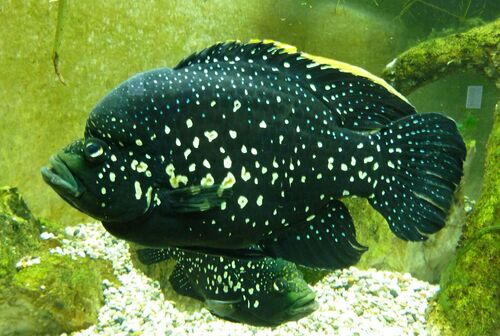
The Malawi Blue Dolphin is a stunning freshwater fish, known for its striking coloration and unique shape.
Pricing for Verified Importers
Log in to see wholesale prices and order.
Export Size
up to 25.0 cm
Origin
Lake Malawi
Temperature
24.0–28.0°C
Min. Tank Size
200 L
pH
7.80–8.60
Diet
herbivore
The Malawi Blue Dolphin, scientifically known as Cyrtocara moorii, is a captivating freshwater fish native to the rocky shorelines of Lake Malawi in East Africa. This species is renowned for its elongated body and distinctive dolphin-like profile, which sets it apart from other cichlids. The striking blue coloration, often enhanced by vibrant yellow accents, makes it a sought-after addition for both hobbyists and commercial aquarists alike.
In their natural habitat, Malawi Blue Dolphins thrive in rocky environments, where they forage for food and seek shelter. They are primarily herbivorous, feeding on algae and plant matter, but they will also consume small invertebrates. Their social structure is fascinating; these fish are known to exhibit territorial behavior, yet they can also display a level of sociality, often found in small groups or pairs. They are generally peaceful but can become aggressive when defending their territory or during breeding.
The Malawi Blue Dolphin's breeding habits are also unique. They are mouthbrooders, meaning females carry fertilized eggs in their mouths until the fry are ready to swim independently. This reproductive strategy ensures a higher survival rate for the young in their natural, predator-rich environment.
In aquaculture, the Malawi Blue Dolphin is valued not only for its beauty but also for its hardiness. It adapts well to various tank conditions, making it a favorite among aquarium enthusiasts. Understanding their natural history helps in creating optimal environments for these fascinating fish in captivity.
In their natural habitat, Malawi Blue Dolphins thrive in rocky environments, where they forage for food and seek shelter. They are primarily herbivorous, feeding on algae and plant matter, but they will also consume small invertebrates. Their social structure is fascinating; these fish are known to exhibit territorial behavior, yet they can also display a level of sociality, often found in small groups or pairs. They are generally peaceful but can become aggressive when defending their territory or during breeding.
The Malawi Blue Dolphin's breeding habits are also unique. They are mouthbrooders, meaning females carry fertilized eggs in their mouths until the fry are ready to swim independently. This reproductive strategy ensures a higher survival rate for the young in their natural, predator-rich environment.
In aquaculture, the Malawi Blue Dolphin is valued not only for its beauty but also for its hardiness. It adapts well to various tank conditions, making it a favorite among aquarium enthusiasts. Understanding their natural history helps in creating optimal environments for these fascinating fish in captivity.
When caring for the Malawi Blue Dolphin, maintaining proper water parameters is crucial. Ideal water temperature ranges from 24°C to 28°C, with a pH level between 7.8 and 8.6. They thrive in hard water enriched with minerals, which mimics their natural habitat. A minimum tank size of 200 liters is recommended to provide ample space for swimming and territorial behavior.
Feeding should consist of high-quality spirulina flakes, pellets, and occasional vegetable matter to ensure a balanced diet. It's important to avoid overfeeding, as this can lead to water quality issues. Compatibility is key; while they are generally peaceful, they can be aggressive towards similar-looking species or during breeding times. Suitable tank mates include other Malawi cichlids and peaceful community fish.
Acclimation should be gradual to prevent shock; consider using the drip acclimation method for best results. Quarantine is highly recommended for new arrivals to prevent the spread of diseases. Monitor for signs of stress or illness during this period, ensuring that the fish are healthy before introducing them to the main tank.
Feeding should consist of high-quality spirulina flakes, pellets, and occasional vegetable matter to ensure a balanced diet. It's important to avoid overfeeding, as this can lead to water quality issues. Compatibility is key; while they are generally peaceful, they can be aggressive towards similar-looking species or during breeding times. Suitable tank mates include other Malawi cichlids and peaceful community fish.
Acclimation should be gradual to prevent shock; consider using the drip acclimation method for best results. Quarantine is highly recommended for new arrivals to prevent the spread of diseases. Monitor for signs of stress or illness during this period, ensuring that the fish are healthy before introducing them to the main tank.
The Malawi Blue Dolphin is suitable for shipping due to its hardiness, but care must be taken to maintain stable water temperatures during transit. Packing density should allow for adequate oxygen exchange, ideally shipping no more than 5-6 fish per bag. Temperatures should be maintained between 22°C and 26°C to avoid stress. No CITES status is applicable for this species, simplifying export processes.
Species Parameters
Max Adult Size
25.0 cm
Origin
Lake Malawi
Diet
herbivore
Temp Min
24.0 °C
Temp Max
28.0 °C
pH Min
7.80
pH Max
8.60
Min Tank
200 L