Tangarine
Aulonocara Tangarine
Out of Stock
Scarce stock
Wild Caught
Moderate care
Not Reef Safe
SKU: 01-A-02-069-05
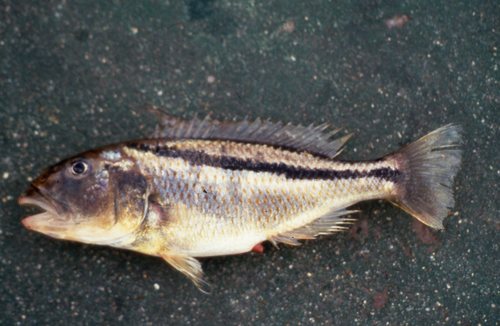
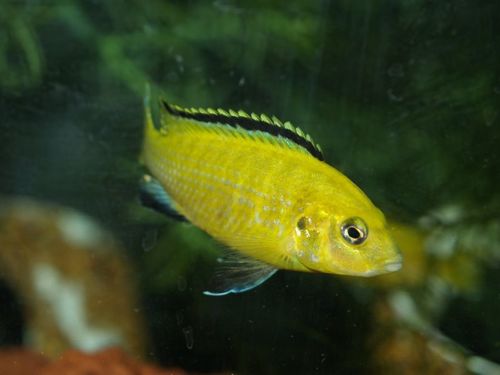
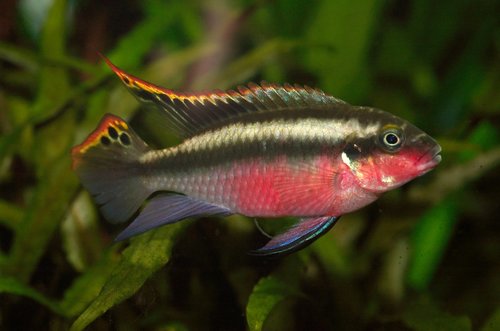
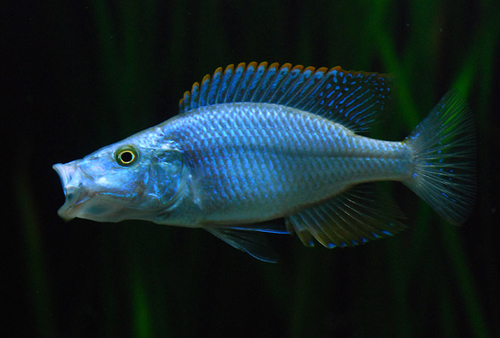
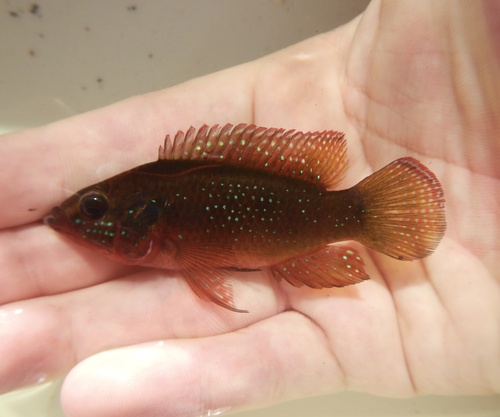
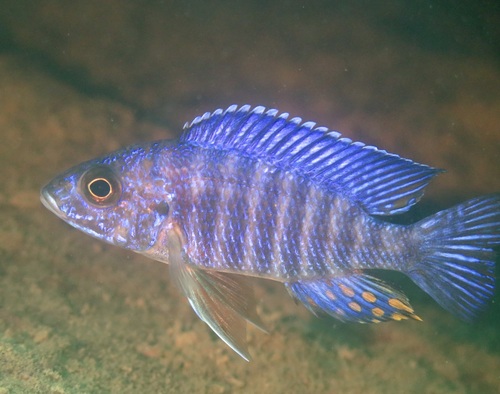
The Tangarine (Aulonocara Tangarine) boasts vibrant colors and unique patterns, making it a captivating addition to any aquarium.
Pricing for Verified Importers
Log in to see wholesale prices and order.
Export Size
up to 15.0 cm
Origin
Lake Malawi
Temperature
24.0–28.0°C
Min. Tank Size
150 L
pH
6.50–7.50
Diet
omnivore
The Tangarine, or Aulonocara Tangarine, is a stunning freshwater cichlid native to the waters of Lake Malawi in East Africa. Known for its bright orange hue and intricate patterns, this species exhibits a remarkable display of color that can vary with age, health, and environmental conditions. Adult males are particularly vibrant, showcasing a shimmering orange body with blue accents on the fins and face, which serve to attract females during the breeding season.
In terms of behavior, the Tangarine is relatively peaceful but can exhibit territorial tendencies, especially during mating. Males will often stake out territories in the substrate, displaying their colors to deter rivals. They are social creatures and thrive in groups, usually found in rocky substrates where they can hide and seek shelter. In their natural habitat, they are known to feed on small invertebrates and algae, showcasing their omnivorous diet.
The Tangarine prefers warm, soft, and slightly acidic to neutral waters, replicating its natural environment. In aquariums, they are often kept in setups that mimic rocky substrates with plenty of hiding spots to reduce stress and encourage natural behaviors. Their beauty and unique habits make them a favorite among aquarists seeking dynamic and colorful fish for display tanks.
Overall, the Tangarine is not only an eye-catching species but also an intriguing addition to freshwater aquariums, providing both aesthetic appeal and engaging behavior for viewers.
In terms of behavior, the Tangarine is relatively peaceful but can exhibit territorial tendencies, especially during mating. Males will often stake out territories in the substrate, displaying their colors to deter rivals. They are social creatures and thrive in groups, usually found in rocky substrates where they can hide and seek shelter. In their natural habitat, they are known to feed on small invertebrates and algae, showcasing their omnivorous diet.
The Tangarine prefers warm, soft, and slightly acidic to neutral waters, replicating its natural environment. In aquariums, they are often kept in setups that mimic rocky substrates with plenty of hiding spots to reduce stress and encourage natural behaviors. Their beauty and unique habits make them a favorite among aquarists seeking dynamic and colorful fish for display tanks.
Overall, the Tangarine is not only an eye-catching species but also an intriguing addition to freshwater aquariums, providing both aesthetic appeal and engaging behavior for viewers.
To ensure the health and vitality of Tangarine cichlids, maintain water parameters within specific ranges. Ideal temperatures should be between 24-28°C, with a pH of 6.5 to 7.5. Regular water changes are essential to maintain water quality, as these fish thrive in clean environments.
Feeding a balanced diet is crucial for their growth and coloration. High-quality pellets, supplemented with live or frozen foods like brine shrimp and bloodworms, will help enhance their vibrant colors and overall health. It's important to feed them multiple small meals throughout the day rather than one large feeding.
When introducing Tangarine cichlids to an aquarium, acclimation is vital. Use a drip method to gradually introduce them to the tank's water conditions. Quarantine new arrivals for at least two weeks to prevent disease spread. In terms of compatibility, they can be housed with other peaceful cichlids and community fish but should be monitored to prevent aggression.
Providing a minimum tank size of 150 liters is recommended for a small group to ensure adequate space for swimming and territorial behavior. Regular monitoring and maintenance will help create an optimal environment for these beautiful fish.
Feeding a balanced diet is crucial for their growth and coloration. High-quality pellets, supplemented with live or frozen foods like brine shrimp and bloodworms, will help enhance their vibrant colors and overall health. It's important to feed them multiple small meals throughout the day rather than one large feeding.
When introducing Tangarine cichlids to an aquarium, acclimation is vital. Use a drip method to gradually introduce them to the tank's water conditions. Quarantine new arrivals for at least two weeks to prevent disease spread. In terms of compatibility, they can be housed with other peaceful cichlids and community fish but should be monitored to prevent aggression.
Providing a minimum tank size of 150 liters is recommended for a small group to ensure adequate space for swimming and territorial behavior. Regular monitoring and maintenance will help create an optimal environment for these beautiful fish.
Tangarine cichlids are suitable for shipping due to their hardiness, but care must be taken to maintain stable water temperatures during transport. Packing density should allow for adequate oxygen exchange, with a recommended density of 1 fish per liter. Avoiding extreme temperature fluctuations is crucial, as they are sensitive to cold conditions. Currently, there are no CITES restrictions on this species.
Species Parameters
Max Adult Size
15.0 cm
Origin
Lake Malawi
Diet
omnivore
Temp Min
24.0 °C
Temp Max
28.0 °C
pH Min
6.50
pH Max
7.50
Min Tank
150 L