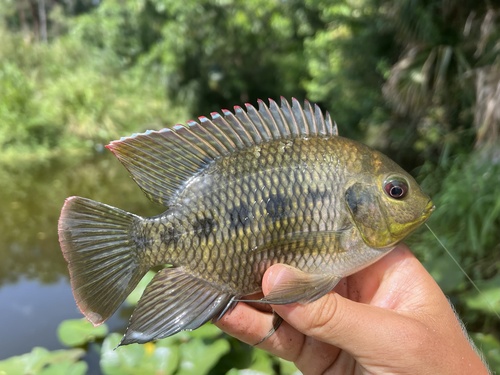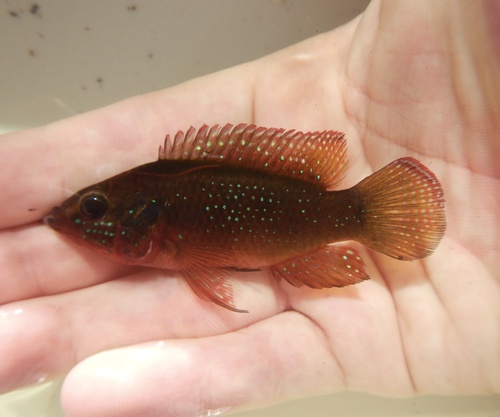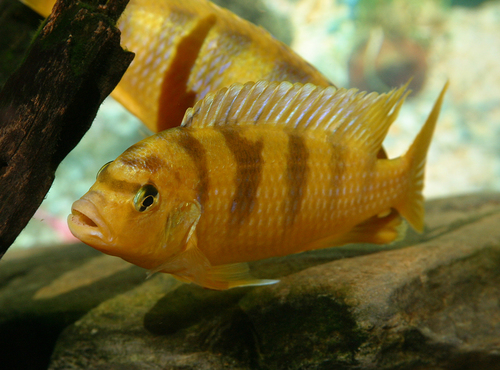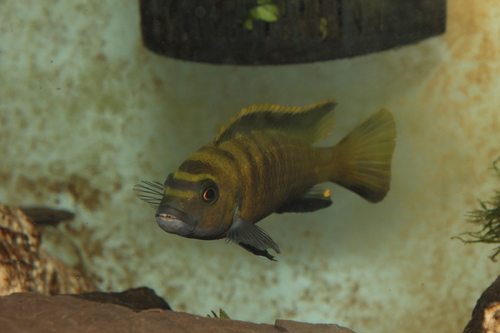
Albino Malawi Eye-Biter
Dimidiochromis compressiceps
In Stock
Common stock
Wild Caught
Moderate care
Not Reef Safe
SKU: 01-A-02-101-01
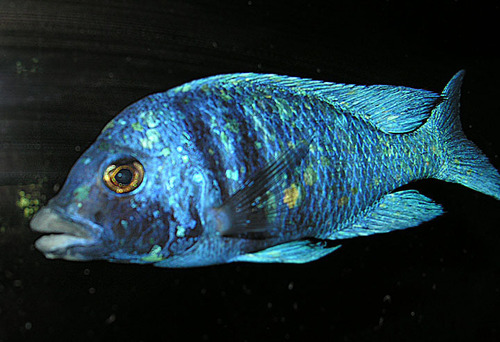
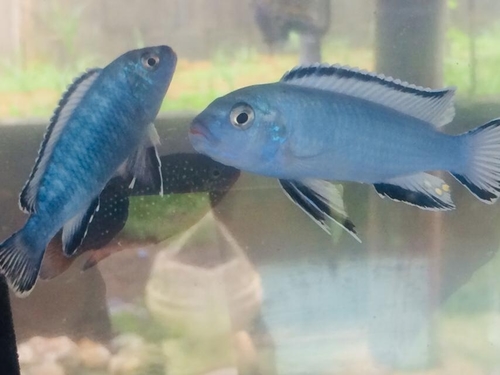
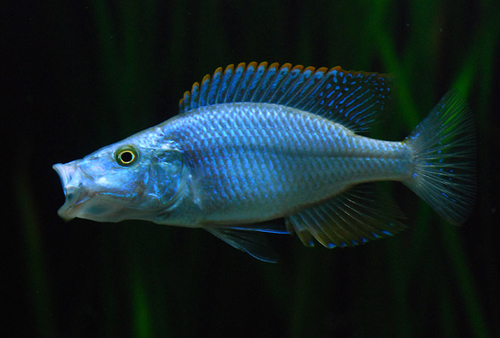
The Albino Malawi Eye-Biter is a stunning, rare freshwater fish known for its striking appearance and unique behavior.
Pricing for Verified Importers
Log in to see wholesale prices and order.
Export Size
up to 15.0 cm
Origin
Lake Malawi
Temperature
24.0–28.0°C
Min. Tank Size
200 L
pH
7.50–8.50
Diet
carnivore
The Albino Malawi Eye-Biter, scientifically known as Dimidiochromis compressiceps, is a captivating species native to the rocky shores of Lake Malawi in East Africa. This variant features a striking white to pale pink body, complemented by vivid red or orange hues on its fins and eyes, making it a highly sought-after addition to aquariums. The unique coloration of the albino variant not only adds visual interest but also highlights the species' distinctive body shape, which is elongated and compressed, allowing it to navigate through rocky environments efficiently.
In its natural habitat, the Albino Malawi Eye-Biter typically inhabits deeper waters near rocky substrates where it can find ample hiding spots. This species is known for its semi-aggressive nature and territorial behavior, particularly during breeding seasons. Social interactions are fascinating to observe, as males will establish dominance through displays of color and fin flare, often engaging in elaborate courtship rituals. Their diet mainly consists of smaller fish and invertebrates, showcasing their predatory instincts.
The Albino Malawi Eye-Biter thrives in a well-structured environment that mimics its natural habitat, featuring caves and rocky formations. It is essential to provide adequate space for these fish to establish territories while also allowing for social interactions. They are known to exhibit schooling behavior when young, but adults tend to become more solitary or territorial as they mature. Their unique personality and vibrant appearance make them a popular choice for aquarists seeking to create a dynamic and visually appealing freshwater aquarium.
Overall, the Albino Malawi Eye-Biter is not only a stunning fish but also a species that offers insight into complex social structures and behaviors within aquatic environments, making it a prized species for both hobbyists and wholesalers alike.
In its natural habitat, the Albino Malawi Eye-Biter typically inhabits deeper waters near rocky substrates where it can find ample hiding spots. This species is known for its semi-aggressive nature and territorial behavior, particularly during breeding seasons. Social interactions are fascinating to observe, as males will establish dominance through displays of color and fin flare, often engaging in elaborate courtship rituals. Their diet mainly consists of smaller fish and invertebrates, showcasing their predatory instincts.
The Albino Malawi Eye-Biter thrives in a well-structured environment that mimics its natural habitat, featuring caves and rocky formations. It is essential to provide adequate space for these fish to establish territories while also allowing for social interactions. They are known to exhibit schooling behavior when young, but adults tend to become more solitary or territorial as they mature. Their unique personality and vibrant appearance make them a popular choice for aquarists seeking to create a dynamic and visually appealing freshwater aquarium.
Overall, the Albino Malawi Eye-Biter is not only a stunning fish but also a species that offers insight into complex social structures and behaviors within aquatic environments, making it a prized species for both hobbyists and wholesalers alike.
To ensure the health and well-being of the Albino Malawi Eye-Biter, it is crucial to maintain stable water parameters. Ideal temperature ranges from 24°C to 28°C, with a pH level between 7.5 and 8.5. A minimum tank size of 200 liters is recommended to provide ample space for swimming and territorial behavior. The tank setup should include plenty of hiding spots created with rocks and caves to replicate their natural environment.
Feeding should consist of a varied diet that includes high-quality pellets, live or frozen foods such as brine shrimp, and smaller fish to cater to their carnivorous nature. Regular feeding schedules are important to promote healthy growth and vibrant colors. Compatibility can be a challenge, as they may exhibit aggressive behavior towards other cichlids, especially during breeding. It is advisable to keep them with similarly sized species that can tolerate their assertive nature.
Acclimation should be gradual to reduce stress, ideally over several hours, using a drip acclimation method. Quarantine new arrivals for at least two weeks to prevent the introduction of diseases into your main tank. Monitoring for signs of stress or illness during this period is essential for maintaining a healthy aquarium environment.
Feeding should consist of a varied diet that includes high-quality pellets, live or frozen foods such as brine shrimp, and smaller fish to cater to their carnivorous nature. Regular feeding schedules are important to promote healthy growth and vibrant colors. Compatibility can be a challenge, as they may exhibit aggressive behavior towards other cichlids, especially during breeding. It is advisable to keep them with similarly sized species that can tolerate their assertive nature.
Acclimation should be gradual to reduce stress, ideally over several hours, using a drip acclimation method. Quarantine new arrivals for at least two weeks to prevent the introduction of diseases into your main tank. Monitoring for signs of stress or illness during this period is essential for maintaining a healthy aquarium environment.
Shipping the Albino Malawi Eye-Biter requires careful planning to ensure their health during transit. Optimal packing density is 1-2 fish per liter of water, with proper oxygenation and temperature control to maintain a range of 24°C to 28°C. As a freshwater species, they are sensitive to temperature fluctuations, so insulation and heat packs may be necessary during colder months. There are no CITES restrictions on this species, simplifying export logistics.
Species Parameters
Max Adult Size
15.0 cm
Origin
Lake Malawi
Diet
carnivore
Temp Min
24.0 °C
Temp Max
28.0 °C
pH Min
7.50
pH Max
8.50
Min Tank
200 L