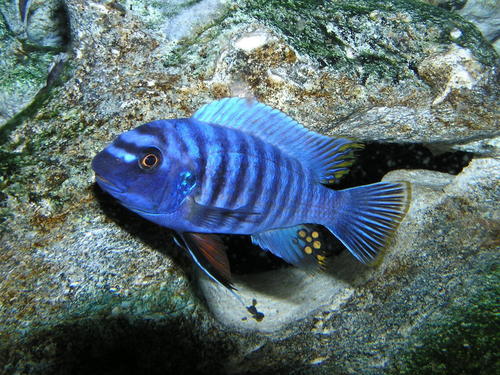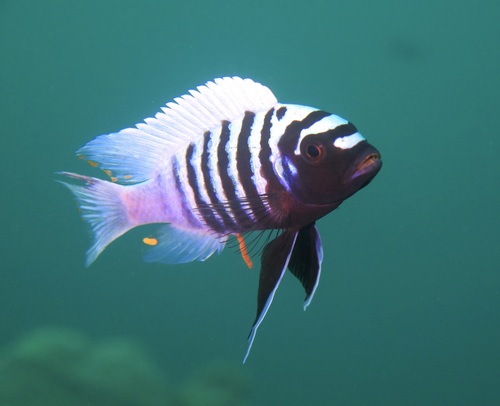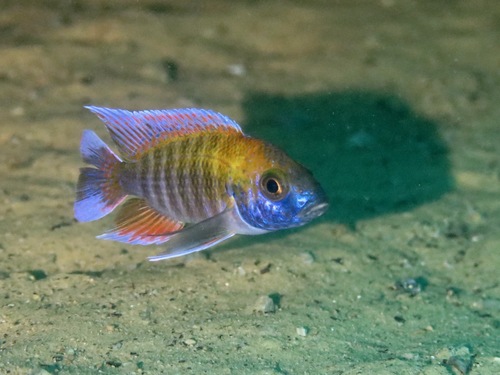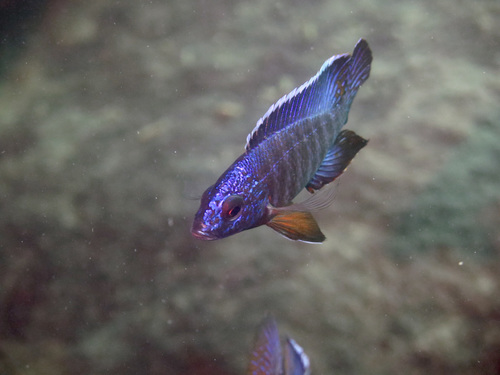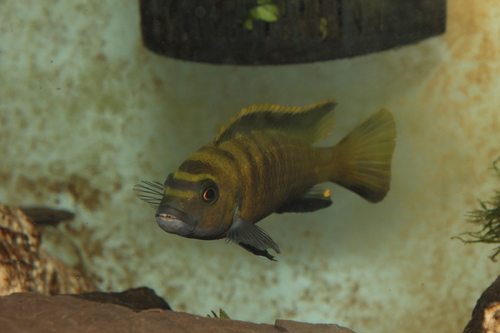
Marbled Vieja Fenestratus Cichlid
Vieja Fenestratus
In Stock
Common stock
Wild Caught
Moderate care
Not Reef Safe
SKU: 01-A-02-090-02
The Marbled Vieja Fenestratus Cichlid is a stunning freshwater fish, prized for its unique pattern and vibrant colors.
Pricing for Verified Importers
Log in to see wholesale prices and order.
Export Size
up to 30.0 cm
Origin
Central America
Temperature
24.0–28.0°C
Min. Tank Size
200 L
pH
6.50–8.00
Diet
omnivore
The Marbled Vieja Fenestratus Cichlid, known for its striking marbled pattern, is a popular choice among aquarium enthusiasts. Native to the freshwater lakes and rivers of Central America, particularly around Nicaragua and Costa Rica, this species thrives in a variety of habitats, including rocky substrates and densely vegetated areas. As a member of the cichlid family, the Marbled Vieja Fenestratus exhibits a robust body shape, typically adorned with shades of blue, green, and yellow, creating a visually stunning display in any aquarium setting.
In terms of behavior, this cichlid is known for its territorial nature, especially during breeding seasons. They are relatively social but can exhibit aggression towards other fish, particularly those of similar size and appearance. When kept in a community tank, it is advisable to provide ample hiding spots and territories to minimize conflicts. Their curious and intelligent nature makes them engaging pets, often interacting with their owners and exploring their environment.
The Marbled Vieja Fenestratus prefers a well-structured habitat with plenty of hiding spaces provided by rocks, caves, and plants. In the wild, they inhabit areas with slow-moving waters, where they can forage for food among the substrate. To replicate this environment in captivity, aquarists should aim for a tank with a sandy substrate and various decorations that allow the fish to establish their own territories and feel secure.
Overall, the Marbled Vieja Fenestratus Cichlid is not only a visually striking fish but also an interesting and dynamic addition to any freshwater aquarium, appealing to both novice and experienced aquarists alike.
In terms of behavior, this cichlid is known for its territorial nature, especially during breeding seasons. They are relatively social but can exhibit aggression towards other fish, particularly those of similar size and appearance. When kept in a community tank, it is advisable to provide ample hiding spots and territories to minimize conflicts. Their curious and intelligent nature makes them engaging pets, often interacting with their owners and exploring their environment.
The Marbled Vieja Fenestratus prefers a well-structured habitat with plenty of hiding spaces provided by rocks, caves, and plants. In the wild, they inhabit areas with slow-moving waters, where they can forage for food among the substrate. To replicate this environment in captivity, aquarists should aim for a tank with a sandy substrate and various decorations that allow the fish to establish their own territories and feel secure.
Overall, the Marbled Vieja Fenestratus Cichlid is not only a visually striking fish but also an interesting and dynamic addition to any freshwater aquarium, appealing to both novice and experienced aquarists alike.
To ensure the health and longevity of the Marbled Vieja Fenestratus Cichlid, it is essential to maintain specific water parameters. The ideal temperature range is between 24-28°C, with a pH of 6.5 to 8.0. Regular water changes and a good filtration system are necessary to keep the water clean and stable. These fish thrive in well-oxygenated environments, so aeration is also important.
Feeding should consist of a varied diet that includes high-quality pellets, frozen or live foods such as brine shrimp and bloodworms, and occasional vegetable matter. This omnivorous diet ensures they receive the necessary nutrients for optimal growth and coloration. It is crucial to feed them small amounts multiple times a day rather than one large feeding to prevent overfeeding and water quality issues.
When introducing the Marbled Vieja Fenestratus to a new aquarium, a gradual acclimation process is recommended to minimize stress. Use the drip acclimation method over several hours to help them adjust to the new water conditions. Quarantine any new arrivals for at least two weeks before adding them to the main tank to prevent the introduction of diseases.
Compatibility can be challenging; while they can coexist with larger, non-aggressive fish, it is best to avoid keeping them with smaller species or those that may provoke their territorial instincts. Providing ample space and hiding spots can help reduce aggression and ensure a peaceful community tank.
Feeding should consist of a varied diet that includes high-quality pellets, frozen or live foods such as brine shrimp and bloodworms, and occasional vegetable matter. This omnivorous diet ensures they receive the necessary nutrients for optimal growth and coloration. It is crucial to feed them small amounts multiple times a day rather than one large feeding to prevent overfeeding and water quality issues.
When introducing the Marbled Vieja Fenestratus to a new aquarium, a gradual acclimation process is recommended to minimize stress. Use the drip acclimation method over several hours to help them adjust to the new water conditions. Quarantine any new arrivals for at least two weeks before adding them to the main tank to prevent the introduction of diseases.
Compatibility can be challenging; while they can coexist with larger, non-aggressive fish, it is best to avoid keeping them with smaller species or those that may provoke their territorial instincts. Providing ample space and hiding spots can help reduce aggression and ensure a peaceful community tank.
The Marbled Vieja Fenestratus Cichlid is suitable for air shipping, provided they are packed securely with adequate water and oxygen. A packing density of 1-2 fish per liter is recommended to ensure comfort during transit. These fish are sensitive to temperature fluctuations, so maintaining a stable temperature between 24-28°C during shipping is vital. Currently, there are no specific CITES restrictions on this species.
Species Parameters
Max Adult Size
30.0 cm
Origin
Central America
Diet
omnivore
Temp Min
24.0 °C
Temp Max
28.0 °C
pH Min
6.50
pH Max
8.00
Min Tank
200 L