"Red" Malawi Eye Biter
Dimidiochromis compressiceps var. "RED"
Out of Stock
Scarce stock
Wild Caught
Moderate care
Not Reef Safe
SKU: 01-A-02-094-02
The 'Red' Malawi Eye Biter captivates with its striking coloration and unique behavior.
Pricing for Verified Importers
Log in to see wholesale prices and order.
Export Size
up to 20.0 cm
Origin
Lake Malawi
Temperature
24.0–28.0°C
Min. Tank Size
200 L
pH
7.80–8.60
Diet
carnivore
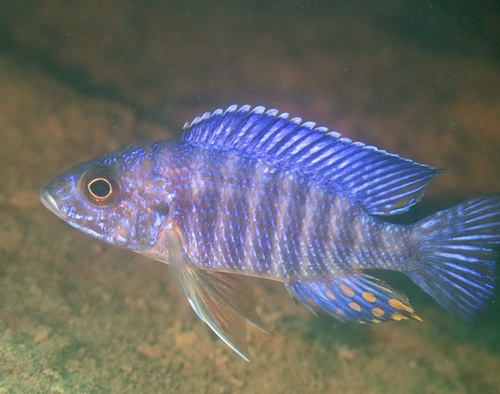
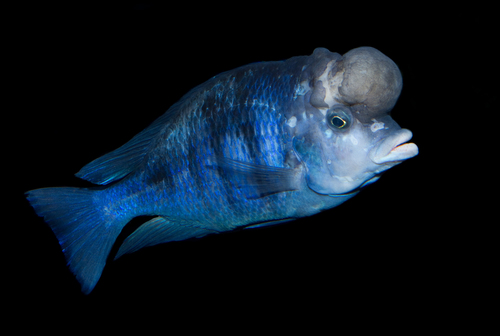
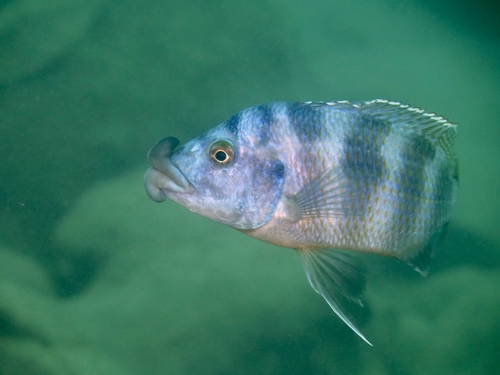
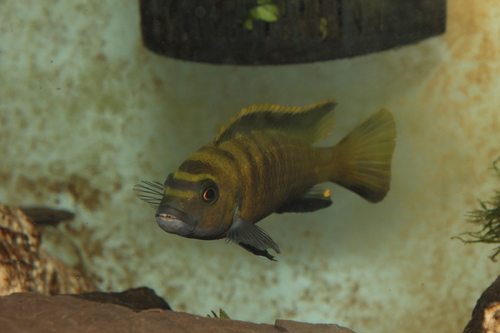
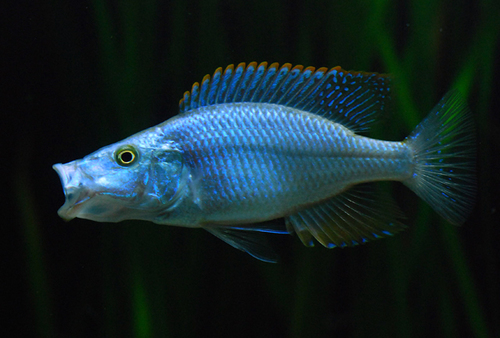
The 'Red' Malawi Eye Biter (Dimidiochromis compressiceps var. 'RED') is a stunning freshwater fish endemic to the African Great Lakes, particularly Lake Malawi. Known for its vibrant red hues and elongated body shape, this species exhibits a unique blend of beauty and aggression. Its name, 'Eye Biter', comes from its natural predatory behavior, where it exhibits a remarkable ability to hunt small fish by targeting their eyes. This distinctive hunting technique not only makes it a fascinating specimen for aquarists but also highlights its adaptability in the wild.
In terms of appearance, the 'Red' Malawi Eye Biter features a sleek, compressed body adorned with bright red and orange colors, which can vary based on environmental factors and mood. This coloration becomes even more pronounced during breeding seasons, making males particularly striking. Their fins are long and flowing, contributing to their graceful movements in the water. Juveniles may display duller colors, gradually transforming as they mature, which adds an interesting aspect for enthusiasts who appreciate observing growth and development.
Behaviorally, these fish are known to be semi-aggressive, especially during breeding. While they can coexist with other species in a community tank, careful selection of tank mates is crucial to avoid conflicts. They tend to establish territories, especially males, and engage in interesting courtship displays to attract females. In their natural habitat, they prefer rocky substrates where they can find shelter and hunting grounds, which should be replicated in captivity to ensure their well-being.
The 'Red' Malawi Eye Biter thrives in natural environments characterized by stable water conditions, predominantly rocky substrates, and plenty of swimming space. Understanding their natural habitat is essential for creating an optimal environment in aquariums, promoting healthy growth and behavior in these captivating fish.
In terms of appearance, the 'Red' Malawi Eye Biter features a sleek, compressed body adorned with bright red and orange colors, which can vary based on environmental factors and mood. This coloration becomes even more pronounced during breeding seasons, making males particularly striking. Their fins are long and flowing, contributing to their graceful movements in the water. Juveniles may display duller colors, gradually transforming as they mature, which adds an interesting aspect for enthusiasts who appreciate observing growth and development.
Behaviorally, these fish are known to be semi-aggressive, especially during breeding. While they can coexist with other species in a community tank, careful selection of tank mates is crucial to avoid conflicts. They tend to establish territories, especially males, and engage in interesting courtship displays to attract females. In their natural habitat, they prefer rocky substrates where they can find shelter and hunting grounds, which should be replicated in captivity to ensure their well-being.
The 'Red' Malawi Eye Biter thrives in natural environments characterized by stable water conditions, predominantly rocky substrates, and plenty of swimming space. Understanding their natural habitat is essential for creating an optimal environment in aquariums, promoting healthy growth and behavior in these captivating fish.
To successfully care for the 'Red' Malawi Eye Biter, it is essential to maintain specific water parameters. The ideal temperature range is between 24°C to 28°C, with a pH level of 7.8 to 8.6, reflecting their natural alkaline habitat. Regular water changes and monitoring of nitrate and ammonia levels are crucial to maintain a healthy environment.
Feeding these fish requires a high-protein diet, as they are carnivorous. A mix of high-quality pellets, frozen or live food such as brine shrimp, and small fish will ensure they receive adequate nutrition. It's advisable to feed them multiple times a day in small portions to prevent overfeeding and maintain water quality.
In terms of compatibility, the 'Red' Malawi Eye Biter can be kept with other semi-aggressive African cichlids, but care should be taken to avoid overly aggressive species that could stress or harm them. Acclimation should be done slowly, allowing them to adjust to new tank conditions. A quarantine period of at least two weeks is recommended before introducing new fish to prevent the spread of disease.
Lastly, when setting up a tank, a minimum size of 200 liters is recommended to provide ample space for swimming and territorial behavior. Including plenty of hiding spots with rocks and caves will help reduce stress and promote natural behaviors in this striking species.
Feeding these fish requires a high-protein diet, as they are carnivorous. A mix of high-quality pellets, frozen or live food such as brine shrimp, and small fish will ensure they receive adequate nutrition. It's advisable to feed them multiple times a day in small portions to prevent overfeeding and maintain water quality.
In terms of compatibility, the 'Red' Malawi Eye Biter can be kept with other semi-aggressive African cichlids, but care should be taken to avoid overly aggressive species that could stress or harm them. Acclimation should be done slowly, allowing them to adjust to new tank conditions. A quarantine period of at least two weeks is recommended before introducing new fish to prevent the spread of disease.
Lastly, when setting up a tank, a minimum size of 200 liters is recommended to provide ample space for swimming and territorial behavior. Including plenty of hiding spots with rocks and caves will help reduce stress and promote natural behaviors in this striking species.
The 'Red' Malawi Eye Biter is suitable for shipping due to its hardiness. During transport, it should be packed with care, allowing adequate space to avoid stress and injury. The ideal shipping temperature is between 24°C to 26°C, with minimal exposure to extreme temperatures. Ensure proper oxygenation and insulation in the shipping containers. This species is not listed under CITES, making it easier to export.
Species Parameters
Max Adult Size
20.0 cm
Origin
Lake Malawi
Diet
carnivore
Temp Min
24.0 °C
Temp Max
28.0 °C
pH Min
7.80
pH Max
8.60
Min Tank
200 L