Madagascar Cichlid
Paratilapia polleni
Out of Stock
Scarce stock
Wild Caught
Moderate care
Not Reef Safe
SKU: 01-A-02-076-01
The Madagascar Cichlid is renowned for its vibrant colors and unique behaviors, making it a sought-after species for aquarists.
Pricing for Verified Importers
Log in to see wholesale prices and order.
Export Size
up to 30.0 cm
Origin
Madagascar
Temperature
24.0–28.0°C
Min. Tank Size
200 L
pH
7.50–8.50
Diet
carnivore
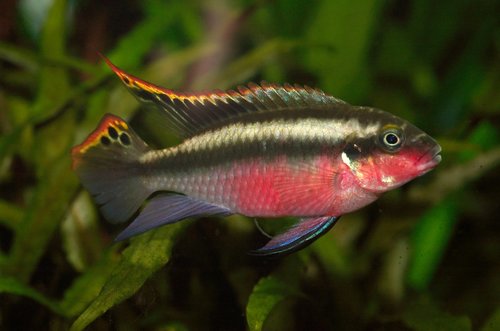
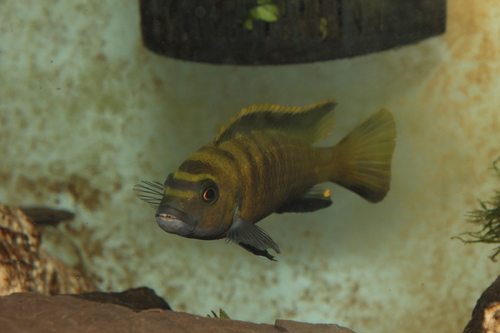
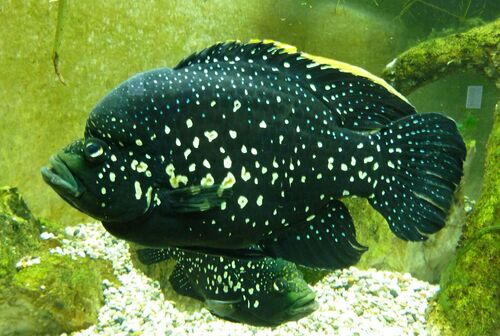
The Madagascar Cichlid, scientifically known as Paratilapia polleni, is a stunning freshwater fish native to the lakes and rivers of Madagascar. It is characterized by its striking coloration, which can vary from bright yellows to deep blues, often adorned with intricate patterns that make it a visual centerpiece in aquariums. Adult Madagascar Cichlids can reach lengths of up to 30 cm, showcasing their impressive size and beauty.
In terms of behavior, Madagascar Cichlids are known for their territorial nature, particularly during breeding seasons. Males can be quite aggressive, establishing and defending their territory vigorously. They are also intelligent and curious fish, often interacting with their environment and the aquarist. These cichlids prefer a well-structured habitat with plenty of hiding spots, such as rocks and plants, which mimic their natural environment and provide security.
Habitat-wise, Madagascar Cichlids thrive in freshwater lakes and rivers, where they inhabit sandy and rocky substrates. Given their native environment, they require specific conditions to flourish in captivity, including stable water parameters and ample space to swim and explore. Their natural diet consists mainly of smaller fish and crustaceans, which informs their dietary needs in aquariums.
With proper care and an understanding of their natural history, Madagascar Cichlids can be a rewarding addition to any freshwater aquarium, captivating both novice and experienced aquarists alike.
In terms of behavior, Madagascar Cichlids are known for their territorial nature, particularly during breeding seasons. Males can be quite aggressive, establishing and defending their territory vigorously. They are also intelligent and curious fish, often interacting with their environment and the aquarist. These cichlids prefer a well-structured habitat with plenty of hiding spots, such as rocks and plants, which mimic their natural environment and provide security.
Habitat-wise, Madagascar Cichlids thrive in freshwater lakes and rivers, where they inhabit sandy and rocky substrates. Given their native environment, they require specific conditions to flourish in captivity, including stable water parameters and ample space to swim and explore. Their natural diet consists mainly of smaller fish and crustaceans, which informs their dietary needs in aquariums.
With proper care and an understanding of their natural history, Madagascar Cichlids can be a rewarding addition to any freshwater aquarium, captivating both novice and experienced aquarists alike.
To ensure the health and vitality of Madagascar Cichlids, maintaining appropriate water parameters is crucial. Ideal temperature ranges from 24 to 28°C, with a pH level between 7.5 and 8.5. These cichlids thrive in well-filtered, clean water, so regular water changes and monitoring are essential.
Feeding Madagascar Cichlids a varied diet is key to their health; they are primarily carnivorous and benefit from high-quality pellets, frozen or live foods such as brine shrimp and bloodworms. It's advisable to feed them once or twice a day, ensuring to adjust portions based on their size and activity levels.
When it comes to tank mates, caution is advised due to their territorial behavior, especially in smaller tanks. They do well with larger, similarly-sized fish that can hold their own. Acclimation should be gradual; introducing them slowly to their new environment can minimize stress and aggression.
Quarantine new arrivals for at least two weeks in a separate tank to monitor for diseases and ensure they are healthy before introducing them to the main aquarium. This practice helps maintain the overall health of your aquatic community.
Feeding Madagascar Cichlids a varied diet is key to their health; they are primarily carnivorous and benefit from high-quality pellets, frozen or live foods such as brine shrimp and bloodworms. It's advisable to feed them once or twice a day, ensuring to adjust portions based on their size and activity levels.
When it comes to tank mates, caution is advised due to their territorial behavior, especially in smaller tanks. They do well with larger, similarly-sized fish that can hold their own. Acclimation should be gradual; introducing them slowly to their new environment can minimize stress and aggression.
Quarantine new arrivals for at least two weeks in a separate tank to monitor for diseases and ensure they are healthy before introducing them to the main aquarium. This practice helps maintain the overall health of your aquatic community.
Madagascar Cichlids are suitable for air shipping, provided they are packed carefully to minimize stress. It is recommended to keep the packing density low to allow for adequate oxygen exchange. Shipping temperatures should be maintained between 24°C and 28°C to ensure their comfort. These fish are not listed under CITES, simplifying the export process.
Species Parameters
Max Adult Size
30.0 cm
Origin
Madagascar
Diet
carnivore
Temp Min
24.0 °C
Temp Max
28.0 °C
pH Min
7.50
pH Max
8.50
Min Tank
200 L