Apistograma panduro
Apistograma panduro
In Stock
Common stock
Wild Caught
Moderate care
Not Reef Safe
SKU: 01-A-03-321-01
Discover the vibrant Apistograma panduro, a stunning freshwater gem from Bali.
Pricing for Verified Importers
Log in to see wholesale prices and order.
Export Size
up to 8.0 cm
Origin
Amazon Basin
Temperature
24.0–28.0°C
Min. Tank Size
100 L
pH
6.00–7.50
Diet
omnivore
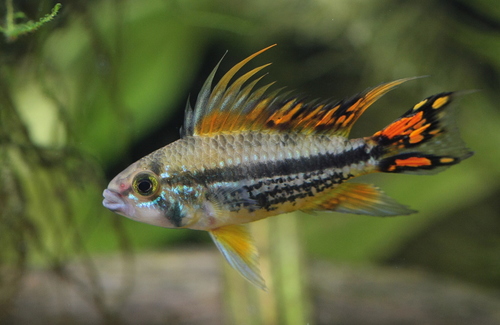
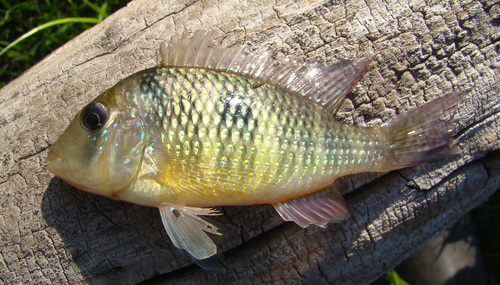
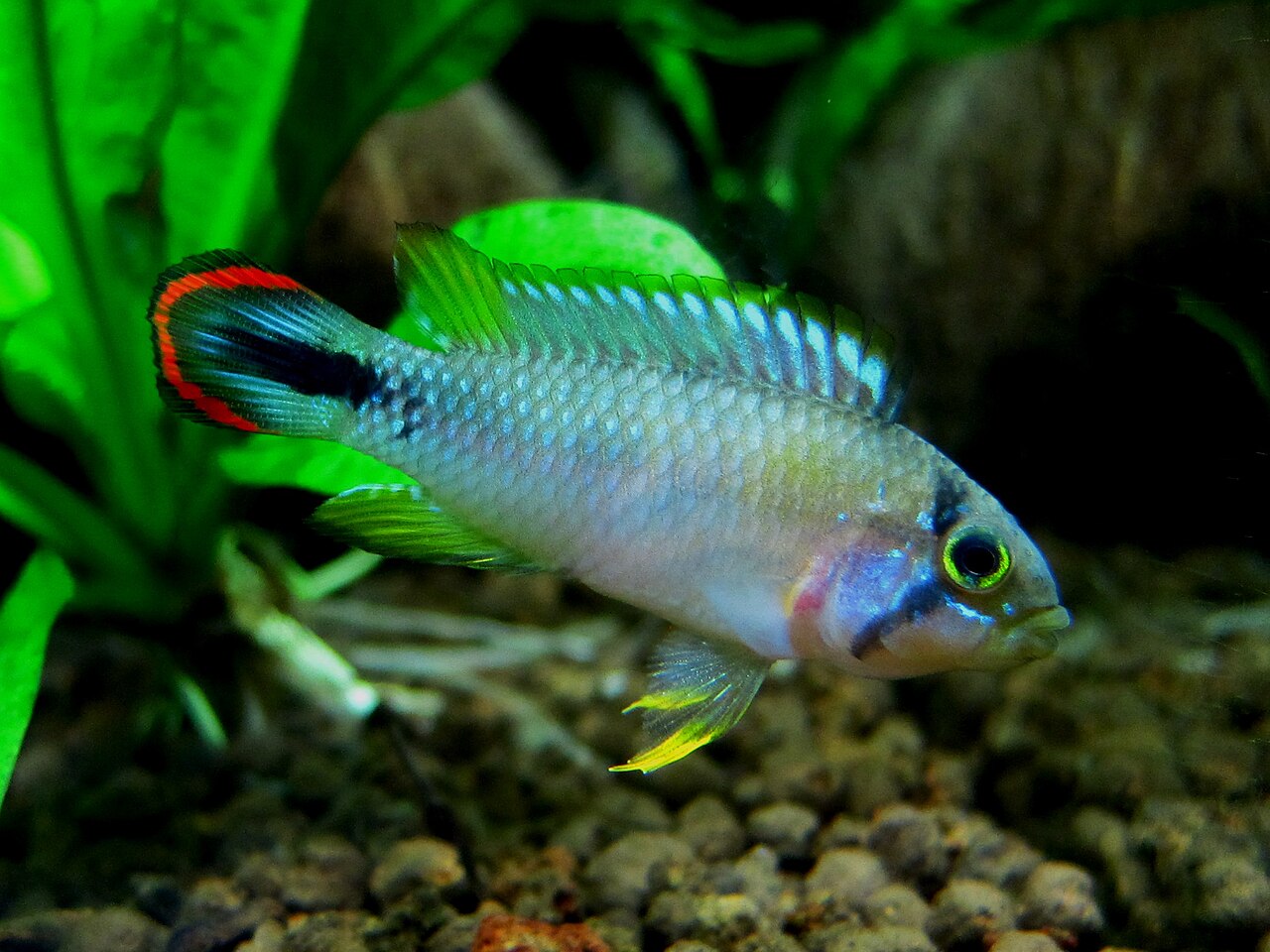
Apistograma panduro, commonly known as the Panduro cichlid, is a small and colorful freshwater fish that hails from the Amazon Basin in South America. This species is particularly admired for its striking coloration, with males displaying bright blue and yellow hues, while females are more subdued yet equally attractive. Their physical appearance is complemented by elongated fins and a compact body, making them a popular choice among aquarists looking to add vibrant life to their tanks.
In the wild, Apistograma panduro typically inhabits slow-moving waters, such as streams and small rivers, surrounded by dense vegetation. They thrive in soft, acidic waters which mimic their natural habitat. This fish is known for its territorial nature, especially during breeding season, where males will defend their nesting area vigorously. Socially, they are best kept in pairs or small groups, as they exhibit interesting behaviors that include courtship displays and intricate spawning rituals.
The behavior of Apistograma panduro is fascinating, as they tend to be more timid compared to other cichlids. They often prefer to hide among plants and rocks, which provides a sense of security. This species is also known for its engaging personality, showcasing playful interactions with tank mates and displaying unique swimming patterns. Their peaceful nature allows them to coexist harmoniously with similarly sized fish in a community tank.
Overall, Apistograma panduro not only adds vibrant color to any aquarium but also brings dynamic behavior that captivates enthusiasts and collectors alike. Their relatively small size and manageable care requirements make them an ideal choice for both novice and experienced aquarists looking to diversify their aquatic collections.
In the wild, Apistograma panduro typically inhabits slow-moving waters, such as streams and small rivers, surrounded by dense vegetation. They thrive in soft, acidic waters which mimic their natural habitat. This fish is known for its territorial nature, especially during breeding season, where males will defend their nesting area vigorously. Socially, they are best kept in pairs or small groups, as they exhibit interesting behaviors that include courtship displays and intricate spawning rituals.
The behavior of Apistograma panduro is fascinating, as they tend to be more timid compared to other cichlids. They often prefer to hide among plants and rocks, which provides a sense of security. This species is also known for its engaging personality, showcasing playful interactions with tank mates and displaying unique swimming patterns. Their peaceful nature allows them to coexist harmoniously with similarly sized fish in a community tank.
Overall, Apistograma panduro not only adds vibrant color to any aquarium but also brings dynamic behavior that captivates enthusiasts and collectors alike. Their relatively small size and manageable care requirements make them an ideal choice for both novice and experienced aquarists looking to diversify their aquatic collections.
When caring for Apistograma panduro, it is essential to maintain specific water parameters to ensure their health and well-being. The ideal temperature range for this species is between 24°C to 28°C, with a pH level of 6.0 to 7.5. They prefer soft, slightly acidic water, which can be achieved using a combination of peat filtration and regular water changes.
Feeding Apistograma panduro is straightforward, as they are omnivorous. A varied diet of high-quality flake food, pellets, and live or frozen foods such as brine shrimp and daphnia will ensure they receive the necessary nutrients. It is crucial to monitor their feeding habits to prevent overfeeding, which can lead to health problems.
For compatibility, Apistograma panduro can be housed with other peaceful fish of similar size. Avoid keeping them with aggressive or larger species that may bully them. During acclimation, introduce them gently to their new environment, allowing them to adjust to the water conditions gradually. Quarantine new arrivals for at least two weeks to prevent the introduction of diseases into your main tank.
Overall, with proper care and attention to their specific needs, Apistograma panduro can thrive in captivity, providing joy and beauty to aquatic displays.
Feeding Apistograma panduro is straightforward, as they are omnivorous. A varied diet of high-quality flake food, pellets, and live or frozen foods such as brine shrimp and daphnia will ensure they receive the necessary nutrients. It is crucial to monitor their feeding habits to prevent overfeeding, which can lead to health problems.
For compatibility, Apistograma panduro can be housed with other peaceful fish of similar size. Avoid keeping them with aggressive or larger species that may bully them. During acclimation, introduce them gently to their new environment, allowing them to adjust to the water conditions gradually. Quarantine new arrivals for at least two weeks to prevent the introduction of diseases into your main tank.
Overall, with proper care and attention to their specific needs, Apistograma panduro can thrive in captivity, providing joy and beauty to aquatic displays.
Apistograma panduro is suitable for shipping, provided that they are packed appropriately to minimize stress. A packing density of 1-2 fish per liter is recommended to ensure adequate space and water quality during transit. They are sensitive to temperature fluctuations, so maintaining a stable environment during transport is crucial. This species is not listed under CITES, making export regulations less stringent, but ensure compliance with local laws.
Species Parameters
Max Adult Size
8.0 cm
Origin
Amazon Basin
Diet
omnivore
Temp Min
24.0 °C
Temp Max
28.0 °C
pH Min
6.00
pH Max
7.50
Min Tank
100 L