The Glittering Eartheaters
Gymnogeny (Gymnogeophagus) Maldonado
Out of Stock
Scarce stock
Wild Caught
Moderate care
Not Reef Safe
SKU: 01-A-03-181-01
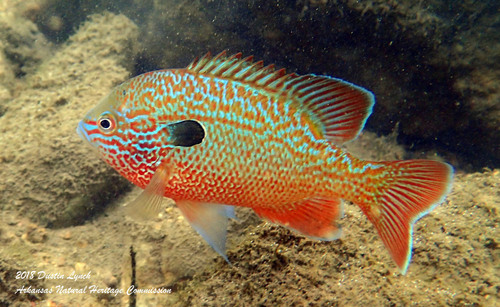
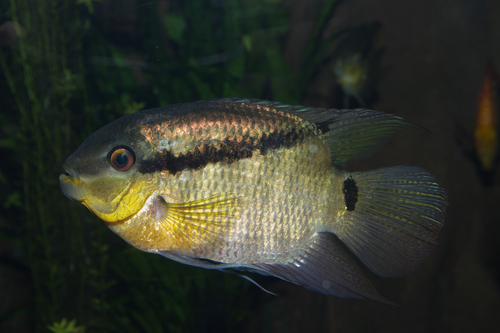
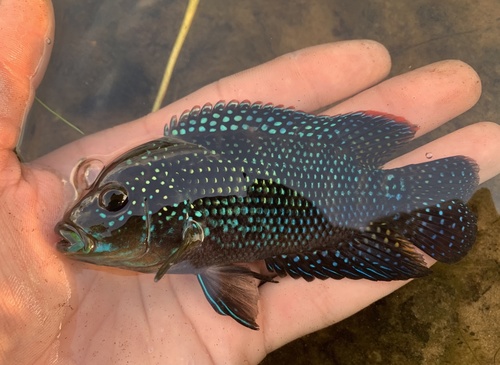
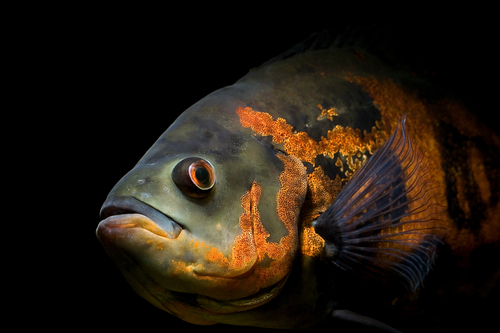
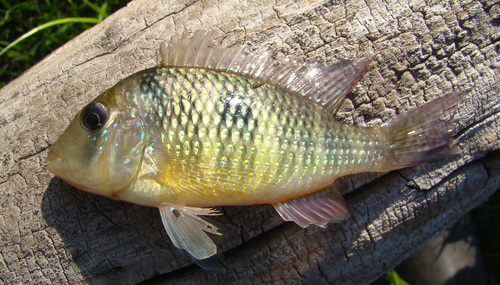
The Glittering Eartheaters are renowned for their stunning colors and unique behavior, making them a captivating addition to any freshwater aquarium.
Pricing for Verified Importers
Log in to see wholesale prices and order.
Export Size
up to 15.0 cm
Origin
South America
Temperature
24.0–28.0°C
Min. Tank Size
100 L
pH
6.00–7.50
Diet
omnivore
Gymnogeny (Gymnogeophagus) Maldonado, commonly known as the Glittering Eartheaters, are a distinct freshwater fish species native to the rivers and streams of South America, particularly in areas with rich sediment. They are named for their remarkable iridescent scales that shimmer beautifully under varying light conditions, creating a visual spectacle in home aquariums. These fish display a unique body shape, characterized by a flattened underside, which aids them in foraging through substrate for food. Adult specimens typically reach a maximum size of around 15 cm, making them suitable for a range of tank sizes.
In terms of behavior, Glittering Eartheaters are known for their social and inquisitive nature. They thrive in groups and display fascinating interactions, especially during feeding. Their natural diet consists primarily of small invertebrates, detritus, and plant matter, which they expertly sift from the substrate. This feeding behavior not only showcases their unique adaptation but also contributes to the ecological balance in their native habitats. In aquariums, they can be seen actively foraging and displaying their vibrant colors, especially during breeding periods.
The preferred habitat of Glittering Eartheaters includes slow-moving waters with sandy or fine substrate, often adorned with vegetation and driftwood. They are typically found in the wild in water with moderate current and plenty of hiding spots, which provide security from potential predators. Replicating these conditions in captivity is crucial for their well-being. Providing a well-structured aquarium with adequate hiding places and open swimming areas will encourage natural behaviors and reduce stress.
Overall, the Glittering Eartheaters are not only visually stunning but also bring a dynamic presence to freshwater tanks. Their unique behaviors and social structures make them a fascinating species for both novice and experienced aquarists alike.
In terms of behavior, Glittering Eartheaters are known for their social and inquisitive nature. They thrive in groups and display fascinating interactions, especially during feeding. Their natural diet consists primarily of small invertebrates, detritus, and plant matter, which they expertly sift from the substrate. This feeding behavior not only showcases their unique adaptation but also contributes to the ecological balance in their native habitats. In aquariums, they can be seen actively foraging and displaying their vibrant colors, especially during breeding periods.
The preferred habitat of Glittering Eartheaters includes slow-moving waters with sandy or fine substrate, often adorned with vegetation and driftwood. They are typically found in the wild in water with moderate current and plenty of hiding spots, which provide security from potential predators. Replicating these conditions in captivity is crucial for their well-being. Providing a well-structured aquarium with adequate hiding places and open swimming areas will encourage natural behaviors and reduce stress.
Overall, the Glittering Eartheaters are not only visually stunning but also bring a dynamic presence to freshwater tanks. Their unique behaviors and social structures make them a fascinating species for both novice and experienced aquarists alike.
To successfully care for Glittering Eartheaters, it is essential to maintain stable water parameters. Ideal temperatures range from 24°C to 28°C, with a pH level between 6.0 and 7.5. While they are adaptable, sudden changes in water conditions can lead to stress and health issues. A minimum tank size of 100 liters is recommended to provide adequate space for swimming and foraging.
Feeding should consist of a varied diet, including high-quality pellets, frozen or live food such as daphnia and brine shrimp, and blanched vegetables. This diverse diet helps mimic their natural feeding habits and ensures their health and coloration. Compatibility-wise, they are generally peaceful but may exhibit territorial behavior during breeding. It is advisable to house them with similarly sized, non-aggressive species.
Acclimation should be gradual to minimize stress; floating the bag in the tank for 20-30 minutes and slowly mixing tank water into the bag is recommended. Quarantine new arrivals for at least two weeks to monitor for diseases before introducing them to the main tank. Regular water changes and maintaining good filtration will help keep them healthy and vibrant.
Feeding should consist of a varied diet, including high-quality pellets, frozen or live food such as daphnia and brine shrimp, and blanched vegetables. This diverse diet helps mimic their natural feeding habits and ensures their health and coloration. Compatibility-wise, they are generally peaceful but may exhibit territorial behavior during breeding. It is advisable to house them with similarly sized, non-aggressive species.
Acclimation should be gradual to minimize stress; floating the bag in the tank for 20-30 minutes and slowly mixing tank water into the bag is recommended. Quarantine new arrivals for at least two weeks to monitor for diseases before introducing them to the main tank. Regular water changes and maintaining good filtration will help keep them healthy and vibrant.
The Glittering Eartheaters are suitable for air shipping, provided they are packed in secure, breathable bags with sufficient water. The recommended packing density is 1-2 fish per liter, ensuring they have adequate space. Temperature should be maintained between 24°C to 28°C during transit, as they are sensitive to extreme temperature fluctuations. There are no CITES restrictions on this species, allowing for straightforward export processes.
Species Parameters
Max Adult Size
15.0 cm
Origin
South America
Diet
omnivore
Temp Min
24.0 °C
Temp Max
28.0 °C
pH Min
6.00
pH Max
7.50
Min Tank
100 L