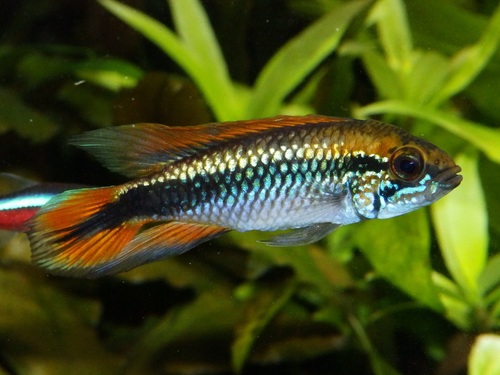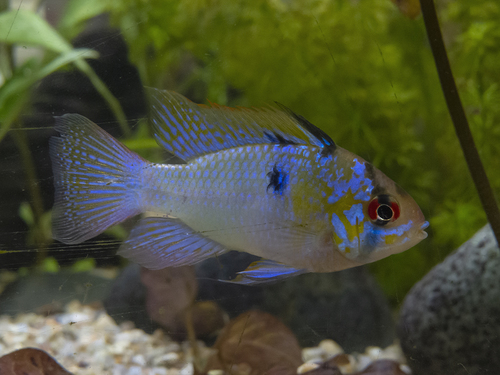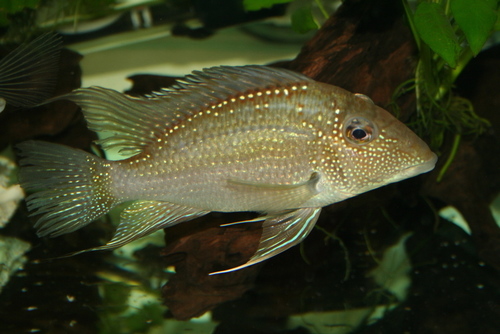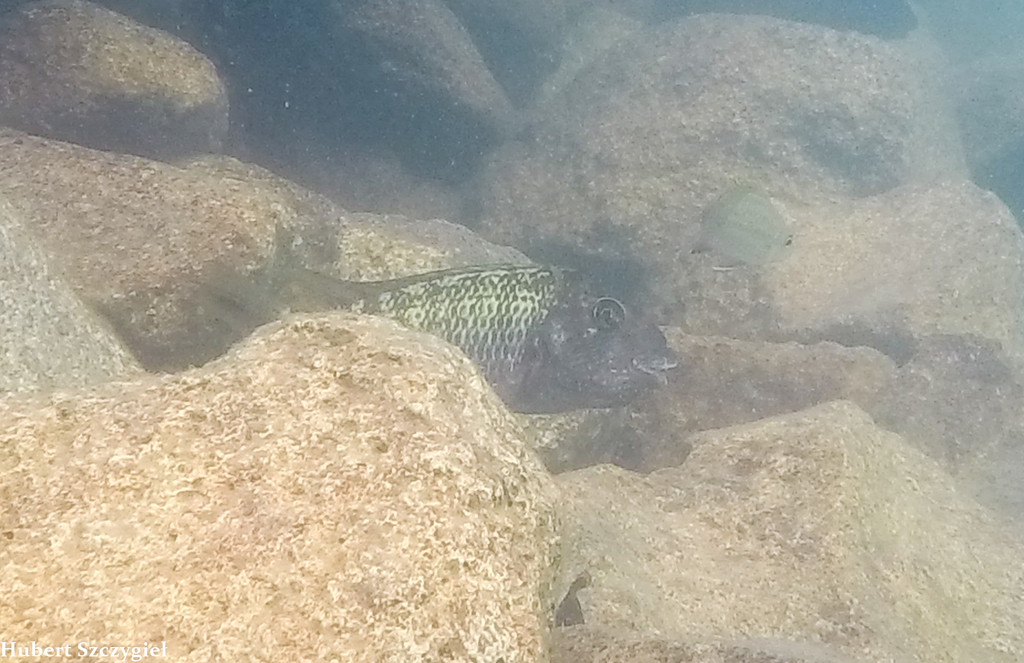
Electric Blue Acara (Neon Blue)
Aequindens pulcher sp.
In Stock
Common stock
Wild Caught
Moderate care
Not Reef Safe
SKU: 01-A-03-001-01
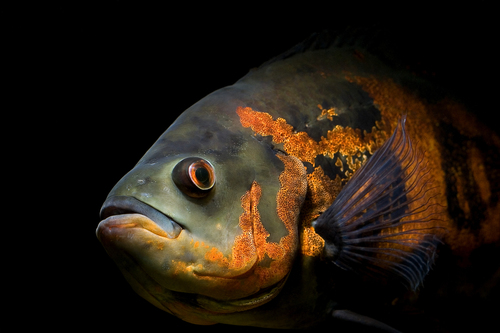
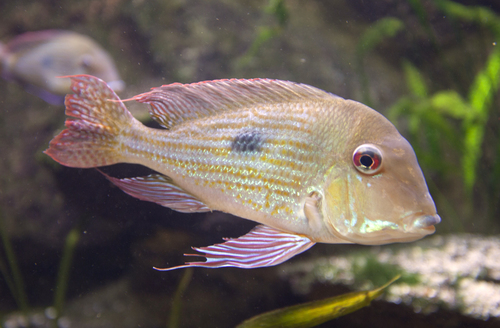
The Electric Blue Acara is a stunning freshwater fish known for its vibrant coloration and peaceful nature.
Pricing for Verified Importers
Log in to see wholesale prices and order.
Export Size
up to 15.0 cm
Origin
Central America
Temperature
24.0–28.0°C
Min. Tank Size
100 L
pH
6.50–8.00
Diet
omnivore
The Electric Blue Acara (Aequidens pulcher) is a captivating freshwater fish native to the waters of Central America, particularly found in countries such as Nicaragua and Honduras. This species is known for its striking electric blue coloration, which is most pronounced in males during breeding. The body is oval and somewhat flattened, adorned with a shimmering blue hue that can vary in intensity based on environmental factors and mood. These fish also exhibit a unique feature in their dorsal and anal fins, which are often edged with a darker hue, enhancing their visual appeal.
In terms of behavior, Electric Blue Acaras are relatively peaceful and can be kept in community tanks with other compatible species. They are semi-aggressive during breeding periods, making it essential to provide adequate space and hiding spots for other tank inhabitants. Typically, they exhibit curious and interactive behavior, often engaging with their environment and displaying social characteristics. Their adaptability to various water conditions also contributes to their popularity among aquarists.
Electric Blue Acaras thrive in habitats characterized by slow-moving waters, dense vegetation, and ample hiding places. In the wild, they are often found in lakes, rivers, and ponds where they can establish territories. Their natural diet consists of small invertebrates and plant material, making them omnivorous by nature. This adaptability is reflected in their care requirements, making them suitable for both novice and experienced aquarists alike.
Overall, the Electric Blue Acara is not only visually striking but also adds a dynamic presence to any aquarium setup. Their vibrant coloration and engaging behavior make them a sought-after species among aquarium enthusiasts and a valuable addition to any aquatic collection.
In terms of behavior, Electric Blue Acaras are relatively peaceful and can be kept in community tanks with other compatible species. They are semi-aggressive during breeding periods, making it essential to provide adequate space and hiding spots for other tank inhabitants. Typically, they exhibit curious and interactive behavior, often engaging with their environment and displaying social characteristics. Their adaptability to various water conditions also contributes to their popularity among aquarists.
Electric Blue Acaras thrive in habitats characterized by slow-moving waters, dense vegetation, and ample hiding places. In the wild, they are often found in lakes, rivers, and ponds where they can establish territories. Their natural diet consists of small invertebrates and plant material, making them omnivorous by nature. This adaptability is reflected in their care requirements, making them suitable for both novice and experienced aquarists alike.
Overall, the Electric Blue Acara is not only visually striking but also adds a dynamic presence to any aquarium setup. Their vibrant coloration and engaging behavior make them a sought-after species among aquarium enthusiasts and a valuable addition to any aquatic collection.
To ensure the well-being of Electric Blue Acaras, maintaining optimal water parameters is crucial. They prefer a temperature range of 24-28°C (75-82°F), with a pH level between 6.5 and 8.0. The tank should be spacious, with a minimum size of 100 liters to accommodate their territorial nature and provide ample swimming space. Filtration should be efficient to keep water clean, and regular water changes are recommended to maintain water quality.
Feeding Electric Blue Acaras is straightforward; they are omnivores and thrive on a varied diet including high-quality pellets, flakes, and occasional treats of frozen or live foods such as bloodworms and brine shrimp. It's essential to feed them multiple small meals throughout the day to mimic their natural feeding habits. Compatibility is also key; they can coexist with similarly sized and temperament fishes, but care should be taken during breeding periods as they can become territorial.
When introducing new Acaras to an established tank, a gradual acclimation process is recommended. Float the sealed bag containing the fish in the aquarium for about 15-20 minutes to equalize temperatures before releasing them. Quarantine new arrivals for at least two weeks to prevent the introduction of diseases into the main tank. Monitoring their behavior during this period helps ensure a smooth transition and reduces stress.
Feeding Electric Blue Acaras is straightforward; they are omnivores and thrive on a varied diet including high-quality pellets, flakes, and occasional treats of frozen or live foods such as bloodworms and brine shrimp. It's essential to feed them multiple small meals throughout the day to mimic their natural feeding habits. Compatibility is also key; they can coexist with similarly sized and temperament fishes, but care should be taken during breeding periods as they can become territorial.
When introducing new Acaras to an established tank, a gradual acclimation process is recommended. Float the sealed bag containing the fish in the aquarium for about 15-20 minutes to equalize temperatures before releasing them. Quarantine new arrivals for at least two weeks to prevent the introduction of diseases into the main tank. Monitoring their behavior during this period helps ensure a smooth transition and reduces stress.
Electric Blue Acaras are suitable for shipping, provided that they are packed carefully with appropriate water conditions. A packing density of 1 fish per liter is recommended to minimize stress during transport. They are moderately temperature-sensitive, thus maintaining a stable temperature between 24-28°C during shipping is essential. As a freshwater species, they are not listed under CITES, simplifying export procedures.
Species Parameters
Max Adult Size
15.0 cm
Origin
Central America
Diet
omnivore
Temp Min
24.0 °C
Temp Max
28.0 °C
pH Min
6.50
pH Max
8.00
Min Tank
100 L