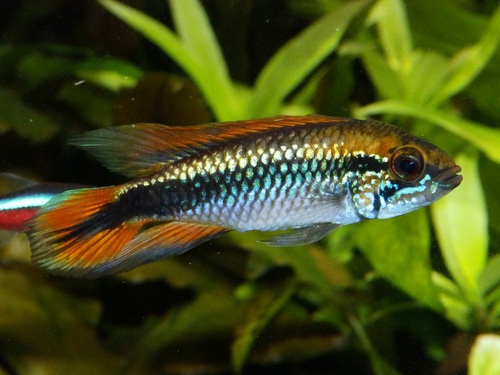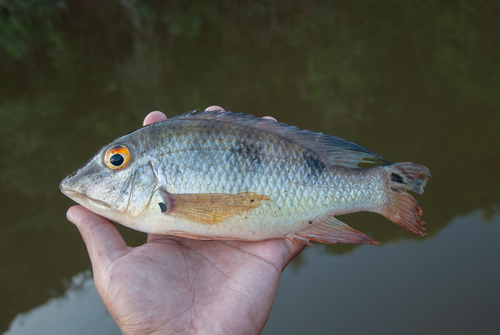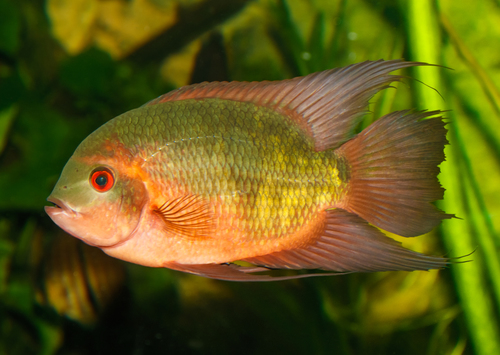
Emerald Cichlid
Hypselecara temporalis
In Stock
Common stock
Wild Caught
Moderate care
Not Reef Safe
SKU: 01-A-03-352-01
The Emerald Cichlid captivates with its vibrant colors and unique behaviors.
Pricing for Verified Importers
Log in to see wholesale prices and order.
Export Size
up to 15.0 cm
Origin
Southeast Asia
Temperature
24.0–28.0°C
Min. Tank Size
150 L
pH
6.50–7.50
Diet
omnivore
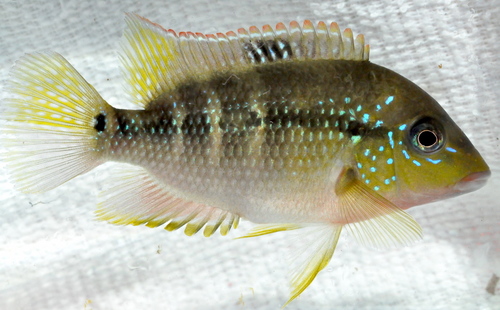
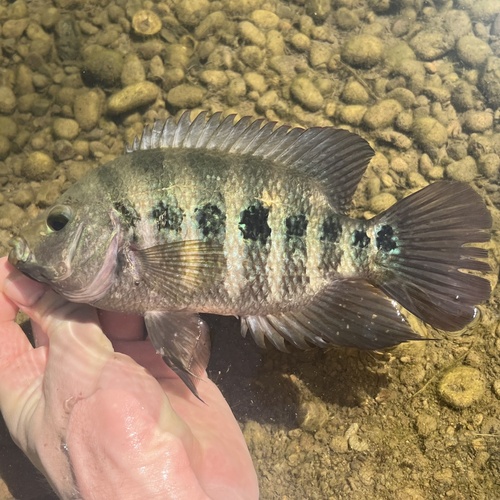
The Emerald Cichlid (Hypselecara temporalis) is a stunning freshwater species native to the rivers and lakes of Southeast Asia, particularly in Indonesia. This species is renowned for its striking emerald green coloration, which can vary in intensity based on environmental factors and mood. Adults typically exhibit a distinctive pattern of shimmering scales that reflect light beautifully, making them a prized addition to any aquarium. Their elongated bodies and large fins further enhance their aesthetic appeal, allowing them to stand out in both home aquariums and professional displays.
In terms of behavior, Emerald Cichlids are known for their inquisitive and semi-aggressive nature, especially during breeding periods. They are social fish that thrive in groups, though care should be taken to avoid overly aggressive tank mates. In the wild, they inhabit slow-moving waters with plenty of vegetation, which provides both shelter and foraging opportunities. Their natural habitat consists of sandy substrates where they can sift through the sediment in search of food, showcasing their unique feeding habits.
Emerald Cichlids are also noted for their parental care, as they exhibit strong protective instincts towards their young. This behavior makes them fascinating to observe, especially during breeding cycles. Males can become territorial, particularly when guarding their spawning sites, which adds an interesting dynamic to their social interactions. Overall, their captivating appearance and intriguing behaviors make them a popular choice among aquarists.
When kept in an aquarium setting, it is essential to replicate their natural environment as closely as possible, including providing ample hiding spots and appropriate substrate. This will not only enhance their well-being but also encourage natural behaviors that are delightful to observe.
In terms of behavior, Emerald Cichlids are known for their inquisitive and semi-aggressive nature, especially during breeding periods. They are social fish that thrive in groups, though care should be taken to avoid overly aggressive tank mates. In the wild, they inhabit slow-moving waters with plenty of vegetation, which provides both shelter and foraging opportunities. Their natural habitat consists of sandy substrates where they can sift through the sediment in search of food, showcasing their unique feeding habits.
Emerald Cichlids are also noted for their parental care, as they exhibit strong protective instincts towards their young. This behavior makes them fascinating to observe, especially during breeding cycles. Males can become territorial, particularly when guarding their spawning sites, which adds an interesting dynamic to their social interactions. Overall, their captivating appearance and intriguing behaviors make them a popular choice among aquarists.
When kept in an aquarium setting, it is essential to replicate their natural environment as closely as possible, including providing ample hiding spots and appropriate substrate. This will not only enhance their well-being but also encourage natural behaviors that are delightful to observe.
To successfully care for Emerald Cichlids, it is crucial to maintain optimal water parameters. They prefer a temperature range of 24-28°C with a pH level between 6.5 and 7.5. Regular water changes and a good filtration system will help maintain water quality, as they can be sensitive to poor conditions. It is recommended to provide a minimum tank size of 150 liters to accommodate their territorial nature and swimming needs.
In terms of diet, Emerald Cichlids are omnivores and thrive on a balanced diet consisting of high-quality pellets, frozen or live foods, and vegetable matter. Regular feeding should be adjusted according to their activity level and tank conditions. Compatibility with other species is important; they do best with similarly sized fish that are not overly aggressive. Avoid keeping them with very small or timid species that may be bullied.
Acclimation is vital when introducing Emerald Cichlids to a new environment. Gradual acclimatization to the new water parameters will help reduce stress. Quarantine new arrivals for at least two weeks to prevent the spread of diseases and ensure they are healthy before introducing them to the main tank. Regular monitoring for signs of stress or illness will contribute to a thriving aquarium community.
In terms of diet, Emerald Cichlids are omnivores and thrive on a balanced diet consisting of high-quality pellets, frozen or live foods, and vegetable matter. Regular feeding should be adjusted according to their activity level and tank conditions. Compatibility with other species is important; they do best with similarly sized fish that are not overly aggressive. Avoid keeping them with very small or timid species that may be bullied.
Acclimation is vital when introducing Emerald Cichlids to a new environment. Gradual acclimatization to the new water parameters will help reduce stress. Quarantine new arrivals for at least two weeks to prevent the spread of diseases and ensure they are healthy before introducing them to the main tank. Regular monitoring for signs of stress or illness will contribute to a thriving aquarium community.
Emerald Cichlids are suitable for shipping, but care must be taken to ensure proper packing density to prevent stress. It is advisable to ship them in well-oxygenated bags with sufficient water to accommodate their size. Ideal shipping temperatures should be maintained between 24-26°C to minimize stress during transit. CITES status for this species is currently not listed, making them easier to export.
Species Parameters
Max Adult Size
15.0 cm
Origin
Southeast Asia
Diet
omnivore
Temp Min
24.0 °C
Temp Max
28.0 °C
pH Min
6.50
pH Max
7.50
Min Tank
150 L