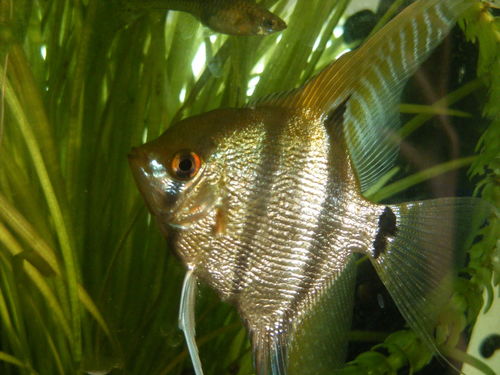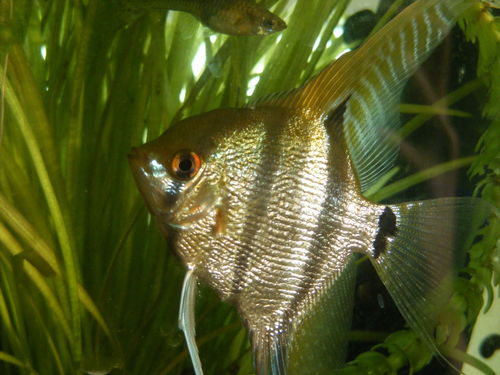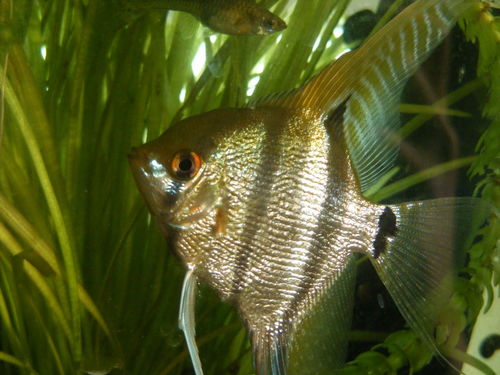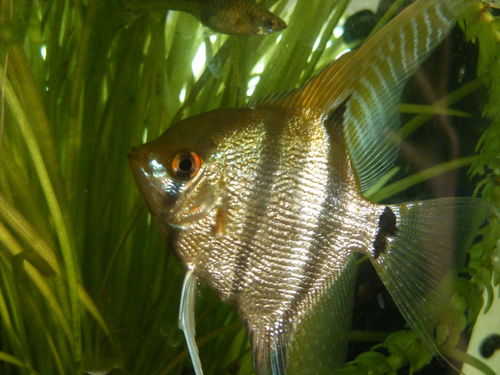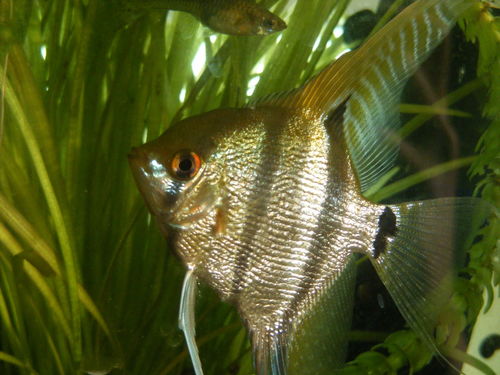
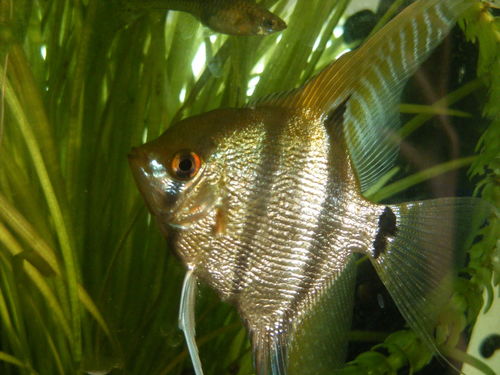
Platinum Paraiba Angel
Pterophyllum scalare
Out of Stock
Scarce stock
Wild Caught
Moderate care
Not Reef Safe
SKU: 01-A-06-046-02
The Platinum Paraiba Angel is a striking freshwater fish renowned for its shimmering silver hue and graceful fins.
Pricing for Verified Importers
Log in to see wholesale prices and order.
Export Size
up to 15.0 cm
Origin
Amazon Basin
Temperature
26.0–30.0°C
Min. Tank Size
100 L
pH
6.00–7.00
Diet
omnivore
Pterophyllum scalare, commonly known as the angelfish, is a captivating freshwater species originating from the Amazon Basin, particularly thriving in regions like Peru, Colombia, and Brazil. The Platinum Paraiba variant is particularly sought after for its stunning metallic sheen, which sets it apart from its more traditionally colored relatives. These fish exhibit a unique combination of elegance and beauty, making them a popular choice for both novice and experienced aquarists.
In their natural habitat, angelfish inhabit slow-moving waters, swamps, and flooded grounds, where dense vegetation provides ample cover. They are typically found in waters with a neutral to slightly acidic pH, ranging from 6.0 to 7.0, and prefer temperatures between 26°C and 30°C. Their adaptability to different water conditions contributes to their prevalence in the aquarium trade. With their long, flowing fins and triangular body shape, the Platinum Paraiba Angel is not only visually stunning but also showcases the rich biodiversity of the Amazon.
Behaviorally, angelfish are known for their social nature, often engaging in shoaling behaviors. While they are generally peaceful, they can exhibit territorial tendencies, especially during breeding seasons. They communicate through subtle body movements and postures, displaying various colors depending on their mood and environment. This makes them an intriguing species to observe, as their personalities can shine through in a well-maintained aquarium setting.
Overall, the Platinum Paraiba Angel is a remarkable addition to any freshwater aquarium, offering both beauty and lively interactions. Their care requirements are manageable, making them suitable for a wide range of aquarists. With proper attention to their environment and diet, these fish can thrive and bring a touch of the Amazon's allure into aquatic displays around the world.
In their natural habitat, angelfish inhabit slow-moving waters, swamps, and flooded grounds, where dense vegetation provides ample cover. They are typically found in waters with a neutral to slightly acidic pH, ranging from 6.0 to 7.0, and prefer temperatures between 26°C and 30°C. Their adaptability to different water conditions contributes to their prevalence in the aquarium trade. With their long, flowing fins and triangular body shape, the Platinum Paraiba Angel is not only visually stunning but also showcases the rich biodiversity of the Amazon.
Behaviorally, angelfish are known for their social nature, often engaging in shoaling behaviors. While they are generally peaceful, they can exhibit territorial tendencies, especially during breeding seasons. They communicate through subtle body movements and postures, displaying various colors depending on their mood and environment. This makes them an intriguing species to observe, as their personalities can shine through in a well-maintained aquarium setting.
Overall, the Platinum Paraiba Angel is a remarkable addition to any freshwater aquarium, offering both beauty and lively interactions. Their care requirements are manageable, making them suitable for a wide range of aquarists. With proper attention to their environment and diet, these fish can thrive and bring a touch of the Amazon's allure into aquatic displays around the world.
To successfully care for the Platinum Paraiba Angel, it's crucial to maintain optimal water parameters. The ideal temperature range is between 26°C and 30°C, with a pH of 6.0 to 7.0. Hardness should be kept between 3 to 10 °dH to mimic their natural habitat. Regular water changes and monitoring of these parameters will help ensure a healthy environment.
Feeding should consist of a varied diet, including high-quality flake food, pellets, and occasional live or frozen foods like brine shrimp and bloodworms to promote their health and vibrant coloration. When introducing new fish, take care to monitor compatibility; while angelfish are generally peaceful, they may show aggression towards smaller fish or during breeding periods.
Acclimation is essential, so gradually introduce new arrivals to their tank environment over a period of several hours to reduce stress. Quarantine new fish for at least two weeks before adding them to your main display to prevent the spread of diseases. Providing ample hiding spots and swimming space will contribute to their well-being and reduce territorial disputes.
Overall, with proper care and attention to their specific needs, the Platinum Paraiba Angel can thrive in a well-maintained aquarium, offering beauty and charm to aquatic enthusiasts.
Feeding should consist of a varied diet, including high-quality flake food, pellets, and occasional live or frozen foods like brine shrimp and bloodworms to promote their health and vibrant coloration. When introducing new fish, take care to monitor compatibility; while angelfish are generally peaceful, they may show aggression towards smaller fish or during breeding periods.
Acclimation is essential, so gradually introduce new arrivals to their tank environment over a period of several hours to reduce stress. Quarantine new fish for at least two weeks before adding them to your main display to prevent the spread of diseases. Providing ample hiding spots and swimming space will contribute to their well-being and reduce territorial disputes.
Overall, with proper care and attention to their specific needs, the Platinum Paraiba Angel can thrive in a well-maintained aquarium, offering beauty and charm to aquatic enthusiasts.
The Platinum Paraiba Angel is suitable for shipping, provided that appropriate care is taken during transit. Packing density should allow for adequate oxygen exchange, and they should be shipped in well-insulated bags to maintain temperature stability. Sensitivity to temperature fluctuations necessitates monitoring during transit. This species is not listed under CITES, making it easier for export.
Species Parameters
Max Adult Size
15.0 cm
Origin
Amazon Basin
Diet
omnivore
Temp Min
26.0 °C
Temp Max
30.0 °C
pH Min
6.00
pH Max
7.00
Min Tank
100 L