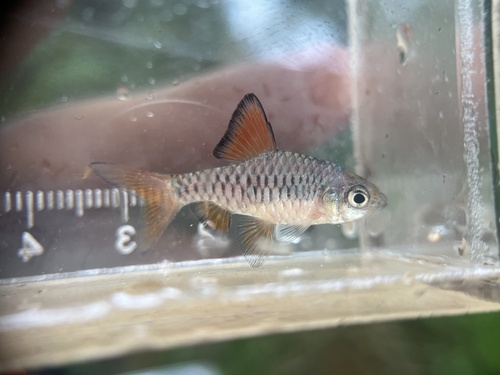
Checkered Barb
Capoeta oligolepis
In Stock
Common stock
Wild Caught
Moderate care
Not Reef Safe
SKU: 01-A-17-008-04
The Checkered Barb is a vibrant freshwater fish known for its striking patterns and lively behavior.
Pricing for Verified Importers
Log in to see wholesale prices and order.
Export Size
up to 8.0 cm
Origin
Southeast Asia
Temperature
22.0–26.0°C
Min. Tank Size
100 L
pH
6.50–7.50
Diet
omnivore
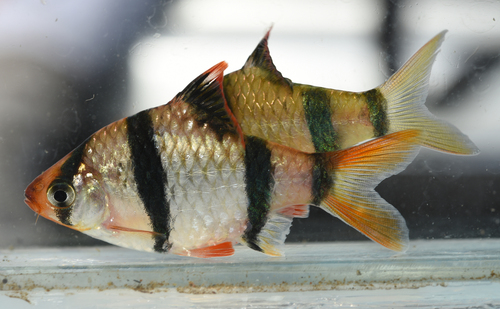
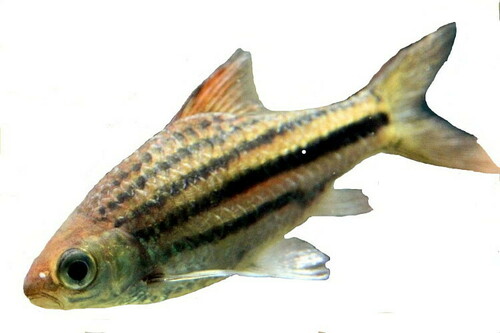
The Checkered Barb (Capoeta oligolepis) is a captivating freshwater fish native to Southeast Asia, particularly found in the clear waters of rivers and streams in Indonesia. This species is characterized by its distinctive checkered pattern, which consists of alternating dark and light scales that create a mesmerizing mosaic effect. Adult Checkered Barbs typically reach a maximum length of 8 cm, making them an ideal choice for smaller aquaria or community tanks.
Behaviorally, Checkered Barbs are social and active fish, often seen schooling together in groups. They thrive in well-planted environments where they can explore and interact, making them a delightful addition to any aquarium. Their peaceful nature allows them to coexist with a variety of tank mates, including other small to medium-sized fish. Checkered Barbs are also known for their playful antics, which can provide endless entertainment for aquarium enthusiasts.
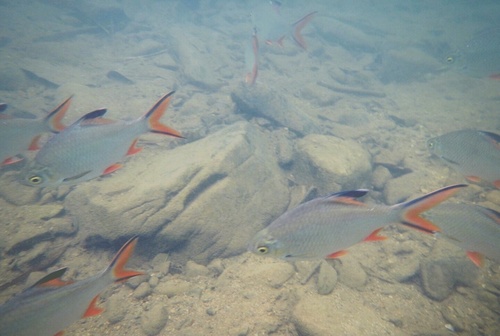
In their natural habitat, Checkered Barbs inhabit slow-moving waters with ample vegetation and hiding spots. This environment not only provides safety from predators but also supplies food sources such as algae and small invertebrates. The presence of aquatic plants is crucial, as these fish enjoy foraging among the foliage. As a result, replicating these conditions in captivity is essential to ensure their health and vitality.
In terms of coloration, males are typically more vibrant than females, showcasing brighter hues and more pronounced patterns during breeding season. This visual display is part of their courtship rituals, adding an extra layer of interest for aquarists looking to breed them in a controlled environment.
Behaviorally, Checkered Barbs are social and active fish, often seen schooling together in groups. They thrive in well-planted environments where they can explore and interact, making them a delightful addition to any aquarium. Their peaceful nature allows them to coexist with a variety of tank mates, including other small to medium-sized fish. Checkered Barbs are also known for their playful antics, which can provide endless entertainment for aquarium enthusiasts.
In their natural habitat, Checkered Barbs inhabit slow-moving waters with ample vegetation and hiding spots. This environment not only provides safety from predators but also supplies food sources such as algae and small invertebrates. The presence of aquatic plants is crucial, as these fish enjoy foraging among the foliage. As a result, replicating these conditions in captivity is essential to ensure their health and vitality.
In terms of coloration, males are typically more vibrant than females, showcasing brighter hues and more pronounced patterns during breeding season. This visual display is part of their courtship rituals, adding an extra layer of interest for aquarists looking to breed them in a controlled environment.
To maintain Checkered Barbs successfully, it is essential to provide them with optimal water parameters. They prefer a temperature range of 22-26°C and a pH level between 6.5 and 7.5. A well-filtered aquarium with a minimum size of 100 liters is recommended to accommodate their active nature and schooling behavior. Ensure the tank is densely planted with open swimming areas to mimic their natural habitat.
Feeding Checkered Barbs is straightforward, as they are omnivorous and will accept a variety of foods. A diet consisting of high-quality flake or pellet food, supplemented with live or frozen foods like brine shrimp and daphnia, will keep them healthy and vibrant. It’s important to avoid overfeeding, which can lead to water quality issues.
Compatibility is one of the strengths of the Checkered Barb. They can be housed with other peaceful species, such as tetras, rasboras, and small catfish. However, avoid keeping them with aggressive or overly large fish that may intimidate or harm them. Acclimation should be done gradually, allowing the Checkered Barbs to adjust to the new environment slowly to minimize stress.
Quarantine is recommended for new arrivals to prevent the introduction of diseases into established tanks. A minimum quarantine period of 2 weeks will allow for observation and treatment if necessary. Regular water changes and monitoring of water quality are also essential for their long-term health.
Feeding Checkered Barbs is straightforward, as they are omnivorous and will accept a variety of foods. A diet consisting of high-quality flake or pellet food, supplemented with live or frozen foods like brine shrimp and daphnia, will keep them healthy and vibrant. It’s important to avoid overfeeding, which can lead to water quality issues.
Compatibility is one of the strengths of the Checkered Barb. They can be housed with other peaceful species, such as tetras, rasboras, and small catfish. However, avoid keeping them with aggressive or overly large fish that may intimidate or harm them. Acclimation should be done gradually, allowing the Checkered Barbs to adjust to the new environment slowly to minimize stress.
Quarantine is recommended for new arrivals to prevent the introduction of diseases into established tanks. A minimum quarantine period of 2 weeks will allow for observation and treatment if necessary. Regular water changes and monitoring of water quality are also essential for their long-term health.
Checkered Barbs are suitable for shipping due to their hardiness. They should be packed in well-oxygenated bags with minimal water to reduce stress during transport. Ideal shipping temperatures range from 22-26°C. Ensure that the shipping duration does not exceed 48 hours to maintain optimal health. This species is not listed under CITES, facilitating easier export.
Species Parameters
Max Adult Size
8.0 cm
Origin
Southeast Asia
Diet
omnivore
Temp Min
22.0 °C
Temp Max
26.0 °C
pH Min
6.50
pH Max
7.50
Min Tank
100 L