Striped Flying Barb
Esomus metallicus
Out of Stock
Scarce stock
Wild Caught
Moderate care
Not Reef Safe
SKU: 01-A-17-064-09
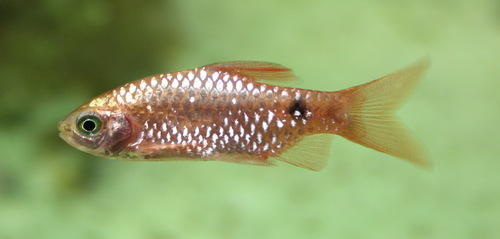
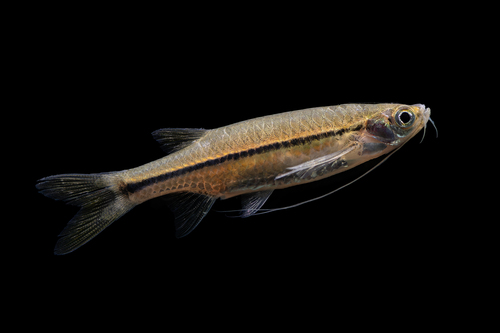
The Striped Flying Barb is a stunning freshwater fish known for its vibrant colors and unique swimming style.
Pricing for Verified Importers
Log in to see wholesale prices and order.
Export Size
up to 10.0 cm
Origin
Southeast Asia
Temperature
24.0–28.0°C
Min. Tank Size
100 L
pH
6.50–8.00
Diet
omnivore
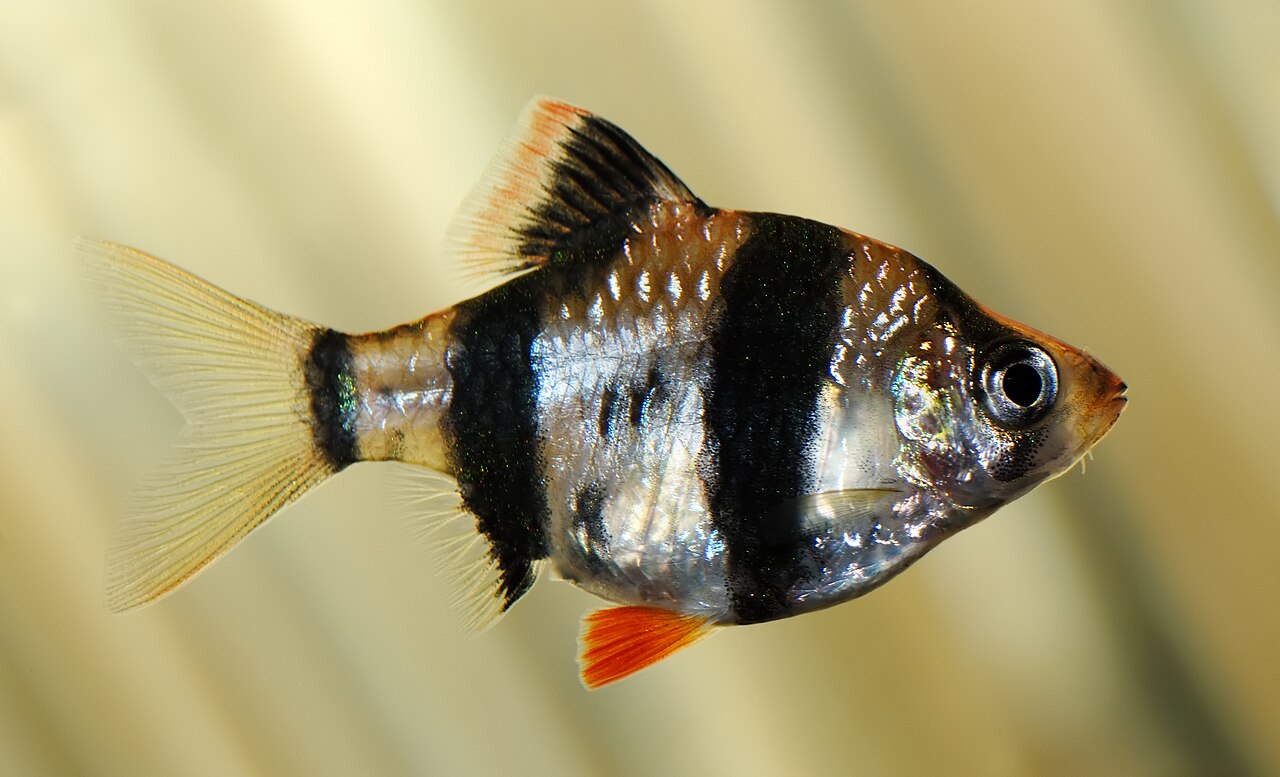
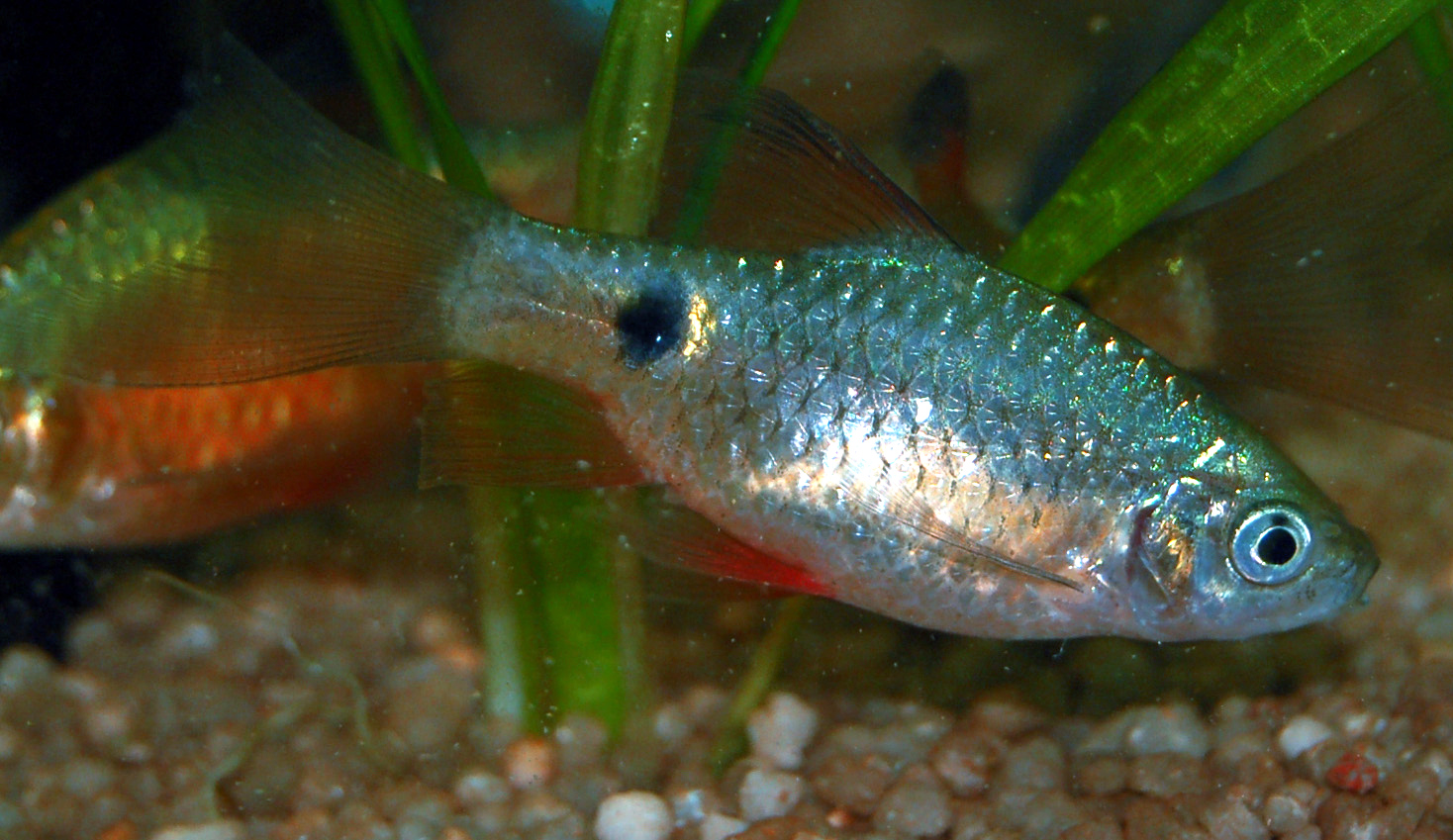
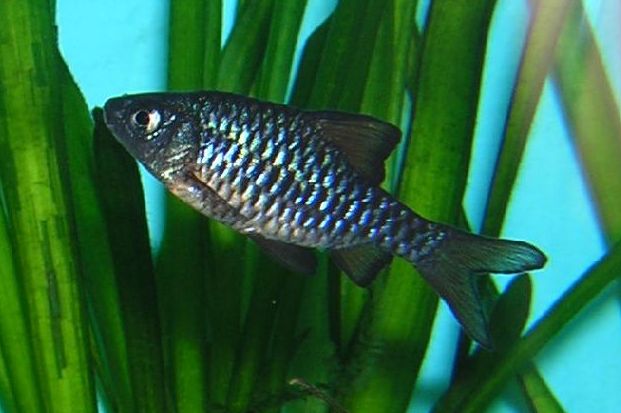
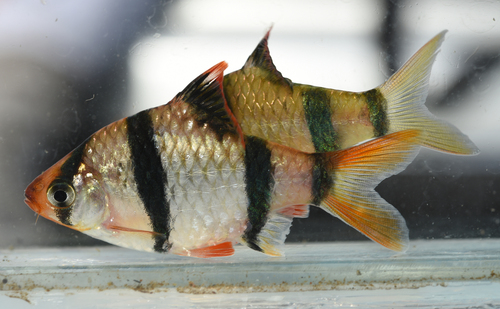
The Striped Flying Barb (Esomus metallicus) is a captivating freshwater fish native to Southeast Asia, particularly found in the rivers and streams of Indonesia. This species is easily recognizable due to its striking appearance, featuring a silvery body adorned with distinct dark stripes running from head to tail. These stripes not only enhance its visual appeal but also contribute to its name, as they create a striking contrast against its shimmering scales. The Striped Flying Barb is a member of the Cyprinidae family and is known for its agile swimming abilities and playful demeanor.
In the wild, Striped Flying Barbs are typically found in shallow waters with dense vegetation, where they thrive in schools. They prefer environments with ample cover, which provides safety from predators while allowing them to exhibit their natural schooling behavior. These fish are diurnal, spending their days foraging for food and exploring their surroundings. Their active nature makes them a delightful addition to community aquariums, as they are known to interact with other species and create a lively atmosphere.
Behaviorally, Striped Flying Barbs are peaceful and sociable, making them ideal for community tanks. They exhibit a unique swimming style, often darting around the tank, which can be a source of entertainment for aquarists. These fish are also known for their jumping ability, so a secure tank lid is recommended to prevent escapes. Their diet consists of a variety of foods, including small insects, plant matter, and high-quality flakes or pellets, which contribute to their vibrant coloration and overall health.
Overall, the Striped Flying Barb is not only visually appealing but also a hardy and engaging species that can adapt well to various freshwater environments, making them an excellent choice for both novice and experienced aquarists alike.
In the wild, Striped Flying Barbs are typically found in shallow waters with dense vegetation, where they thrive in schools. They prefer environments with ample cover, which provides safety from predators while allowing them to exhibit their natural schooling behavior. These fish are diurnal, spending their days foraging for food and exploring their surroundings. Their active nature makes them a delightful addition to community aquariums, as they are known to interact with other species and create a lively atmosphere.
Behaviorally, Striped Flying Barbs are peaceful and sociable, making them ideal for community tanks. They exhibit a unique swimming style, often darting around the tank, which can be a source of entertainment for aquarists. These fish are also known for their jumping ability, so a secure tank lid is recommended to prevent escapes. Their diet consists of a variety of foods, including small insects, plant matter, and high-quality flakes or pellets, which contribute to their vibrant coloration and overall health.
Overall, the Striped Flying Barb is not only visually appealing but also a hardy and engaging species that can adapt well to various freshwater environments, making them an excellent choice for both novice and experienced aquarists alike.
To ensure the optimal health of Striped Flying Barbs, maintain water parameters in a range of 24-28°C, with a pH between 6.5 and 8.0. These fish thrive in slightly acidic to neutral waters, so regular water changes and monitoring are essential. A well-planted aquarium with plenty of swimming space is recommended, as these fish enjoy exploring and foraging amongst the vegetation.
Feeding Striped Flying Barbs is relatively straightforward, as they are omnivorous and will accept a variety of foods. A balanced diet should include high-quality flake food, frozen or freeze-dried brine shrimp, and vegetable matter to ensure they receive all necessary nutrients. It’s important to feed them small amounts several times a day to mimic their natural foraging behavior.
In terms of compatibility, Striped Flying Barbs are peaceful and can be kept with a variety of other community fish. However, avoid housing them with aggressive species that may stress them. When introducing new fish, acclimate them slowly to avoid shock. Quarantine new arrivals for at least two weeks before adding them to the main tank to prevent disease transmission. Overall, with proper care and attention to their environment, Striped Flying Barbs can thrive and bring vibrancy to any aquarium.
Feeding Striped Flying Barbs is relatively straightforward, as they are omnivorous and will accept a variety of foods. A balanced diet should include high-quality flake food, frozen or freeze-dried brine shrimp, and vegetable matter to ensure they receive all necessary nutrients. It’s important to feed them small amounts several times a day to mimic their natural foraging behavior.
In terms of compatibility, Striped Flying Barbs are peaceful and can be kept with a variety of other community fish. However, avoid housing them with aggressive species that may stress them. When introducing new fish, acclimate them slowly to avoid shock. Quarantine new arrivals for at least two weeks before adding them to the main tank to prevent disease transmission. Overall, with proper care and attention to their environment, Striped Flying Barbs can thrive and bring vibrancy to any aquarium.
Striped Flying Barbs are suitable for shipping due to their hardiness, but care should be taken to maintain stable water temperatures during transit, ideally between 24-28°C. Packing density should be moderate to minimize stress, and adequate oxygen supply is crucial. These fish are not listed under CITES, making export regulations simpler. Ensure proper acclimation upon arrival to ensure their well-being.
Species Parameters
Max Adult Size
10.0 cm
Origin
Southeast Asia
Diet
omnivore
Temp Min
24.0 °C
Temp Max
28.0 °C
pH Min
6.50
pH Max
8.00
Min Tank
100 L