Red Wines Betta (Captive Bred) Male
Betta sp. Api api
Limited
Occasional stock
Wild Caught
Moderate care
Not Reef Safe
SKU: 01-A-25-022-15
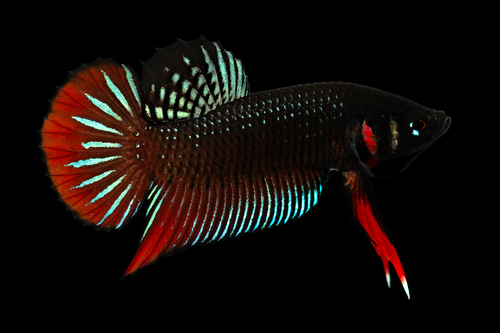
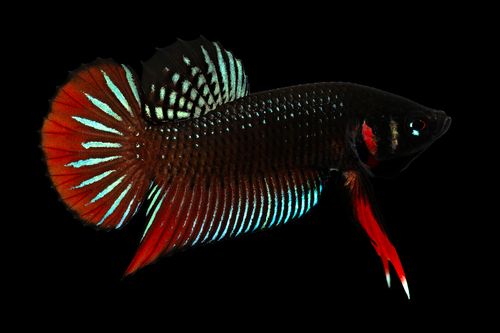
The Red Wines Betta captivates with its vibrant colors and unique personality.
Pricing for Verified Importers
Log in to see wholesale prices and order.
Export Size
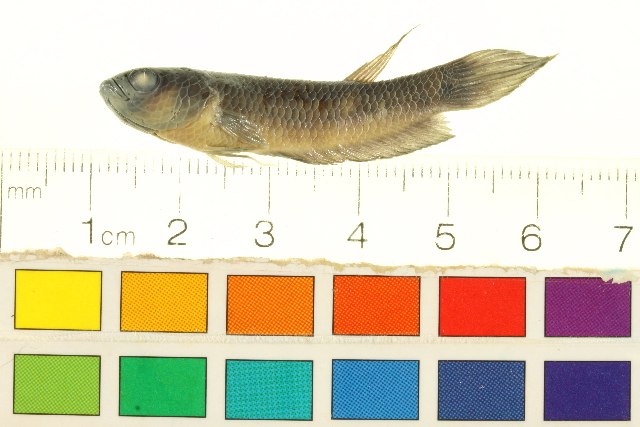
up to 7.0 cm
Origin
Southeast Asia
Temperature
24.0–28.0°C
Min. Tank Size
20 L
pH
6.50–7.50
Diet
carnivore
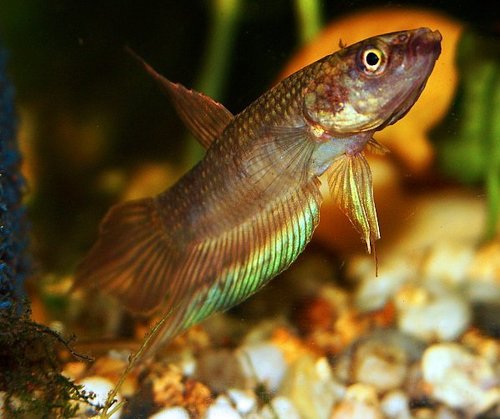
The Red Wines Betta, scientifically classified as Betta sp. Api api, is a captivating freshwater species native to Southeast Asia. This stunning fish is particularly renowned for its striking hues of deep red and subtle hints of violet, reminiscent of a fine wine. Males are characterized by their elongated fins and iridescent coloration, which not only enhance their beauty but also serve as critical elements in their courtship displays. In the wild, they inhabit shallow waters such as swamps and rice paddies, where they find shelter among dense aquatic vegetation.
Behaviorally, Red Wines Bettas are known for their inquisitive and territorial nature, especially during breeding season. Males often engage in elaborate displays of fin fanning and bubble nest building to attract females. Their social structure can be quite complex; while they can exhibit aggressive tendencies toward other males, they can coexist peacefully with certain non-aggressive tank mates. Their vibrant colors and dynamic behaviors make them a popular choice for both novice and experienced aquarists.
In terms of habitat, these fish thrive in warm, slightly acidic waters with abundant cover. Their natural environments are typically lush with plants, which provide essential hiding spots and breeding grounds. Maintaining similar conditions in an aquarium is crucial for their well-being. The Red Wines Betta adds a splash of color and activity to any freshwater aquarium, making it a favorite among hobbyists and collectors alike.
Overall, the Red Wines Betta not only enhances the aesthetic appeal of aquariums but also contributes to the biodiversity of captive aquatic life. Its unique traits and captivating behaviors ensure it remains a sought-after species in the aquatic trade, particularly among importers and wholesalers looking to offer something special to their customers.
Behaviorally, Red Wines Bettas are known for their inquisitive and territorial nature, especially during breeding season. Males often engage in elaborate displays of fin fanning and bubble nest building to attract females. Their social structure can be quite complex; while they can exhibit aggressive tendencies toward other males, they can coexist peacefully with certain non-aggressive tank mates. Their vibrant colors and dynamic behaviors make them a popular choice for both novice and experienced aquarists.
In terms of habitat, these fish thrive in warm, slightly acidic waters with abundant cover. Their natural environments are typically lush with plants, which provide essential hiding spots and breeding grounds. Maintaining similar conditions in an aquarium is crucial for their well-being. The Red Wines Betta adds a splash of color and activity to any freshwater aquarium, making it a favorite among hobbyists and collectors alike.
Overall, the Red Wines Betta not only enhances the aesthetic appeal of aquariums but also contributes to the biodiversity of captive aquatic life. Its unique traits and captivating behaviors ensure it remains a sought-after species in the aquatic trade, particularly among importers and wholesalers looking to offer something special to their customers.
To ensure the thriving of Red Wines Bettas, it is essential to replicate their natural environment as closely as possible. The ideal water parameters include a temperature range of 24-28°C, a pH level between 6.5 and 7.5, and soft to moderately hard water. Regular water changes and a quality filtration system are crucial to maintaining a healthy environment.
Feeding should consist of a high-quality diet that includes both flakes and live or frozen foods such as brine shrimp, daphnia, and bloodworms, ensuring a balanced intake of nutrients. Bettas are generally not picky eaters but should be fed in moderation to prevent obesity.
Compatibility is key when housing these fish. While they can be territorial, they can coexist peacefully with peaceful species like small tetras or rasboras. However, avoid keeping multiple males in the same tank to prevent aggression. Acclimation is crucial; introduce the fish slowly into the new environment to reduce stress, ideally over a period of a few hours. Quarantine new arrivals for at least two weeks to monitor for any signs of illness before adding them to the main tank.
Feeding should consist of a high-quality diet that includes both flakes and live or frozen foods such as brine shrimp, daphnia, and bloodworms, ensuring a balanced intake of nutrients. Bettas are generally not picky eaters but should be fed in moderation to prevent obesity.
Compatibility is key when housing these fish. While they can be territorial, they can coexist peacefully with peaceful species like small tetras or rasboras. However, avoid keeping multiple males in the same tank to prevent aggression. Acclimation is crucial; introduce the fish slowly into the new environment to reduce stress, ideally over a period of a few hours. Quarantine new arrivals for at least two weeks to monitor for any signs of illness before adding them to the main tank.
Red Wines Bettas are suitable for shipping due to their robust nature when properly packed. It is recommended to use insulated boxes with heat packs if shipping during cooler months. The ideal packing density is one fish per liter of water to minimize stress. Maintain a temperature range of 24-28°C during transport. This species is not listed under CITES, ensuring smooth export procedures.
Species Parameters
Max Adult Size
7.0 cm
Origin
Southeast Asia
Diet
carnivore
Temp Min
24.0 °C
Temp Max
28.0 °C
pH Min
6.50
pH Max
7.50
Min Tank
20 L