Red Scat
Scatophagus argus
In Stock
Scarce stock
Wild Caught
Moderate care
Not Reef Safe
SKU: 01-A-33-011-01
The Red Scat is a vibrant, adaptable fish perfect for freshwater systems.
Pricing for Verified Importers
Log in to see wholesale prices and order.
Export Size
up to 30.0 cm
Origin
Southeast Asia
Temperature
24.0–28.0°C
Min. Tank Size
200 L
pH
6.50–8.00
Diet
omnivore
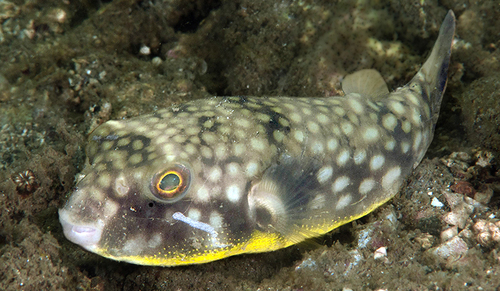
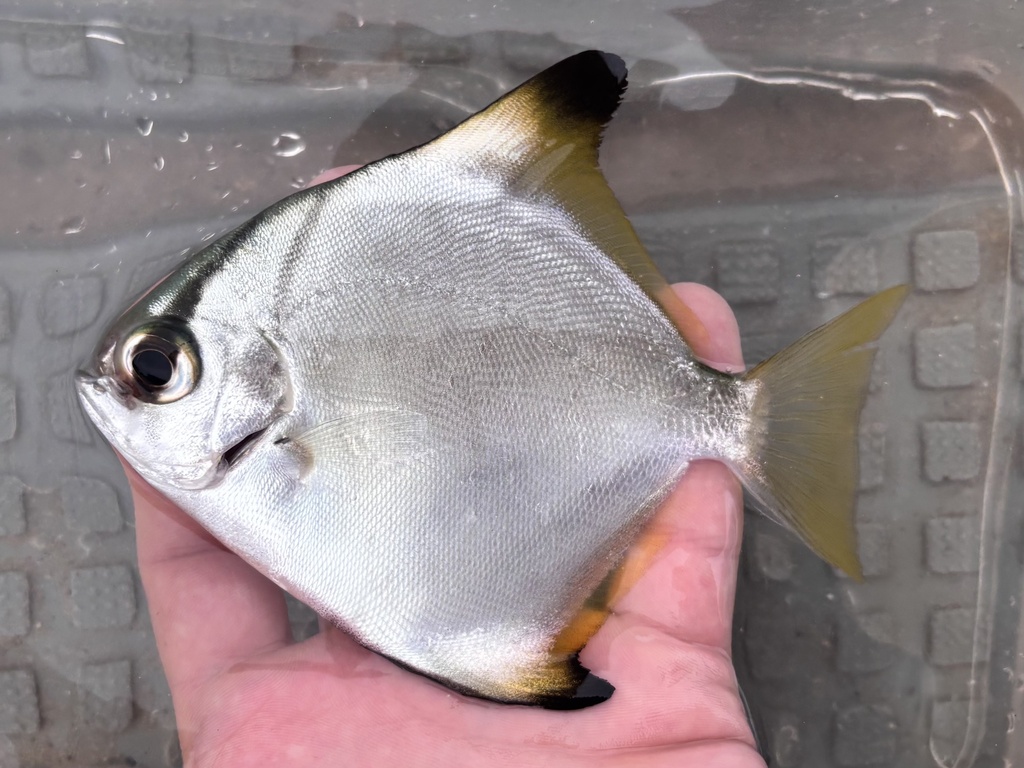
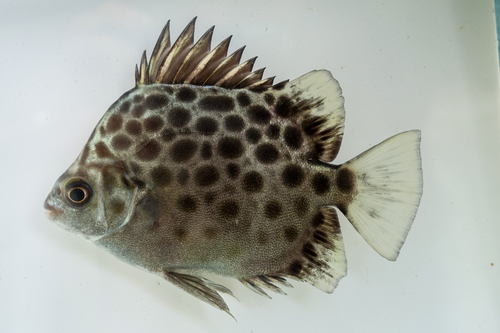
The Red Scat (Scatophagus argus) is a striking species known for its vibrant red and yellow coloration, which can vary based on habitat and diet. This species is recognized for its disc-shaped body, which allows it to navigate through various aquatic environments with ease. The Red Scat's unique appearance is complemented by its large, expressive eyes and the ability to change color slightly in response to environmental conditions.
Native to brackish and freshwater habitats in Southeast Asia, the Red Scat is often found in estuaries and coastal waters where it thrives among mangroves and seagrass beds. This fish is known for its schooling behavior, often forming large groups that provide protection against predators. In the wild, they primarily feed on detritus, algae, and small invertebrates, showcasing their omnivorous diet.
In terms of behavior, the Red Scat is generally peaceful but can become territorial when breeding. Their active nature and social behavior make them fascinating to observe in both home aquariums and larger displays. They are also known for their adaptability to different water conditions, which adds to their appeal among aquarists.
The Red Scat's natural habitat is crucial for its growth and development, as they require specific environmental conditions to thrive. Maintaining a stable aquatic environment is essential for their health, emphasizing the importance of understanding their natural history for successful care in captivity.
Native to brackish and freshwater habitats in Southeast Asia, the Red Scat is often found in estuaries and coastal waters where it thrives among mangroves and seagrass beds. This fish is known for its schooling behavior, often forming large groups that provide protection against predators. In the wild, they primarily feed on detritus, algae, and small invertebrates, showcasing their omnivorous diet.
In terms of behavior, the Red Scat is generally peaceful but can become territorial when breeding. Their active nature and social behavior make them fascinating to observe in both home aquariums and larger displays. They are also known for their adaptability to different water conditions, which adds to their appeal among aquarists.
The Red Scat's natural habitat is crucial for its growth and development, as they require specific environmental conditions to thrive. Maintaining a stable aquatic environment is essential for their health, emphasizing the importance of understanding their natural history for successful care in captivity.
For optimal care of Red Scats, maintain water parameters within the range of 24-28°C and a pH of 6.5-8.0. These fish are adaptable but thrive best in slightly brackish water conditions. A minimum tank size of 200 liters is recommended to accommodate their social nature and active swimming habits. When it comes to feeding, they are omnivorous and should be provided with a varied diet that includes high-quality pellets, flakes, and occasional live or frozen foods such as brine shrimp and bloodworms.
Compatibility is crucial, as Red Scats can be territorial during breeding; hence, it is advisable to house them with other peaceful species of similar size. Acclimation should be gradual, ideally over a period of several hours, to reduce stress and ensure a smooth transition to their new environment. Quarantine new arrivals for at least two weeks to prevent the introduction of diseases into your main tank. Regular monitoring of water quality and behavior will support their health and longevity in captivity.
Compatibility is crucial, as Red Scats can be territorial during breeding; hence, it is advisable to house them with other peaceful species of similar size. Acclimation should be gradual, ideally over a period of several hours, to reduce stress and ensure a smooth transition to their new environment. Quarantine new arrivals for at least two weeks to prevent the introduction of diseases into your main tank. Regular monitoring of water quality and behavior will support their health and longevity in captivity.
Red Scats are suitable for shipping due to their hardiness. They should be packed with adequate oxygen and water to maintain stability during transit. A packing density of 1-2 fish per liter is recommended to minimize stress. Temperature should be kept between 22-26°C during shipping. This species is not currently listed under CITES, but ensure compliance with local regulations.
Species Parameters
Max Adult Size
30.0 cm
Origin
Southeast Asia
Diet
omnivore
Temp Min
24.0 °C
Temp Max
28.0 °C
pH Min
6.50
pH Max
8.00
Min Tank
200 L