BORNEO Dragon Catfish
Hemibagrus Olyroides
Out of Stock
Scarce stock
Wild Caught
Moderate care
Not Reef Safe
SKU: 01-A-08-008-05
The Borneo Dragon Catfish is a stunning freshwater species, known for its striking appearance and unique behavior.
Pricing for Verified Importers
Log in to see wholesale prices and order.
Export Size
up to 60.0 cm
Origin
Southeast Asia
Temperature
24.0–28.0°C
Min. Tank Size
200 L
pH
6.50–7.50
Diet
carnivore
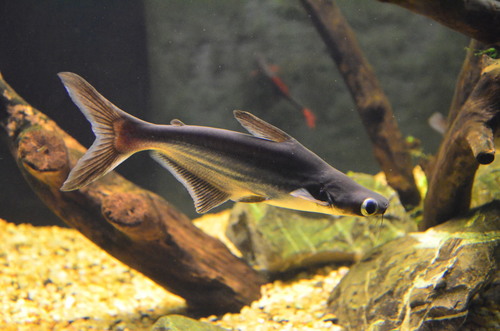
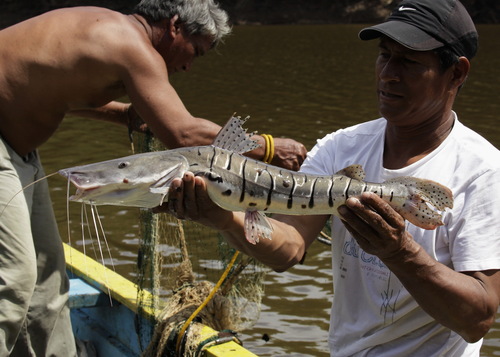
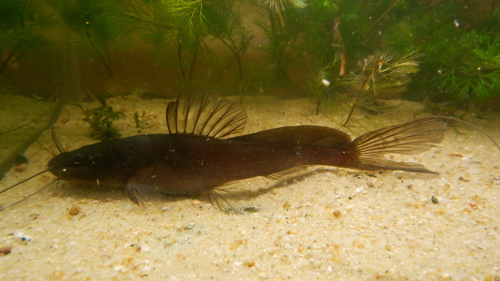
The Borneo Dragon Catfish (Hemibagrus Olyroides) is a captivating freshwater fish native to the rivers of Borneo, Indonesia. This species is recognized for its elongated body, which can reach impressive lengths, and its distinctive coloration, featuring dark hues with lighter spots that provide excellent camouflage among riverine habitats. The Borneo Dragon Catfish is equipped with long, whisker-like barbels that enhance its sensory perception, allowing it to navigate and hunt effectively in murky waters.
In terms of behavior, the Borneo Dragon Catfish is primarily nocturnal, becoming active during the evening and nighttime hours. This species is known to exhibit territorial tendencies, especially as it matures, making it essential for aquarists to provide ample space and hiding spots within the aquarium. While generally peaceful, they can be aggressive towards smaller tank mates, showcasing a predatory nature that must be considered when selecting compatible species.
In its natural habitat, the Borneo Dragon Catfish thrives in slow-moving rivers and streams, often found in areas with dense vegetation and submerged structures. These environments not only provide shelter but also serve as hunting grounds for the species, which primarily feeds on smaller fish and invertebrates. The adaptation to such habitats makes them a fascinating addition to aquariums designed to mimic similar conditions, including soft substrate and plenty of cover.
Overall, the Borneo Dragon Catfish is a striking and dynamic species that adds both aesthetic value and ecological interest to freshwater aquarium displays. Its unique characteristics and behaviors make it a sought-after choice for importers and wholesalers looking to offer something special to their customers.
In terms of behavior, the Borneo Dragon Catfish is primarily nocturnal, becoming active during the evening and nighttime hours. This species is known to exhibit territorial tendencies, especially as it matures, making it essential for aquarists to provide ample space and hiding spots within the aquarium. While generally peaceful, they can be aggressive towards smaller tank mates, showcasing a predatory nature that must be considered when selecting compatible species.
In its natural habitat, the Borneo Dragon Catfish thrives in slow-moving rivers and streams, often found in areas with dense vegetation and submerged structures. These environments not only provide shelter but also serve as hunting grounds for the species, which primarily feeds on smaller fish and invertebrates. The adaptation to such habitats makes them a fascinating addition to aquariums designed to mimic similar conditions, including soft substrate and plenty of cover.
Overall, the Borneo Dragon Catfish is a striking and dynamic species that adds both aesthetic value and ecological interest to freshwater aquarium displays. Its unique characteristics and behaviors make it a sought-after choice for importers and wholesalers looking to offer something special to their customers.
To successfully care for the Borneo Dragon Catfish, it is crucial to maintain optimal water parameters. The ideal temperature range is between 24°C to 28°C, with a pH level of 6.5 to 7.5. This species thrives in soft to moderately hard water conditions, making regular water quality checks essential. A minimum tank size of 200 liters is recommended to provide ample swimming space and territory for this growing species.
Feeding the Borneo Dragon Catfish should focus on a carnivorous diet, including high-quality pellets, frozen or live food such as shrimp, and small fish. It is important to feed them appropriately sized food to prevent choking and ensure they receive adequate nutrition. As they are nocturnal, feeding them in the evening can encourage more active feeding behavior.
Compatibility is key when housing the Borneo Dragon Catfish, as they can display aggressive tendencies towards smaller fish. It is advisable to keep them with similarly sized or larger species to reduce stress and territorial disputes. Acclimation should be done slowly to minimize shock, ideally over several hours, and quarantine new arrivals for at least two weeks to prevent the spread of disease in the main tank. Regular monitoring of their health and environment will ensure a thriving aquatic display.
Feeding the Borneo Dragon Catfish should focus on a carnivorous diet, including high-quality pellets, frozen or live food such as shrimp, and small fish. It is important to feed them appropriately sized food to prevent choking and ensure they receive adequate nutrition. As they are nocturnal, feeding them in the evening can encourage more active feeding behavior.
Compatibility is key when housing the Borneo Dragon Catfish, as they can display aggressive tendencies towards smaller fish. It is advisable to keep them with similarly sized or larger species to reduce stress and territorial disputes. Acclimation should be done slowly to minimize shock, ideally over several hours, and quarantine new arrivals for at least two weeks to prevent the spread of disease in the main tank. Regular monitoring of their health and environment will ensure a thriving aquatic display.
The Borneo Dragon Catfish is suitable for shipping, provided appropriate measures are taken to ensure their well-being. Packing density should be moderate to allow for movement during transit, with sufficient water volume to maintain water quality. Temperature sensitivity is a consideration, as they prefer stable conditions; thus, shipping should ideally occur within the temperature range of 24°C to 28°C. This species is not currently listed under CITES, making export regulations more straightforward for wholesalers.
Species Parameters
Max Adult Size
60.0 cm
Origin
Southeast Asia
Diet
carnivore
Temp Min
24.0 °C
Temp Max
28.0 °C
pH Min
6.50
pH Max
7.50
Min Tank
200 L