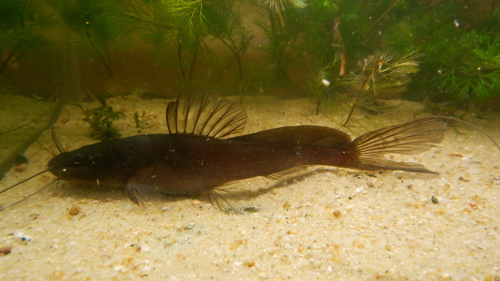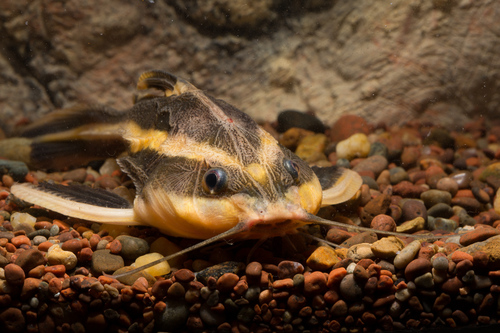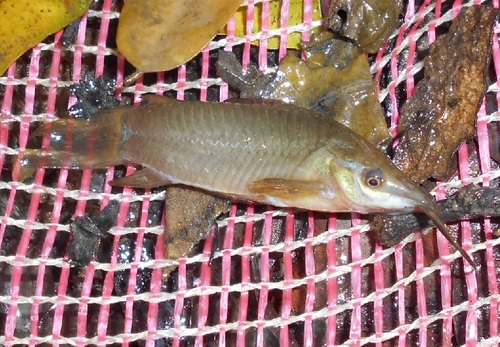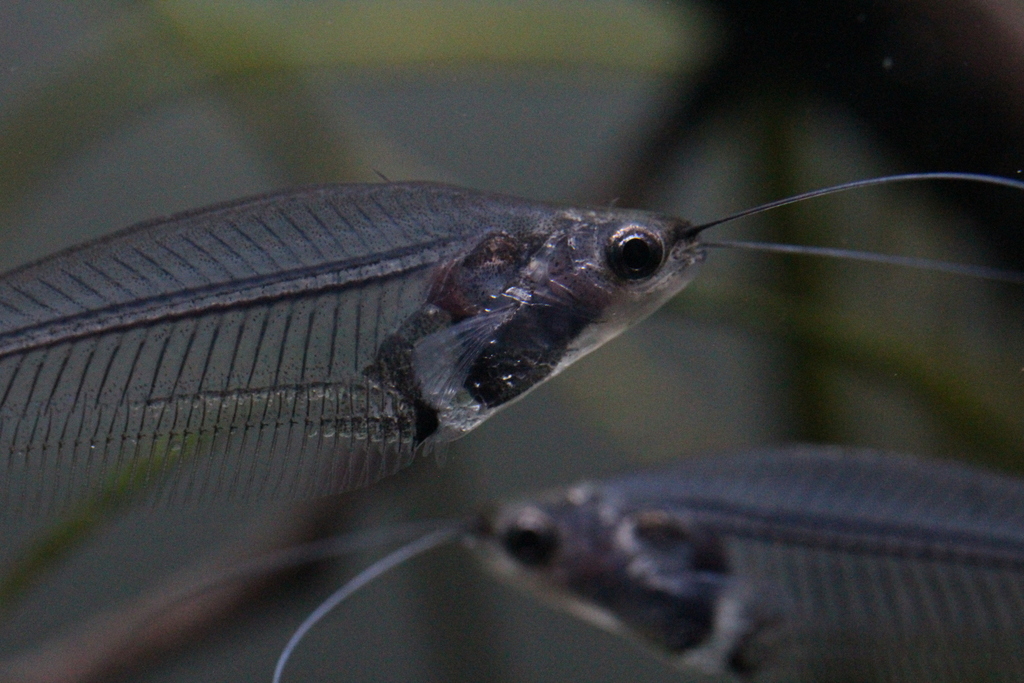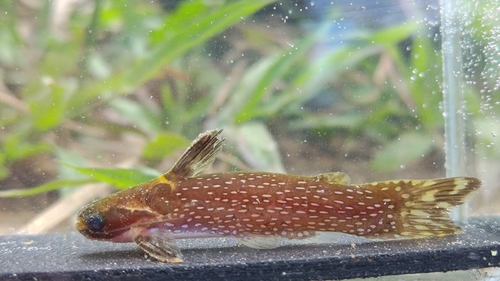
Rinelocaria sp. L11a (red lizard)
Rinelocaria sp. L11a (red lizard)
In Stock
Common stock
Wild Caught
Moderate care
Not Reef Safe
SKU: 01-A-08-077-08
Discover the captivating Rinelocaria sp. L11a, known for its unique red coloration and intriguing behavior.
Pricing for Verified Importers
Log in to see wholesale prices and order.
Export Size
up to 10.0 cm
Origin
Southeast Asia
Temperature
24.0–28.0°C
Min. Tank Size
100 L
pH
6.00–7.50
Diet
omnivore
Rinelocaria sp. L11a, commonly referred to as the red lizard, is a striking freshwater fish native to the rivers and streams of Southeast Asia. Its vibrant red coloration sets it apart from other species, making it a sought-after addition to aquariums. This species has adapted well to its natural habitat, characterized by densely vegetated areas where it can hide from predators and hunt for food. Rinelocaria sp. L11a exhibits a slender body shape, which aids in navigating through intricate aquatic environments.
Behaviorally, the red lizard is known for its peaceful disposition. It tends to be a bottom dweller, often foraging for food among the substrate. The species exhibits interesting social interactions, especially in groups, where they establish a hierarchy. They prefer to remain in small schools, which enhances their confidence and reduces stress. In captivity, they can display more vibrant colors when kept in appropriately sized groups and provided with ample hiding spaces.
In terms of habitat, Rinelocaria sp. L11a thrives in slow-moving waters with plenty of vegetation. They prefer warm, soft, and slightly acidic water, reminiscent of their natural environment. This species is often found in areas with sandy substrates and plenty of cover from plants, which helps them feel secure. The right habitat conditions in aquariums can significantly influence their health and coloration.
Overall, the Rinelocaria sp. L11a offers a unique combination of beauty and personality that appeals to both novice and experienced aquarists. Its adaptability and relatively peaceful nature make it a perfect candidate for community tanks, provided they are housed with compatible species.
Behaviorally, the red lizard is known for its peaceful disposition. It tends to be a bottom dweller, often foraging for food among the substrate. The species exhibits interesting social interactions, especially in groups, where they establish a hierarchy. They prefer to remain in small schools, which enhances their confidence and reduces stress. In captivity, they can display more vibrant colors when kept in appropriately sized groups and provided with ample hiding spaces.
In terms of habitat, Rinelocaria sp. L11a thrives in slow-moving waters with plenty of vegetation. They prefer warm, soft, and slightly acidic water, reminiscent of their natural environment. This species is often found in areas with sandy substrates and plenty of cover from plants, which helps them feel secure. The right habitat conditions in aquariums can significantly influence their health and coloration.
Overall, the Rinelocaria sp. L11a offers a unique combination of beauty and personality that appeals to both novice and experienced aquarists. Its adaptability and relatively peaceful nature make it a perfect candidate for community tanks, provided they are housed with compatible species.
To ensure the well-being of Rinelocaria sp. L11a, maintaining optimal water parameters is crucial. The ideal temperature range is between 24-28°C, with a pH of 6.0 to 7.5. Soft water with low to moderate hardness is preferred. It’s essential to perform regular water changes to keep the environment clean and stable.
Feeding Rinelocaria sp. L11a is straightforward, as they are omnivorous. A varied diet including high-quality flakes, pellets, and occasional live or frozen foods such as brine shrimp and daphnia will promote vibrant health and coloration. It’s recommended to feed them small portions multiple times a day to mimic their natural foraging behavior.
Compatibility is generally good with other peaceful species, but caution should be taken with larger or more aggressive fish. Acclimating new arrivals should be done gradually to prevent shock; floating the sealed bag in the aquarium for 15-20 minutes before introducing the fish is advisable. Quarantine new specimens for at least two weeks to ensure they are free from disease before introducing them to the main tank.
Feeding Rinelocaria sp. L11a is straightforward, as they are omnivorous. A varied diet including high-quality flakes, pellets, and occasional live or frozen foods such as brine shrimp and daphnia will promote vibrant health and coloration. It’s recommended to feed them small portions multiple times a day to mimic their natural foraging behavior.
Compatibility is generally good with other peaceful species, but caution should be taken with larger or more aggressive fish. Acclimating new arrivals should be done gradually to prevent shock; floating the sealed bag in the aquarium for 15-20 minutes before introducing the fish is advisable. Quarantine new specimens for at least two weeks to ensure they are free from disease before introducing them to the main tank.
Rinelocaria sp. L11a is well-suited for shipping, provided that temperature and water quality are carefully managed. Packing density should allow for adequate oxygen exchange, with a maximum of 5-8 individuals per bag depending on size. It is essential to maintain a stable temperature between 24-28°C during transit. This species is not listed under CITES, simplifying export regulations.
Species Parameters
Max Adult Size
10.0 cm
Origin
Southeast Asia
Diet
omnivore
Temp Min
24.0 °C
Temp Max
28.0 °C
pH Min
6.00
pH Max
7.50
Min Tank
100 L