Glass - Catfish (Wild Caught)
Kryptopterus bichirris
Out of Stock
Scarce stock
Wild Caught
Moderate care
Not Reef Safe
SKU: 01-A-08-019-19
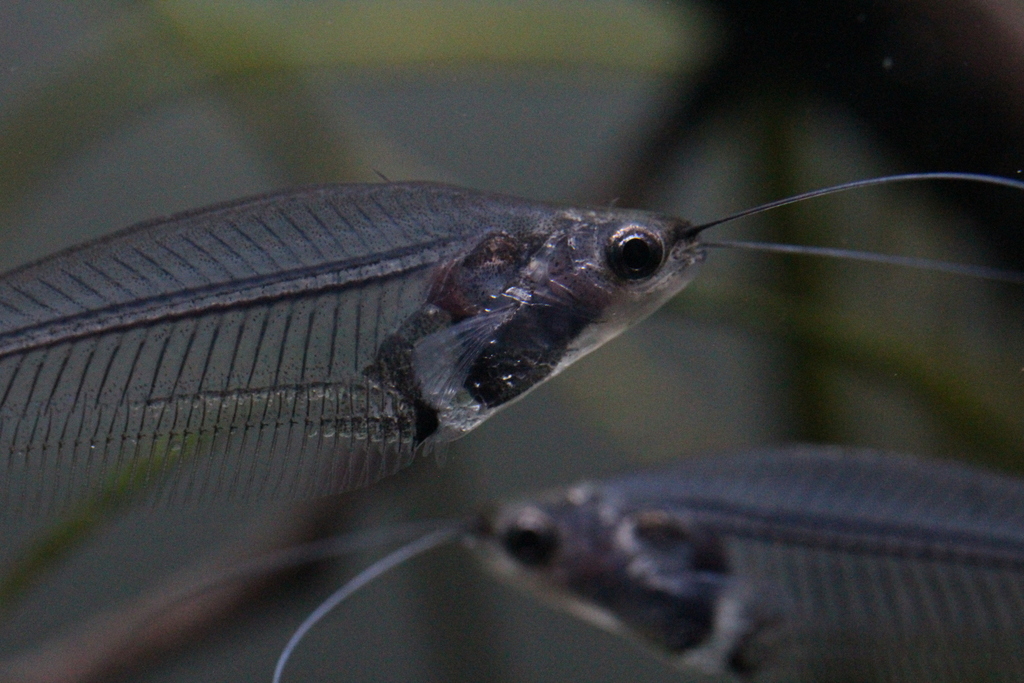
The Glass Catfish is a unique, transparent species that captivates aquarists with its ethereal beauty.
Pricing for Verified Importers
Log in to see wholesale prices and order.
Export Size
up to 10.0 cm
Origin
Southeast Asia
Temperature
24.0–28.0°C
Min. Tank Size
100 L
pH
6.00–7.50
Diet
omnivore
The Glass Catfish (Kryptopterus bichirris) is a striking freshwater species known for its almost transparent body, which allows observers to see its internal organs and skeletal structure. This fascinating trait makes it a popular choice among aquarium enthusiasts and offers a unique visual experience. Found primarily in the slow-moving rivers and streams of Southeast Asia, the Glass Catfish thrives in densely vegetated habitats, where it can easily blend in and evade predators.
In terms of appearance, this species typically grows to about 10 cm in length, exhibiting a slender, elongated body that is nearly devoid of coloration. Its eyes are small, and its fins are delicate, adding to its almost ghost-like appearance. The Glass Catfish is a social species, often seen in small groups, which enhances its enchanting display in an aquarium setting as they swim gracefully together.
Behaviorally, the Glass Catfish is known for its peaceful temperament, making it an ideal candidate for community tanks. They are primarily nocturnal, displaying more activity during the evening hours. Despite their tranquil nature, they can be skittish and may require a secure environment with plenty of hiding spots to feel comfortable. In the wild, they primarily feed on small invertebrates and detritus, which influences their dietary needs in captivity.
The natural habitat of the Glass Catfish is characterized by soft, acidic waters with plenty of vegetation. They prefer dim lighting and well-planted tanks that mimic their native environments. Keeping them in a community tank with other peaceful species can lead to a dynamic and visually stunning aquarium display, showcasing their unique swimming patterns and interactions with tank mates.
In terms of appearance, this species typically grows to about 10 cm in length, exhibiting a slender, elongated body that is nearly devoid of coloration. Its eyes are small, and its fins are delicate, adding to its almost ghost-like appearance. The Glass Catfish is a social species, often seen in small groups, which enhances its enchanting display in an aquarium setting as they swim gracefully together.
Behaviorally, the Glass Catfish is known for its peaceful temperament, making it an ideal candidate for community tanks. They are primarily nocturnal, displaying more activity during the evening hours. Despite their tranquil nature, they can be skittish and may require a secure environment with plenty of hiding spots to feel comfortable. In the wild, they primarily feed on small invertebrates and detritus, which influences their dietary needs in captivity.
The natural habitat of the Glass Catfish is characterized by soft, acidic waters with plenty of vegetation. They prefer dim lighting and well-planted tanks that mimic their native environments. Keeping them in a community tank with other peaceful species can lead to a dynamic and visually stunning aquarium display, showcasing their unique swimming patterns and interactions with tank mates.
To maintain healthy Glass Catfish, it is important to replicate their natural environment as closely as possible. They thrive in soft, slightly acidic water, with a pH range of 6.0 to 7.5, and a temperature between 24°C and 28°C. Regular water changes and filtration are crucial for keeping their habitat clean and stable. A minimum tank size of 100 liters is recommended to provide ample swimming space and room for a small school of these fish.
Feeding Glass Catfish can be straightforward, as they are not particularly picky eaters. A varied diet consisting of high-quality flake food, micro-pellets, and live or frozen foods like brine shrimp and daphnia will ensure they receive the necessary nutrients. It's advisable to feed them small portions multiple times a day to keep them healthy and active.
Glass Catfish are generally compatible with other peaceful species, making them excellent additions to community tanks. However, it's important to avoid larger or aggressive fish that may see them as prey. When introducing them to a new tank, acclimation should be done slowly over a few hours to prevent shock. A quarantine period of at least two weeks is recommended for new arrivals to ensure they are free of disease before introducing them to the main aquarium.
Feeding Glass Catfish can be straightforward, as they are not particularly picky eaters. A varied diet consisting of high-quality flake food, micro-pellets, and live or frozen foods like brine shrimp and daphnia will ensure they receive the necessary nutrients. It's advisable to feed them small portions multiple times a day to keep them healthy and active.
Glass Catfish are generally compatible with other peaceful species, making them excellent additions to community tanks. However, it's important to avoid larger or aggressive fish that may see them as prey. When introducing them to a new tank, acclimation should be done slowly over a few hours to prevent shock. A quarantine period of at least two weeks is recommended for new arrivals to ensure they are free of disease before introducing them to the main aquarium.
Glass Catfish are suitable for shipping, provided they are packed carefully to minimize stress. Use breathable bags with sufficient water for each fish, and ensure they are insulated against temperature fluctuations. Ideal shipping temperatures are between 24°C and 28°C. This species is not listed under CITES, making export regulations straightforward.
Species Parameters
Max Adult Size
10.0 cm
Origin
Southeast Asia
Diet
omnivore
Temp Min
24.0 °C
Temp Max
28.0 °C
pH Min
6.00
pH Max
7.50
Min Tank
100 L