Hoplosternum magdalenae
Hoplosternum magdalenae
Out of Stock
Scarce stock
Wild Caught
Moderate care
Not Reef Safe
SKU: 01-A-08-011-01
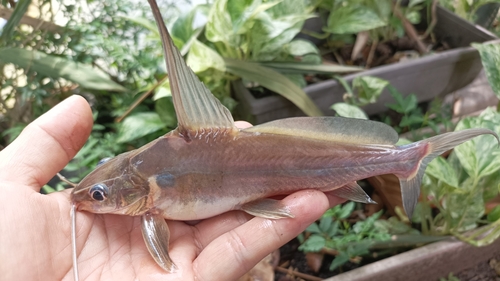
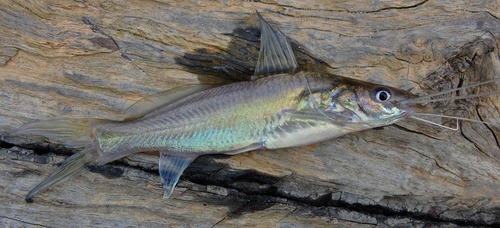
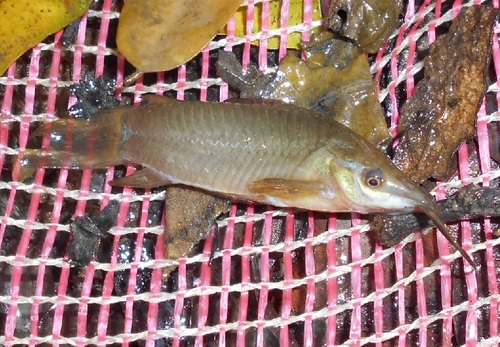
Hoplosternum magdalenae, known as the striped hoplo, is a unique freshwater catfish with striking patterns.
Pricing for Verified Importers
Log in to see wholesale prices and order.
Export Size
up to 15.0 cm
Origin
Colombia
Temperature
22.0–28.0°C
Min. Tank Size
100 L
pH
6.50–7.50
Diet
omnivore
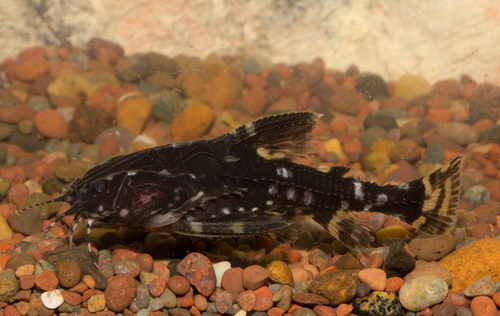
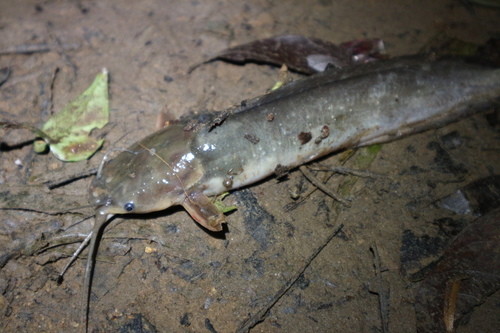
Hoplosternum magdalenae, commonly referred to as the striped hoplo, is a notable member of the Callichthyidae family, endemic to the freshwater systems west of the Andes, specifically in the drainages of the Sinu and Magdalena Rivers in Colombia. This species is characterized by its unique striped pattern, which provides a distinctive appearance that attracts both aquarists and researchers alike. The striped hoplo features a robust body covered with bony plates, which offers protection from predators in its natural habitat.
In terms of behavior, the striped hoplo is primarily nocturnal, becoming more active during the night when it forages for food. It is known to be a bottom-dweller, often found near the substrate in both slow-moving rivers and lakes. The striped hoplo is also a social species, typically seen in small groups, which helps in reducing stress levels and promoting natural behavior in an aquarium setting. The intricate social interactions among these fish make them a fascinating species to observe.
The striped hoplo thrives in warm, freshwater environments, typically preferring temperatures between 22 to 28 degrees Celsius. These catfish are commonly found in areas with dense vegetation, where they can hide from potential threats and hunt for food. The habitat is often characterized by soft substrates and plenty of cover, which mimic the conditions in which they naturally occur. Their ability to adapt to various conditions makes them suitable for a range of aquarium setups.
Overall, the striped hoplo not only adds beauty to any aquarium but also contributes to the ecological balance of its environment, making it a valuable species for both ecological studies and aquaristic interests.
In terms of behavior, the striped hoplo is primarily nocturnal, becoming more active during the night when it forages for food. It is known to be a bottom-dweller, often found near the substrate in both slow-moving rivers and lakes. The striped hoplo is also a social species, typically seen in small groups, which helps in reducing stress levels and promoting natural behavior in an aquarium setting. The intricate social interactions among these fish make them a fascinating species to observe.
The striped hoplo thrives in warm, freshwater environments, typically preferring temperatures between 22 to 28 degrees Celsius. These catfish are commonly found in areas with dense vegetation, where they can hide from potential threats and hunt for food. The habitat is often characterized by soft substrates and plenty of cover, which mimic the conditions in which they naturally occur. Their ability to adapt to various conditions makes them suitable for a range of aquarium setups.
Overall, the striped hoplo not only adds beauty to any aquarium but also contributes to the ecological balance of its environment, making it a valuable species for both ecological studies and aquaristic interests.
When caring for Hoplosternum magdalenae, maintaining optimal water parameters is crucial. Ideal temperature ranges between 22°C and 28°C, with a pH level between 6.5 and 7.5. Although these fish can tolerate slight variations, sudden changes should be avoided. They thrive in soft to moderately hard water, and a minimum tank size of 100 liters is recommended to provide ample swimming space and hiding spots.
Feeding the striped hoplo is relatively straightforward; they are omnivorous and enjoy a varied diet. High-quality sinking pellets, frozen or live foods like bloodworms and brine shrimp, and blanched vegetables like zucchini or spinach are suitable options. Ensure to provide a balanced diet to promote their health and vibrant coloration.
Compatibility-wise, the striped hoplo is generally peaceful and can be housed with other similarly sized community fish. Avoid keeping them with overly aggressive species. Acclimation should be gradual; use a drip method to introduce them to a new tank environment. Quarantine new arrivals for at least two weeks to prevent introducing diseases to your main aquarium.
Regular monitoring and maintenance of water quality will help keep the striped hoplo healthy and thriving in an aquarium setting. Their unique behavior and appearance make them a delightful addition to any freshwater collection.
Feeding the striped hoplo is relatively straightforward; they are omnivorous and enjoy a varied diet. High-quality sinking pellets, frozen or live foods like bloodworms and brine shrimp, and blanched vegetables like zucchini or spinach are suitable options. Ensure to provide a balanced diet to promote their health and vibrant coloration.
Compatibility-wise, the striped hoplo is generally peaceful and can be housed with other similarly sized community fish. Avoid keeping them with overly aggressive species. Acclimation should be gradual; use a drip method to introduce them to a new tank environment. Quarantine new arrivals for at least two weeks to prevent introducing diseases to your main aquarium.
Regular monitoring and maintenance of water quality will help keep the striped hoplo healthy and thriving in an aquarium setting. Their unique behavior and appearance make them a delightful addition to any freshwater collection.
Hoplosternum magdalenae is well-suited for shipping due to its hardiness and adaptability. Ensure proper packing density, typically 1-2 fish per liter, to minimize stress during transport. The ideal shipping temperature should be maintained between 22°C and 26°C, as extreme temperatures can adversely affect their health. This species is not listed under CITES, simplifying the export process.
Species Parameters
Max Adult Size
15.0 cm
Origin
Colombia
Diet
omnivore
Temp Min
22.0 °C
Temp Max
28.0 °C
pH Min
6.50
pH Max
7.50
Min Tank
100 L