Striped Raphael Catfish (Chocolate Doradid)
Platydoras costatus
In Stock
Common stock
Wild Caught
Moderate care
Not Reef Safe
SKU: 01-A-08-041-01
The Striped Raphael Catfish is a unique freshwater species known for its striking appearance and bottom-dwelling nature.
Pricing for Verified Importers
Log in to see wholesale prices and order.
Export Size
up to 30.0 cm
Origin
Amazon Basin
Temperature
24.0–28.0°C
Min. Tank Size
150 L
pH
6.00–7.50
Diet
omnivore
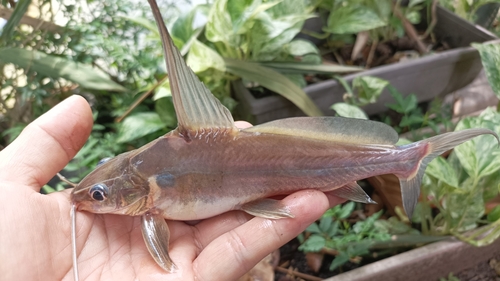
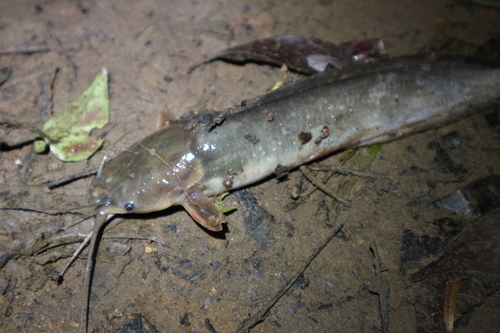
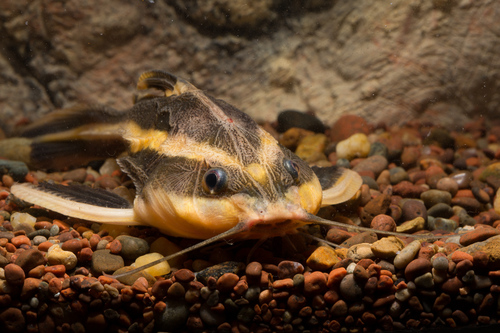
The Striped Raphael Catfish, scientifically known as Platydoras costatus, is a distinctive freshwater fish native to the Amazon Basin and surrounding regions. Characterized by its elongated body and unique striped pattern, this species is often recognized for its dark brown to black coloration, adorned with lighter vertical stripes that provide excellent camouflage among riverine substrates. Its bony, armored plates give it a robust appearance while also serving as a defense mechanism against predators.
In terms of behavior, the Striped Raphael Catfish is primarily nocturnal, exhibiting a calm demeanor during the day and becoming more active at night. This species is known for its bottom-dwelling habits, often seen foraging for food among the substrate, which includes fallen leaves and detritus. Its peaceful nature makes it a suitable addition to community aquariums, where it can coexist with a variety of other freshwater species.
Habitat-wise, Platydoras costatus thrives in slow-moving rivers, floodplains, and lakes with dense vegetation. It prefers soft, sandy substrates where it can burrow and hide, creating a sense of security. The presence of hiding spots in the aquarium is crucial to mimic its natural habitat, thereby reducing stress and promoting healthy behavior.
Due to its unique adaptations and intriguing behavior, the Striped Raphael Catfish is a popular choice among aquarists looking to enhance biodiversity in their tanks. Its unique appearance and interesting habits make it a standout species for both importers and retail aquarists alike.
In terms of behavior, the Striped Raphael Catfish is primarily nocturnal, exhibiting a calm demeanor during the day and becoming more active at night. This species is known for its bottom-dwelling habits, often seen foraging for food among the substrate, which includes fallen leaves and detritus. Its peaceful nature makes it a suitable addition to community aquariums, where it can coexist with a variety of other freshwater species.
Habitat-wise, Platydoras costatus thrives in slow-moving rivers, floodplains, and lakes with dense vegetation. It prefers soft, sandy substrates where it can burrow and hide, creating a sense of security. The presence of hiding spots in the aquarium is crucial to mimic its natural habitat, thereby reducing stress and promoting healthy behavior.
Due to its unique adaptations and intriguing behavior, the Striped Raphael Catfish is a popular choice among aquarists looking to enhance biodiversity in their tanks. Its unique appearance and interesting habits make it a standout species for both importers and retail aquarists alike.
To ensure the optimal health of Striped Raphael Catfish, maintain water parameters between 24-28°C, with a pH level of 6.0 to 7.5. It thrives in well-filtered tanks with gentle water movement, reflecting its natural river habitat. A minimum tank size of 150 liters is recommended to provide sufficient space for swimming and hiding.
Feeding should consist of a varied diet, including high-quality sinking pellets, frozen or live foods such as bloodworms, and occasional vegetable matter. This species is predominantly omnivorous, so a balanced diet is essential for its growth and health.
In terms of compatibility, the Striped Raphael Catfish is generally peaceful and can be housed with other non-aggressive freshwater species. However, avoid keeping it with overly territorial or aggressive fish, as this can lead to stress. Acclimation should be done gradually, introducing the fish to the tank in a controlled manner to prevent shock.
Quarantine new arrivals for at least two weeks to monitor for any signs of disease and ensure the health of the existing tank residents. Regular water changes and tank maintenance will further promote a healthy environment for this unique catfish.
Feeding should consist of a varied diet, including high-quality sinking pellets, frozen or live foods such as bloodworms, and occasional vegetable matter. This species is predominantly omnivorous, so a balanced diet is essential for its growth and health.
In terms of compatibility, the Striped Raphael Catfish is generally peaceful and can be housed with other non-aggressive freshwater species. However, avoid keeping it with overly territorial or aggressive fish, as this can lead to stress. Acclimation should be done gradually, introducing the fish to the tank in a controlled manner to prevent shock.
Quarantine new arrivals for at least two weeks to monitor for any signs of disease and ensure the health of the existing tank residents. Regular water changes and tank maintenance will further promote a healthy environment for this unique catfish.
The Striped Raphael Catfish is suitable for shipping due to its hardy nature. It is best packed with a density of 1 fish per 3-5 liters of water to ensure adequate space and oxygen. Maintain a temperature range of 24-26°C during transport. This species is not listed under CITES, simplifying export procedures.
Species Parameters
Max Adult Size
30.0 cm
Origin
Amazon Basin
Diet
omnivore
Temp Min
24.0 °C
Temp Max
28.0 °C
pH Min
6.00
pH Max
7.50
Min Tank
150 L