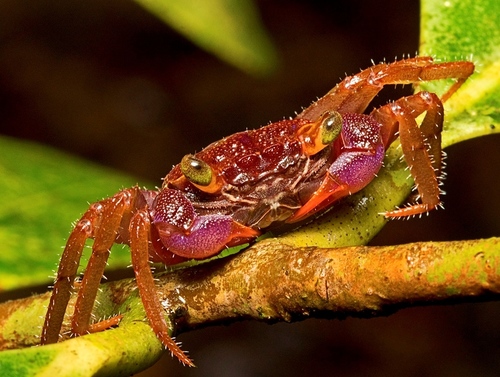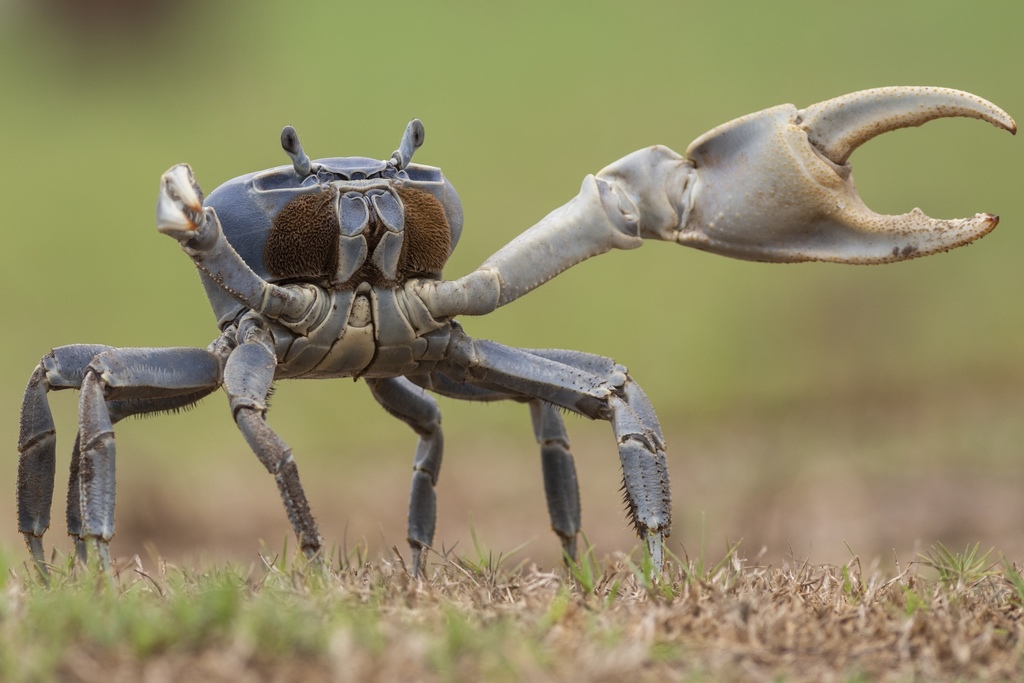
Brown Land Crab
Cardisoma carnifex
In Stock
Common stock
Wild Caught
Moderate care
SKU: AQ-FW-0087
Discover the fascinating Brown Land Crab, a unique species from Bali known for its striking features and adaptability.
Pricing for Verified Importers
Log in to see wholesale prices and order.
Export Size
up to 15.0 cm
Origin
Southeast Asia
Temperature
24.0–30.0°C
Min. Tank Size
100 L
pH
7.50–8.50
Diet
omnivore
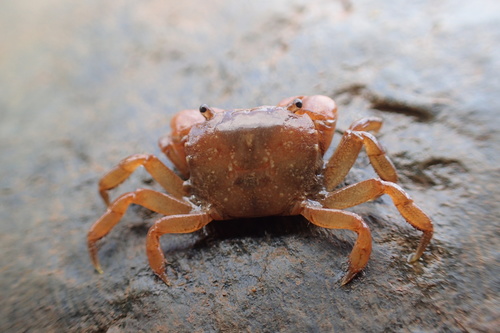
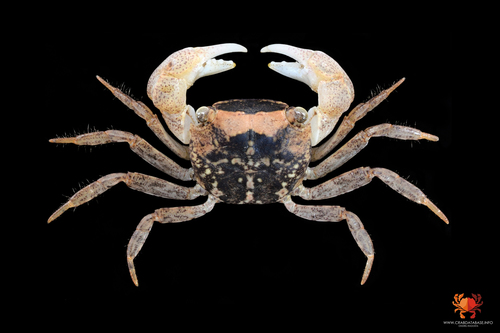
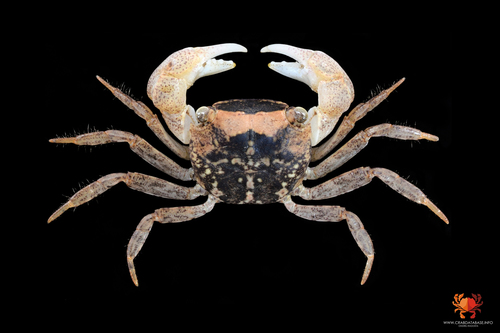
The Brown Land Crab (Cardisoma carnifex) is an intriguing species native to the coastal regions of Southeast Asia, particularly in Bali, Indonesia. These crabs are often found in mangrove swamps and intertidal zones, where they thrive in both terrestrial and semi-aquatic environments. Their ability to adapt to varying salinity levels makes them a resilient inhabitant of these ecosystems. Characterized by their robust claws and a carapace that can display shades of brown, they exhibit a remarkable blend of camouflage and beauty.
In terms of behavior, Brown Land Crabs are primarily nocturnal, foraging for food during the night while retreating to their burrows during the day. They are known for their social structures, often found in groups, and are territorial, especially the males. Their diet consists mainly of detritus, plant matter, and small invertebrates, which they scavenge from their surroundings. This omnivorous diet plays a crucial role in the health of their ecosystem by aiding in nutrient recycling.
Brown Land Crabs have adapted to a variety of habitats, including freshwater, brackish, and fully saline environments. They construct burrows that can reach depths of over a meter, providing them with shelter from predators and harsh environmental conditions. The health of their populations is often linked to the quality of their habitat, making them important indicators of ecosystem health in coastal areas.
Due to their unique adaptations and ecological importance, the Brown Land Crab is a captivating species for importers and aquarists alike. Their striking appearance and interesting behavior make them a popular choice for both educational and decorative purposes in marine and terrestrial settings.
In terms of behavior, Brown Land Crabs are primarily nocturnal, foraging for food during the night while retreating to their burrows during the day. They are known for their social structures, often found in groups, and are territorial, especially the males. Their diet consists mainly of detritus, plant matter, and small invertebrates, which they scavenge from their surroundings. This omnivorous diet plays a crucial role in the health of their ecosystem by aiding in nutrient recycling.
Brown Land Crabs have adapted to a variety of habitats, including freshwater, brackish, and fully saline environments. They construct burrows that can reach depths of over a meter, providing them with shelter from predators and harsh environmental conditions. The health of their populations is often linked to the quality of their habitat, making them important indicators of ecosystem health in coastal areas.
Due to their unique adaptations and ecological importance, the Brown Land Crab is a captivating species for importers and aquarists alike. Their striking appearance and interesting behavior make them a popular choice for both educational and decorative purposes in marine and terrestrial settings.
For successful care of Brown Land Crabs, it's essential to maintain stable water parameters. Although they can tolerate a range of salinity, a brackish environment with a salinity of 5-15 ppt is ideal. The pH should be kept between 7.5 and 8.5, while water temperatures should range from 24 to 30 degrees Celsius. It's important to provide plenty of hiding spots, such as rocks or plants, and ensure the substrate is suitable for burrowing.
Feeding should include a varied diet of high-quality pellets, blanched vegetables, and occasional protein sources like fish or shrimp. It is crucial to avoid overfeeding, as uneaten food can pollute the tank. Brown Land Crabs are generally compatible with other semi-aggressive species, but care should be taken to prevent them from being bullied or outcompeted for food.
Acclimation is vital when introducing Brown Land Crabs to a new environment. They should be slowly acclimated to avoid shock, ideally over a period of several hours. Quarantine new arrivals for at least two weeks to monitor for any signs of disease or parasites before adding them to the main tank. This practice will help ensure the health and longevity of your crabs.
Feeding should include a varied diet of high-quality pellets, blanched vegetables, and occasional protein sources like fish or shrimp. It is crucial to avoid overfeeding, as uneaten food can pollute the tank. Brown Land Crabs are generally compatible with other semi-aggressive species, but care should be taken to prevent them from being bullied or outcompeted for food.
Acclimation is vital when introducing Brown Land Crabs to a new environment. They should be slowly acclimated to avoid shock, ideally over a period of several hours. Quarantine new arrivals for at least two weeks to monitor for any signs of disease or parasites before adding them to the main tank. This practice will help ensure the health and longevity of your crabs.
Brown Land Crabs are suitable for shipping due to their hardy nature. It is recommended to pack them in moist substrate within a secure, well-ventilated container to maintain humidity. A packing density of 1 crab per liter is ideal to avoid stress during transit. They are sensitive to extreme temperature fluctuations, so maintaining a stable temperature between 20-25 degrees Celsius during shipping is crucial. Currently, there are no CITES restrictions on this species.
Species Parameters
Max Adult Size
15.0 cm
Origin
Southeast Asia
Diet
omnivore
Temp Min
24.0 °C
Temp Max
30.0 °C
pH Min
7.50
pH Max
8.50
Min Tank
100 L