Spider Crab
Metasesarma obesum
Out of Stock
Scarce stock
Wild Caught
Moderate care
Not Reef Safe
SKU: 01-F-01-009-20
Discover the unique Spider Crab, a stunning addition to your aquatic collection.
Pricing for Verified Importers
Log in to see wholesale prices and order.
Export Size
up to 12.0 cm
Origin
Southeast Asia
Temperature
24.0–28.0°C
Min. Tank Size
50 L
Salinity
10.000–20.000 ppt
pH
7.50–8.50
Diet
omnivore
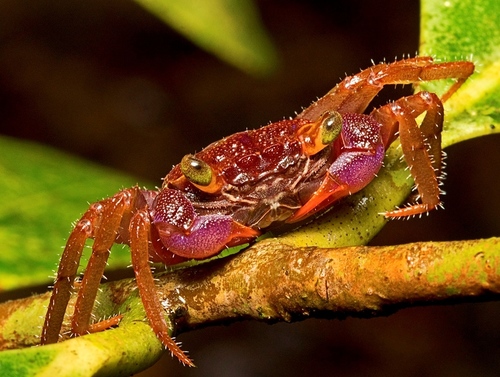
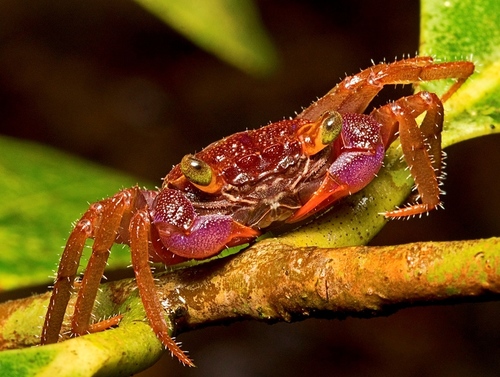
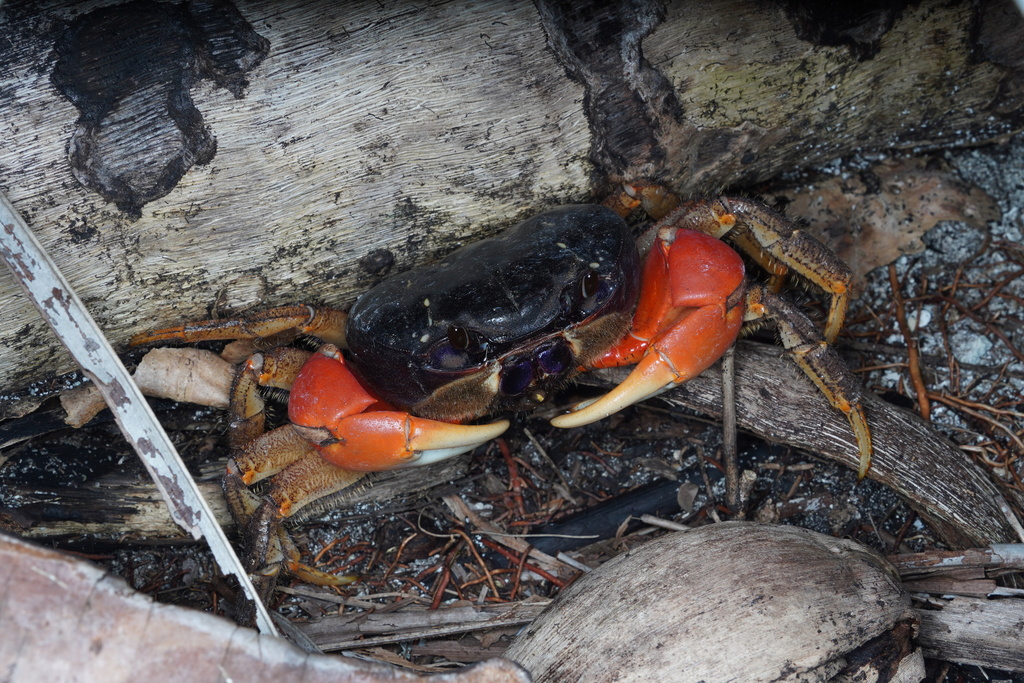
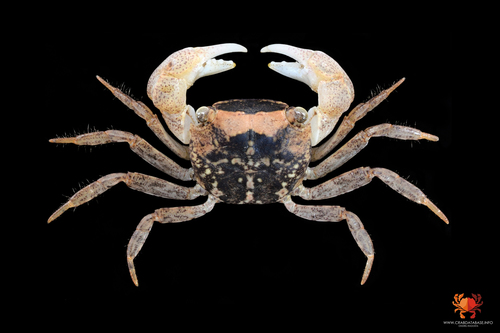
Metasesarma obesum, commonly known as the marble crab or marble Batik crab, is a captivating species native to the brackish waters and sandy beaches of Southeast Asia. This semi-terrestrial crab is notable for its striking appearance, which features a beautifully patterned carapace resembling marble, giving it its common name. Its vibrant coloration and intricate designs make it a popular choice among aquarium enthusiasts and collectors alike.
In terms of natural history, Metasesarma obesum inhabits coastal regions and estuarine environments where it forages for organic matter and detritus. This crab is well-adapted to both land and water, often seen scuttling along the shoreline during low tide. They are primarily diurnal, engaging in most of their activities, such as foraging and mating, during daylight hours. Their habitat plays a crucial role in their behavior, as they utilize sandy substrates for burrowing and protection from predators.
Socially, marble crabs can exhibit territorial behavior, especially during the breeding season. Males may display aggressive posturing to establish dominance over a territory rich in resources. These crabs communicate using a range of visual signals and postures, which is vital for their social structure and mating rituals. Their unique adaptations to both aquatic and semi-terrestrial environments make them fascinating subjects for study and observation.
Overall, Metasesarma obesum is not just an ornamental species; it plays a vital ecological role in its native habitat by contributing to the biodiversity of coastal ecosystems. Its dynamic behavior and stunning appearance make it an attractive option for aquarists looking to enhance their aquatic displays.
In terms of natural history, Metasesarma obesum inhabits coastal regions and estuarine environments where it forages for organic matter and detritus. This crab is well-adapted to both land and water, often seen scuttling along the shoreline during low tide. They are primarily diurnal, engaging in most of their activities, such as foraging and mating, during daylight hours. Their habitat plays a crucial role in their behavior, as they utilize sandy substrates for burrowing and protection from predators.
Socially, marble crabs can exhibit territorial behavior, especially during the breeding season. Males may display aggressive posturing to establish dominance over a territory rich in resources. These crabs communicate using a range of visual signals and postures, which is vital for their social structure and mating rituals. Their unique adaptations to both aquatic and semi-terrestrial environments make them fascinating subjects for study and observation.
Overall, Metasesarma obesum is not just an ornamental species; it plays a vital ecological role in its native habitat by contributing to the biodiversity of coastal ecosystems. Its dynamic behavior and stunning appearance make it an attractive option for aquarists looking to enhance their aquatic displays.
When caring for Metasesarma obesum, it is essential to replicate their natural habitat to ensure their health and well-being. These crabs thrive in brackish water, with ideal salinity levels ranging from 10 to 20 ppt. Maintaining a temperature between 24°C to 28°C is crucial for their optimal growth. The pH should be kept between 7.5 and 8.5 to mimic their natural environment.
Feeding these crabs is relatively straightforward, as they are omnivorous. A varied diet should include high-quality sinking pellets, fresh vegetables, and occasional protein sources like shrimp or fish. Regular feeding ensures they remain healthy and vibrant. Compatibility with other species is possible, but caution should be exercised as they may exhibit territorial behavior, particularly in smaller tanks.
Acclimation is critical for newly imported crabs; a slow drip acclimation method is recommended to minimize stress during the transfer from transport water to tank water. Quarantine procedures should be implemented to prevent the introduction of any potential pathogens into existing aquatic populations. A quarantine period of at least two weeks is suggested before adding them to a main aquarium, allowing for observation and treatment if necessary.
Feeding these crabs is relatively straightforward, as they are omnivorous. A varied diet should include high-quality sinking pellets, fresh vegetables, and occasional protein sources like shrimp or fish. Regular feeding ensures they remain healthy and vibrant. Compatibility with other species is possible, but caution should be exercised as they may exhibit territorial behavior, particularly in smaller tanks.
Acclimation is critical for newly imported crabs; a slow drip acclimation method is recommended to minimize stress during the transfer from transport water to tank water. Quarantine procedures should be implemented to prevent the introduction of any potential pathogens into existing aquatic populations. A quarantine period of at least two weeks is suggested before adding them to a main aquarium, allowing for observation and treatment if necessary.
Metasesarma obesum is suitable for shipping, provided that proper packing methods are employed. They should be packed with sufficient ventilation and moisture to avoid stress during transit. Ideal packing density is one crab per liter of water to ensure adequate space and minimize territorial disputes during shipping. Temperature sensitivity requires that they be shipped within a range of 24°C to 28°C. As a non-CITES listed species, there are no specific export restrictions.
Species Parameters
Max Adult Size
12.0 cm
Origin
Southeast Asia
Diet
omnivore
Temp Min
24.0 °C
Temp Max
28.0 °C
Salinity Min
10.000
Salinity Max
20.000
pH Min
7.50
pH Max
8.50
Min Tank
50 L