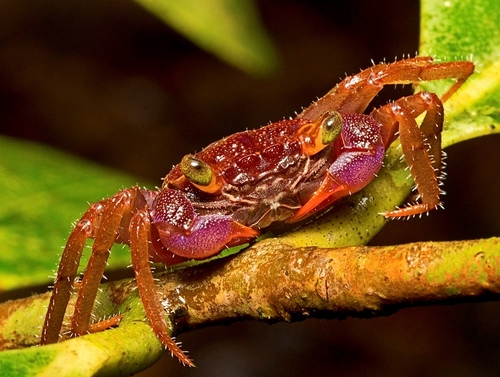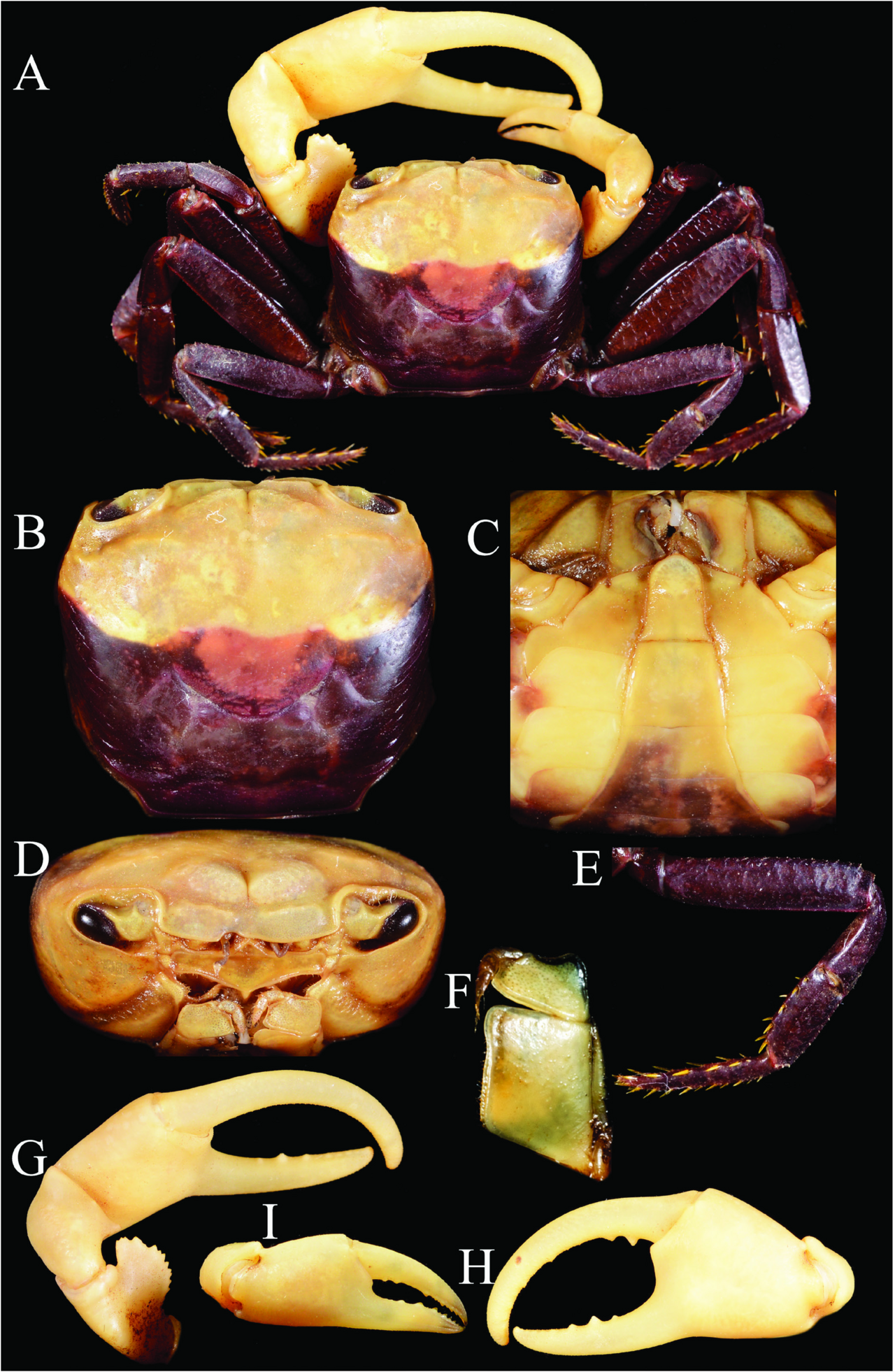
Common Hermit Crab
Coenobita rugosus
In Stock
Common stock
Wild Caught
Moderate care
Not Reef Safe
SKU: 01-F-01-056-20
The Common Hermit Crab is a fascinating invertebrate, known for its unique shell-swapping behavior.
Pricing for Verified Importers
Log in to see wholesale prices and order.
Export Size
up to 8.0 cm
Origin
Indo-Pacific
Temperature
24.0–28.0°C
Min. Tank Size
50 L
pH
7.50–8.50
Diet
omnivore
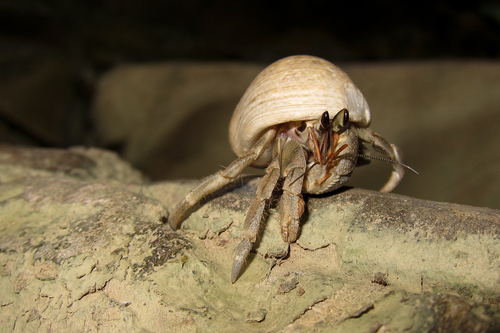
The Common Hermit Crab (Coenobita rugosus) is a terrestrial crustacean that thrives in coastal regions, particularly in the Indo-Pacific. This species is easily recognizable by its long, slender legs and its habit of carrying a shell for protection, which it changes as it grows. The shells are typically sourced from discarded marine mollusks, making these crabs unique in their adaptive behavior. With a striking coloration that ranges from brown to vibrant orange, these crabs add a lively touch to any aquarium.
In their natural habitat, Common Hermit Crabs are often found on sandy beaches and rocky shorelines. They are social creatures, often congregating in groups, and exhibit fascinating interactions with both their peers and their environment. Their scavenging nature helps maintain the ecosystem as they feed on detritus, algae, and decaying organic matter. This behavior not only aids in nutrient cycling but also helps keep their habitat clean.
Behaviorally, the Common Hermit Crab is highly active and enjoys climbing and exploring. They are known for their territorial disputes over shells, which can lead to intriguing social dynamics within a group. Their nocturnal habits make them more active during the night, providing an interesting spectacle for aquarium enthusiasts.
Overall, the Common Hermit Crab is a resilient species that contributes significantly to its ecosystem while providing an engaging experience for aquarium keepers. Their unique adaptations, social structures, and colorful appearance make them a popular choice among hobbyists and retailers alike.
In their natural habitat, Common Hermit Crabs are often found on sandy beaches and rocky shorelines. They are social creatures, often congregating in groups, and exhibit fascinating interactions with both their peers and their environment. Their scavenging nature helps maintain the ecosystem as they feed on detritus, algae, and decaying organic matter. This behavior not only aids in nutrient cycling but also helps keep their habitat clean.
Behaviorally, the Common Hermit Crab is highly active and enjoys climbing and exploring. They are known for their territorial disputes over shells, which can lead to intriguing social dynamics within a group. Their nocturnal habits make them more active during the night, providing an interesting spectacle for aquarium enthusiasts.
Overall, the Common Hermit Crab is a resilient species that contributes significantly to its ecosystem while providing an engaging experience for aquarium keepers. Their unique adaptations, social structures, and colorful appearance make them a popular choice among hobbyists and retailers alike.
To successfully keep Common Hermit Crabs, it is essential to replicate their natural environment as closely as possible. A minimum tank size of 50 liters is recommended to provide ample space for movement and shell selection. The water temperature should be maintained between 24°C and 28°C, with a pH range of 7.5 to 8.5 to ensure optimal health. While they are not marine creatures, brackish water conditions are beneficial, and a salinity level of around 1-2 ppt can be maintained.
Feeding these crabs requires a varied diet, as they are omnivores. Offer a mix of commercial crab food, fresh vegetables, and occasional protein sources like shrimp or fish to keep their diet balanced. It is crucial to monitor their feeding habits and adjust the diet accordingly to prevent overfeeding.
Compatibility is key; while they can live with other peaceful invertebrates and fish, avoid aggressive tank mates that might harm them. Acclimation should be gradual, allowing them to adjust to new water conditions and tank mates. Quarantine newly acquired crabs for at least two weeks to prevent the introduction of diseases to your established aquarium. Regular water quality checks will help maintain a healthy environment for these captivating creatures.
Feeding these crabs requires a varied diet, as they are omnivores. Offer a mix of commercial crab food, fresh vegetables, and occasional protein sources like shrimp or fish to keep their diet balanced. It is crucial to monitor their feeding habits and adjust the diet accordingly to prevent overfeeding.
Compatibility is key; while they can live with other peaceful invertebrates and fish, avoid aggressive tank mates that might harm them. Acclimation should be gradual, allowing them to adjust to new water conditions and tank mates. Quarantine newly acquired crabs for at least two weeks to prevent the introduction of diseases to your established aquarium. Regular water quality checks will help maintain a healthy environment for these captivating creatures.
Common Hermit Crabs are suitable for shipping, and proper packing is crucial for their survival. Using breathable containers with adequate ventilation is recommended, and packing density should not exceed 10 crabs per liter to minimize stress. Maintain a shipping temperature between 22°C and 26°C to ensure their well-being. As this species is not listed under CITES, export regulations are minimal, but compliance with local laws is essential.
Species Parameters
Max Adult Size
8.0 cm
Origin
Indo-Pacific
Diet
omnivore
Temp Min
24.0 °C
Temp Max
28.0 °C
pH Min
7.50
pH Max
8.50
Min Tank
50 L