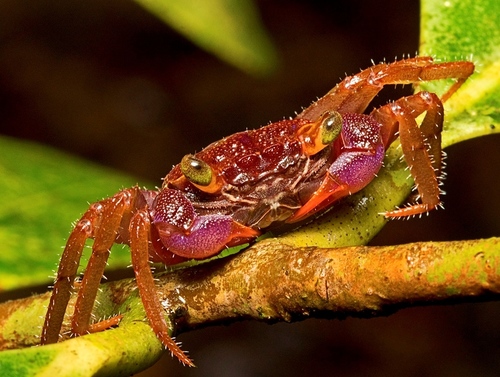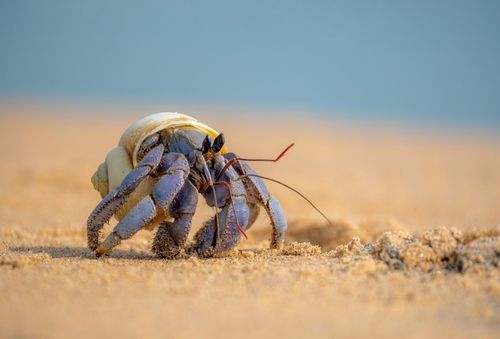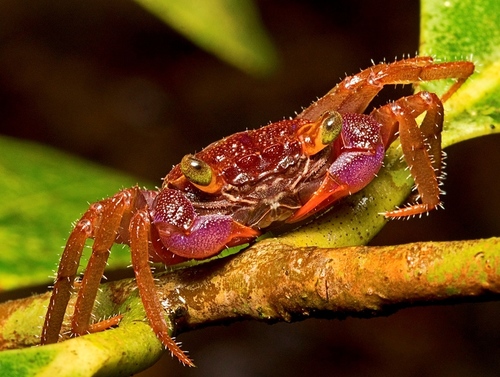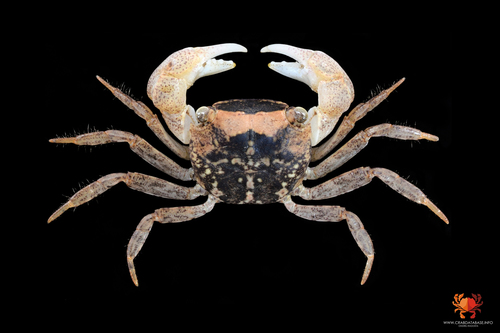
White eye crab
White eye crab
Out of Stock
Scarce stock
Wild Caught
Moderate care
Not Reef Safe
SKU: 01-F-01-023-20
The White Eye Crab is a unique freshwater invertebrate known for its striking appearance and interesting behaviors.
Pricing for Verified Importers
Log in to see wholesale prices and order.
Export Size
up to 5.0 cm
Origin
Southeast Asia
Temperature
22.0–28.0°C
Min. Tank Size
50 L
pH
6.50–7.50
Diet
omnivore
The White Eye Crab, scientifically known as 'Neocaridina heteropoda,' is a captivating freshwater invertebrate native to the lush water systems of Southeast Asia. Recognized for its distinct white eyes, this species boasts a vibrant exoskeleton that can vary in color, ranging from pale yellow to deep green, allowing it to blend seamlessly into its aquatic environment. Its small size and delicate features make it an attractive addition to any freshwater aquarium.
In their natural habitat, White Eye Crabs inhabit slow-moving rivers, streams, and freshwater pools, often found among submerged vegetation and rocky substrates. They thrive in environments rich in organic matter and detritus, which serve as both a food source and shelter. These crabs exhibit a fascinating behavior of scavenging, using their pincers to forage for algae, detritus, and small invertebrates.
Social and somewhat territorial, White Eye Crabs establish hierarchies within their groups. They communicate through subtle body language and posturing, often displaying their pincers when competing for space or food. Their active nature makes them a joy to observe, as they scuttle across the substrate, occasionally climbing plants and decorations in the aquarium.
Due to their adaptability and resilience, White Eye Crabs are becoming increasingly popular among aquarium enthusiasts and wholesalers alike. They contribute to the ecological balance of the tank, helping to manage algae growth while providing a lively and interactive presence in any setup.
In their natural habitat, White Eye Crabs inhabit slow-moving rivers, streams, and freshwater pools, often found among submerged vegetation and rocky substrates. They thrive in environments rich in organic matter and detritus, which serve as both a food source and shelter. These crabs exhibit a fascinating behavior of scavenging, using their pincers to forage for algae, detritus, and small invertebrates.
Social and somewhat territorial, White Eye Crabs establish hierarchies within their groups. They communicate through subtle body language and posturing, often displaying their pincers when competing for space or food. Their active nature makes them a joy to observe, as they scuttle across the substrate, occasionally climbing plants and decorations in the aquarium.
Due to their adaptability and resilience, White Eye Crabs are becoming increasingly popular among aquarium enthusiasts and wholesalers alike. They contribute to the ecological balance of the tank, helping to manage algae growth while providing a lively and interactive presence in any setup.
To successfully keep White Eye Crabs, it is essential to maintain stable water parameters. The ideal temperature range is between 22°C to 28°C, with a pH level of 6.5 to 7.5. As a freshwater species, they require a well-filtered tank with ample hiding spots created by rocks and aquatic plants. A minimum tank size of 50 liters is recommended to ensure they have enough space to thrive.
Feeding should consist of a varied diet comprising high-quality algae wafers, blanched vegetables, and occasional protein sources such as brine shrimp or bloodworms. It is crucial to avoid overfeeding, as leftover food can pollute the water and harm the crabs. Compatibility is generally good with other peaceful freshwater species; however, avoid aggressive fish that may pose a threat to the crabs.
When introducing White Eye Crabs to a new aquarium, acclimation is vital. Slowly acclimate them to the new water conditions over several hours to reduce stress. A quarantine period of two weeks is advisable before introducing them to the main tank to ensure they are free of diseases that could affect the other inhabitants. Regular water changes and monitoring of water quality will help maintain their health and vibrancy.
Feeding should consist of a varied diet comprising high-quality algae wafers, blanched vegetables, and occasional protein sources such as brine shrimp or bloodworms. It is crucial to avoid overfeeding, as leftover food can pollute the water and harm the crabs. Compatibility is generally good with other peaceful freshwater species; however, avoid aggressive fish that may pose a threat to the crabs.
When introducing White Eye Crabs to a new aquarium, acclimation is vital. Slowly acclimate them to the new water conditions over several hours to reduce stress. A quarantine period of two weeks is advisable before introducing them to the main tank to ensure they are free of diseases that could affect the other inhabitants. Regular water changes and monitoring of water quality will help maintain their health and vibrancy.
White Eye Crabs are well-suited for shipping due to their hard exoskeletons, which provide some protection during transit. Packing density should be moderate, keeping in mind that they require enough space to move without overcrowding. Ideal shipping temperatures range from 20°C to 25°C to prevent stress. There are currently no CITES restrictions applicable to this species.
Species Parameters
Max Adult Size
5.0 cm
Origin
Southeast Asia
Diet
omnivore
Temp Min
22.0 °C
Temp Max
28.0 °C
pH Min
6.50
pH Max
7.50
Min Tank
50 L