Giant Orange-legged Crab
Tuerkayana magnum
In Stock
Common stock
Wild Caught
Moderate care
SKU: AQ-FW-0086
Discover the vibrant Giant Orange-legged Crab, a unique freshwater invertebrate from Bali.
Pricing for Verified Importers
Log in to see wholesale prices and order.
Export Size
up to 15.0 cm
Origin
Southeast Asia
Temperature
22.0–28.0°C
Min. Tank Size
100 L
pH
6.50–7.50
Diet
omnivore
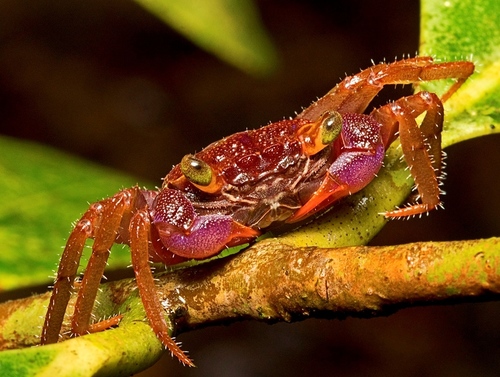
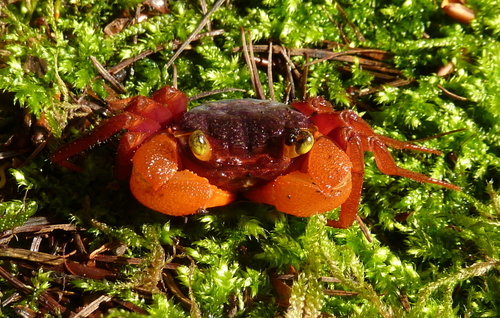
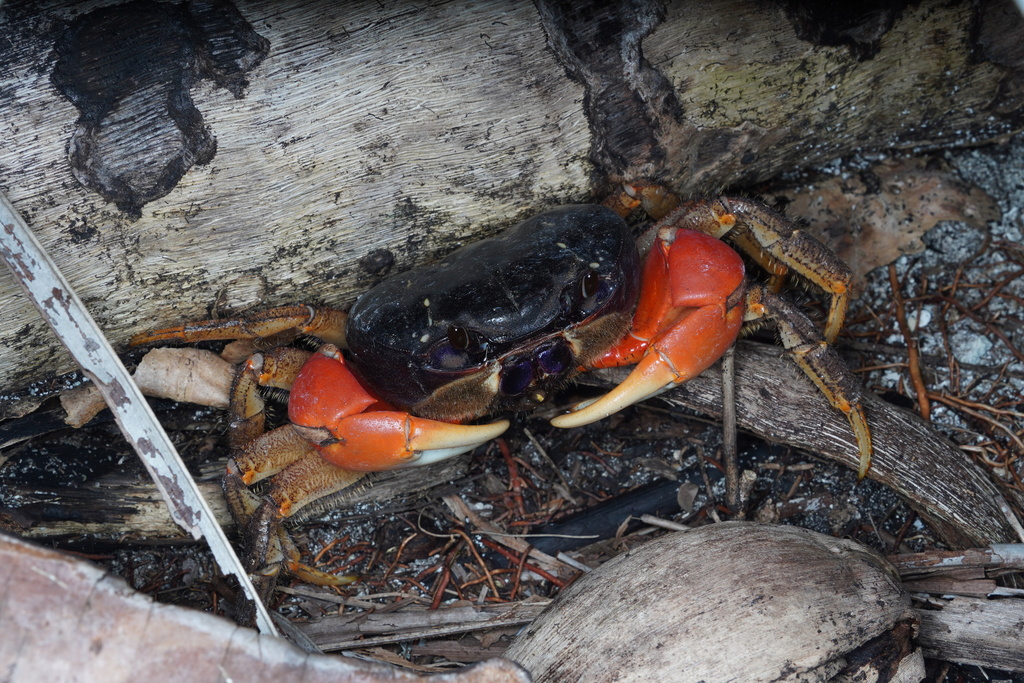
The Giant Orange-legged Crab (Tuerkayana magnum) is a striking species native to the freshwater habitats of Indonesia, particularly in Bali. Known for its vibrant orange legs and robust body, this crab showcases a stunning contrast against its typically darker shell, making it a sought-after addition for aquarists and wholesalers alike. Its impressive size and striking coloration set it apart from many other freshwater invertebrates, capturing the attention of both hobbyists and professional collectors.
In terms of natural history, Tuerkayana magnum primarily inhabits shallow freshwater rivers and streams where it can find ample hiding spots among rocks and vegetation. This species thrives in environments rich in organic material, where it plays a crucial role in maintaining the ecosystem by contributing to the breakdown of detritus and algae. The Giant Orange-legged Crab is known for its adaptability to varying environmental conditions, though it prefers stable water parameters for optimal health.
Behaviorally, these crabs can be quite territorial and are known to exhibit interesting social interactions, particularly during mating seasons. They are most active during the day, engaging in foraging and territorial displays. Their diet consists mainly of detritus, small invertebrates, and plant matter, reflecting their omnivorous feeding habits. In the wild, they are known to scavenge, making them essential for the ecological balance in their native habitats.
Overall, the Giant Orange-legged Crab is not only an eye-catching species but also an important part of the biodiversity in its ecosystem. Its unique characteristics and ecological roles make it a valuable species for both freshwater aquariums and conservation efforts in Indonesia.
In terms of natural history, Tuerkayana magnum primarily inhabits shallow freshwater rivers and streams where it can find ample hiding spots among rocks and vegetation. This species thrives in environments rich in organic material, where it plays a crucial role in maintaining the ecosystem by contributing to the breakdown of detritus and algae. The Giant Orange-legged Crab is known for its adaptability to varying environmental conditions, though it prefers stable water parameters for optimal health.
Behaviorally, these crabs can be quite territorial and are known to exhibit interesting social interactions, particularly during mating seasons. They are most active during the day, engaging in foraging and territorial displays. Their diet consists mainly of detritus, small invertebrates, and plant matter, reflecting their omnivorous feeding habits. In the wild, they are known to scavenge, making them essential for the ecological balance in their native habitats.
Overall, the Giant Orange-legged Crab is not only an eye-catching species but also an important part of the biodiversity in its ecosystem. Its unique characteristics and ecological roles make it a valuable species for both freshwater aquariums and conservation efforts in Indonesia.
When caring for the Giant Orange-legged Crab, maintaining stable water parameters is critical. The ideal temperature range is between 22°C and 28°C, with a pH level of 6.5 to 7.5. Since this species is freshwater, salinity levels should be kept at 0 ppt. Ensure that the tank has a minimum volume of 100 liters to provide ample space for movement and territorial behavior.
Feeding Tuerkayana magnum is relatively straightforward, as they are omnivores. A varied diet consisting of high-quality sinking pellets, blanched vegetables, and occasional protein sources like shrimp or fish will ensure they receive balanced nutrition. Compatibility with other species can be managed, but it is advisable to avoid housing them with overly aggressive fish that might stress these crabs.
Acclimation should be done slowly to minimize stress; place the crabs in a separate acclimation container before introducing them to the main tank. Quarantine new arrivals for at least two weeks to prevent any potential disease transmission to existing stock. Regular water quality checks and maintenance will help keep these crabs healthy and vibrant.
Feeding Tuerkayana magnum is relatively straightforward, as they are omnivores. A varied diet consisting of high-quality sinking pellets, blanched vegetables, and occasional protein sources like shrimp or fish will ensure they receive balanced nutrition. Compatibility with other species can be managed, but it is advisable to avoid housing them with overly aggressive fish that might stress these crabs.
Acclimation should be done slowly to minimize stress; place the crabs in a separate acclimation container before introducing them to the main tank. Quarantine new arrivals for at least two weeks to prevent any potential disease transmission to existing stock. Regular water quality checks and maintenance will help keep these crabs healthy and vibrant.
The Giant Orange-legged Crab is suitable for shipping due to its hard exoskeleton, which provides some protection during transit. It is recommended to pack them in sturdy, breathable containers with sufficient water to minimize stress. Ideal shipping temperatures should be maintained between 22°C and 25°C. Given its CITES status, ensure compliance with all regulations before export.
Species Parameters
Max Adult Size
15.0 cm
Origin
Southeast Asia
Diet
omnivore
Temp Min
22.0 °C
Temp Max
28.0 °C
pH Min
6.50
pH Max
7.50
Min Tank
100 L