Red Claw Crab
Geosesarma sp.
In Stock
Common stock
Wild Caught
Moderate care
Not Reef Safe
SKU: 01-F-01-035-20
The Red Claw Crab is a vibrant and engaging species, perfect for freshwater aquariums.
Pricing for Verified Importers
Log in to see wholesale prices and order.
Export Size
up to 8.0 cm
Origin
Southeast Asia
Temperature
24.0–28.0°C
Min. Tank Size
40 L
pH
6.50–8.00
Diet
omnivore
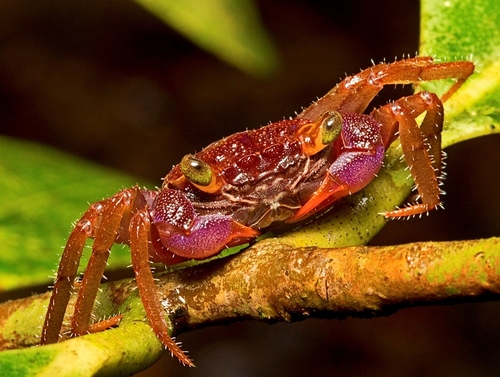
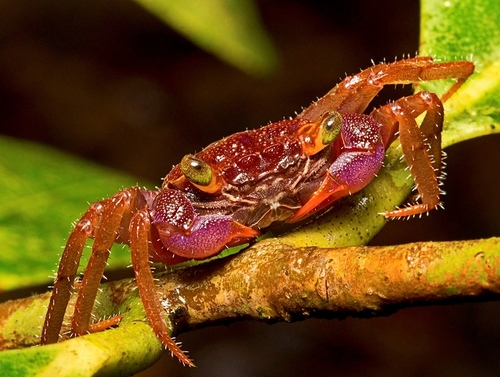
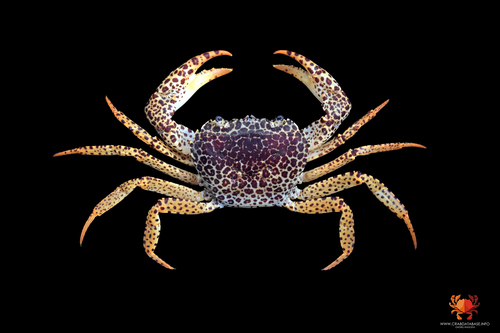
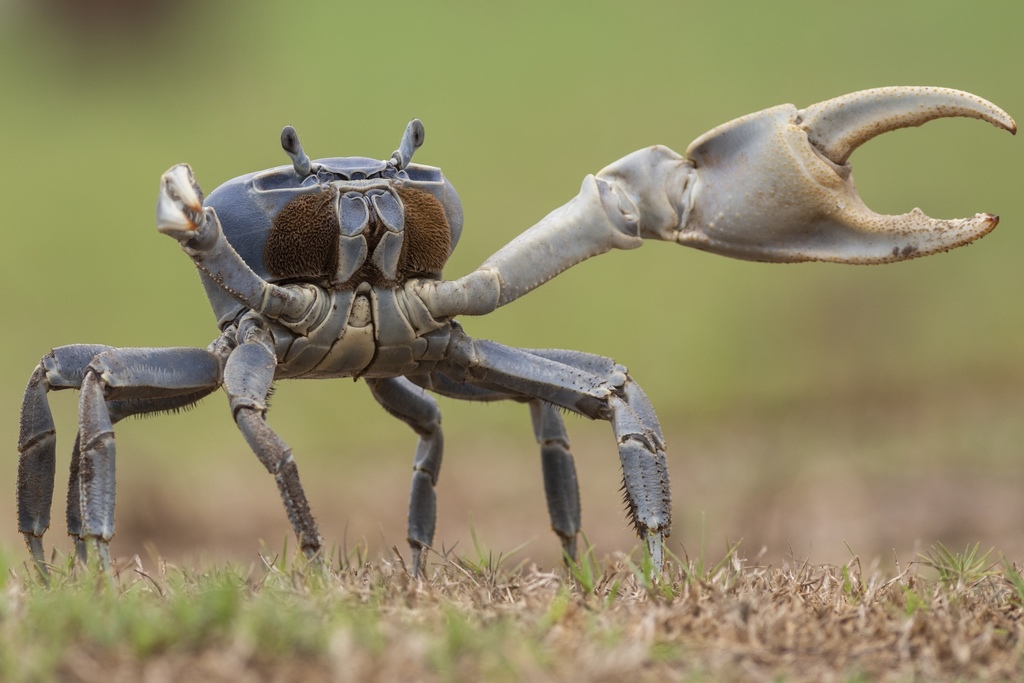
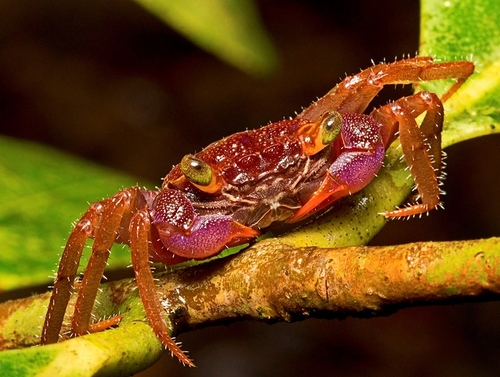
The Red Claw Crab (Geosesarma sp.) is a strikingly colorful freshwater invertebrate native to Southeast Asia, particularly the mangrove forests of Bali. Known for their vivid red pincers and intricate patterns on their shells, these crabs provide an eye-catching addition to any aquarium. Their small size, typically reaching up to 8 cm at maturity, makes them suitable for a variety of aquatic environments, especially nano tanks.
In their natural habitat, Red Claw Crabs inhabit brackish waters, estuaries, and mangrove swamps, where they enjoy a diet rich in detritus, algae, and small invertebrates. They are semi-terrestrial creatures, often seen climbing on rocks or vegetation, which allows them to explore their surroundings and forage for food. Their behavior is characterized by territorial displays, particularly among males, who may engage in posturing to assert dominance.
These crabs are most active during dusk and dawn, making them fascinating to observe in the aquarium setting. They thrive in a well-planted tank that mimics their natural environment, complete with hiding spots, such as caves and driftwood. The Red Claw Crab's unique combination of behavior, coloration, and adaptability to various water conditions makes them a popular choice for both novice and experienced aquarists.
In terms of care, it is essential to maintain stable water parameters and provide enrichment to prevent stress-induced aggression. With proper attention to their habitat and diet, Red Claw Crabs can be a vibrant and lively addition to freshwater aquariums.
In their natural habitat, Red Claw Crabs inhabit brackish waters, estuaries, and mangrove swamps, where they enjoy a diet rich in detritus, algae, and small invertebrates. They are semi-terrestrial creatures, often seen climbing on rocks or vegetation, which allows them to explore their surroundings and forage for food. Their behavior is characterized by territorial displays, particularly among males, who may engage in posturing to assert dominance.
These crabs are most active during dusk and dawn, making them fascinating to observe in the aquarium setting. They thrive in a well-planted tank that mimics their natural environment, complete with hiding spots, such as caves and driftwood. The Red Claw Crab's unique combination of behavior, coloration, and adaptability to various water conditions makes them a popular choice for both novice and experienced aquarists.
In terms of care, it is essential to maintain stable water parameters and provide enrichment to prevent stress-induced aggression. With proper attention to their habitat and diet, Red Claw Crabs can be a vibrant and lively addition to freshwater aquariums.
To ensure the health and wellbeing of Red Claw Crabs, maintaining optimal water parameters is crucial. The ideal temperature range is between 24-28°C, with a pH level between 6.5 and 8.0. As a freshwater species, they do not require salinity but benefit from a slightly acidic to neutral environment. A minimum tank size of 40 liters is recommended to provide ample space for foraging and hiding.
Feeding should include a varied diet of high-quality pellets, blanched vegetables, and occasional protein sources like frozen or live food. This omnivorous diet will help maintain their vibrant coloration and overall health. Compatibility with other species is generally good, but caution should be exercised with smaller fish, as they may be seen as food.
Acclimation should be done gradually to minimize stress, ideally over several hours using the drip acclimation method. Quarantine new arrivals for at least two weeks to prevent the introduction of diseases to established tanks. Regular water changes and monitoring will keep the environment healthy and promote active behavior in these crabs.
Feeding should include a varied diet of high-quality pellets, blanched vegetables, and occasional protein sources like frozen or live food. This omnivorous diet will help maintain their vibrant coloration and overall health. Compatibility with other species is generally good, but caution should be exercised with smaller fish, as they may be seen as food.
Acclimation should be done gradually to minimize stress, ideally over several hours using the drip acclimation method. Quarantine new arrivals for at least two weeks to prevent the introduction of diseases to established tanks. Regular water changes and monitoring will keep the environment healthy and promote active behavior in these crabs.
Red Claw Crabs are suitable for shipping and can be packed in breathable containers with damp substrates to ensure their moisture needs are met during transit. Packing density should allow for adequate space to prevent stress and injury. They are sensitive to extreme temperatures, so maintaining a stable environment during shipping is essential. Currently, there are no CITES restrictions on this species.
Species Parameters
Max Adult Size
8.0 cm
Origin
Southeast Asia
Diet
omnivore
Temp Min
24.0 °C
Temp Max
28.0 °C
pH Min
6.50
pH Max
8.00
Min Tank
40 L