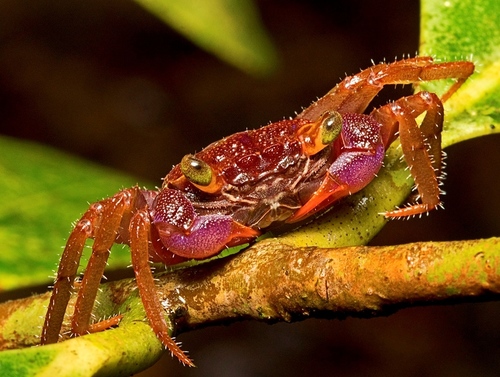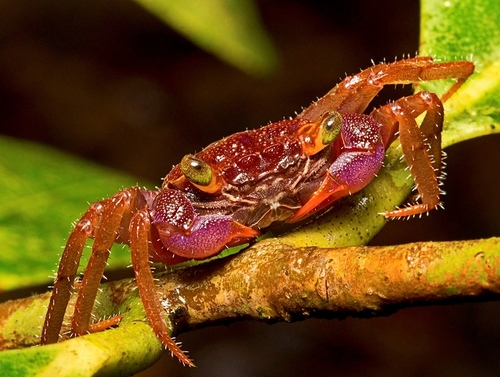
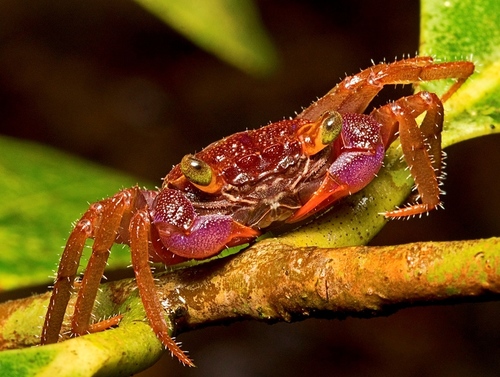
Golden Eye / Golden Top Crab
Geosesarma sp.
In Stock
Common stock
Wild Caught
Moderate care
Not Reef Safe
SKU: 01-F-01-016-20
Discover the unique charm of the Golden Eye Crab, a colorful addition to freshwater tanks.
Pricing for Verified Importers
Log in to see wholesale prices and order.
Export Size
up to 5.0 cm
Origin
Southeast Asia
Temperature
24.0–28.0°C
Min. Tank Size
30 L
pH
6.50–7.50
Diet
omnivore
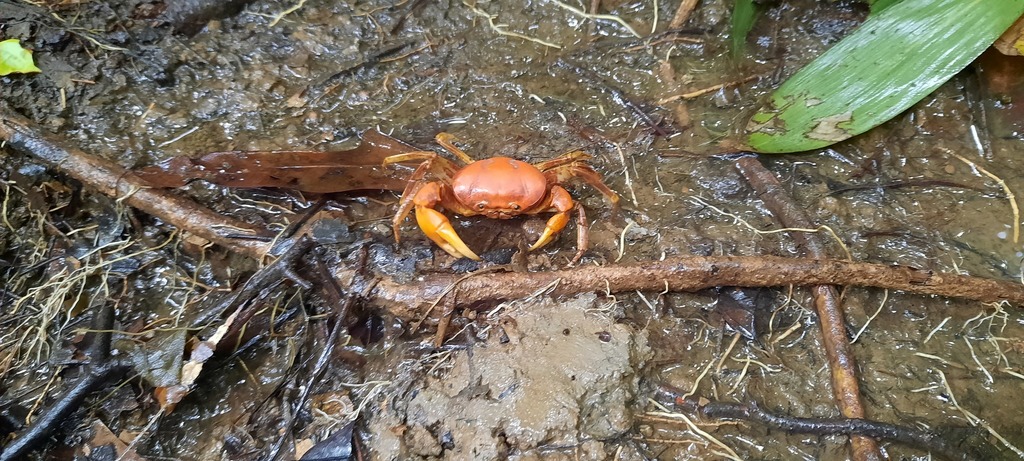
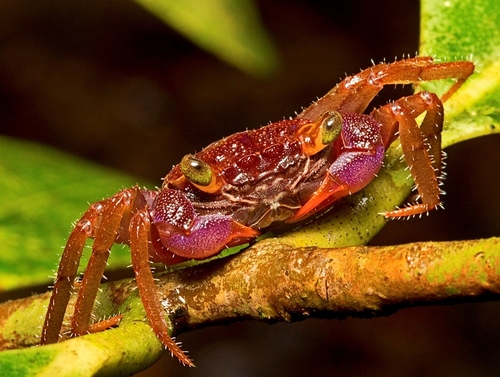
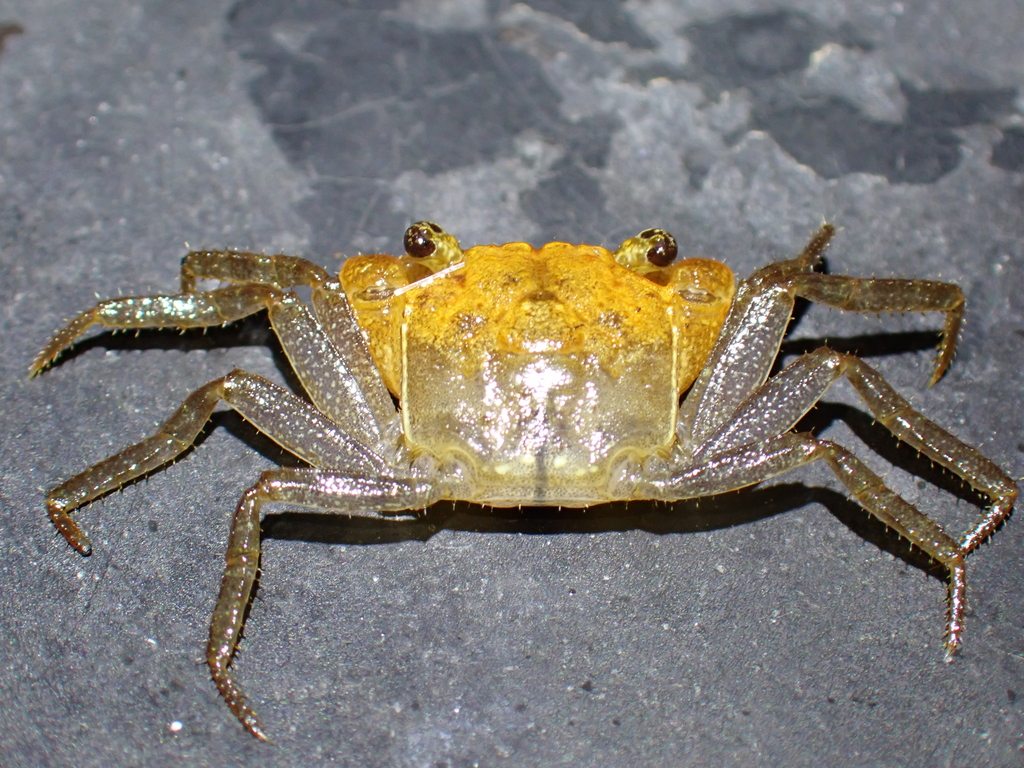
The Golden Eye, or Golden Top Crab (Geosesarma sp.), stands out as a vibrant and fascinating invertebrate native to the freshwater environments of Southeast Asia, particularly in Bali, Indonesia. Known for its striking golden eyes and a vivid coloration that ranges from orange to red, this species captivates aquarists and adds a splash of color to aquatic displays. Its compact size and unique adaptations make it an intriguing option for both hobbyists and professionals in the aquatic trade.
In terms of natural history, the Golden Eye Crab is typically found in brackish waters along riverbanks and mangrove forests, where it thrives among rocks and vegetation. Its habitat is crucial for maintaining its health and behavior; they prefer areas with ample hiding spots and plenty of detritus to forage. Their diet mainly consists of organic matter, algae, and detritus, which they scavenge from their surroundings, showcasing their role in the ecosystem as both scavengers and algae controllers.
Behaviorally, Golden Eye Crabs are known for their active and social nature. They often engage in climbing and are highly territorial, displaying unique postures and coloration changes when asserting dominance. This behavior can be fascinating for observers, making them an engaging species to keep in aquariums. Though they can be aggressive towards one another, providing ample space and hiding spots can help mitigate territorial disputes.
Overall, the Golden Eye Crab is not just an aesthetically pleasing species; it also plays an important role in maintaining the ecological balance within its habitat. Its adaptability to different environments makes it a resilient and attractive choice for aquarists looking to diversify their freshwater stock.
In terms of natural history, the Golden Eye Crab is typically found in brackish waters along riverbanks and mangrove forests, where it thrives among rocks and vegetation. Its habitat is crucial for maintaining its health and behavior; they prefer areas with ample hiding spots and plenty of detritus to forage. Their diet mainly consists of organic matter, algae, and detritus, which they scavenge from their surroundings, showcasing their role in the ecosystem as both scavengers and algae controllers.
Behaviorally, Golden Eye Crabs are known for their active and social nature. They often engage in climbing and are highly territorial, displaying unique postures and coloration changes when asserting dominance. This behavior can be fascinating for observers, making them an engaging species to keep in aquariums. Though they can be aggressive towards one another, providing ample space and hiding spots can help mitigate territorial disputes.
Overall, the Golden Eye Crab is not just an aesthetically pleasing species; it also plays an important role in maintaining the ecological balance within its habitat. Its adaptability to different environments makes it a resilient and attractive choice for aquarists looking to diversify their freshwater stock.
For successful care of Golden Eye Crabs, maintaining optimal water parameters is crucial. They thrive in a temperature range of 24-28°C and require a pH of 6.5-7.5. It's essential to keep the water clean and well-filtered, as these crabs can be sensitive to poor water quality. Regular water changes will help maintain a stable environment.
Feeding the Golden Eye Crab is relatively straightforward. They are omnivores and should be offered a varied diet including high-quality sinking pellets, blanched vegetables, and occasional protein sources like live or frozen foods. Ensure that food is small enough for them to manage easily. Compatibility with other species can vary; they can coexist with peaceful fish and invertebrates but may display aggression towards their kind if space is limited.
Acclimation to a new environment should be done slowly to reduce stress. It’s recommended to float the bag containing the crabs in the tank for about 15-20 minutes before releasing them. Additionally, a quarantine period of 2-4 weeks is advisable to monitor for any signs of disease or stress before introducing them to a community tank. Providing a well-structured habitat with plenty of hiding spots will greatly enhance their well-being.
Feeding the Golden Eye Crab is relatively straightforward. They are omnivores and should be offered a varied diet including high-quality sinking pellets, blanched vegetables, and occasional protein sources like live or frozen foods. Ensure that food is small enough for them to manage easily. Compatibility with other species can vary; they can coexist with peaceful fish and invertebrates but may display aggression towards their kind if space is limited.
Acclimation to a new environment should be done slowly to reduce stress. It’s recommended to float the bag containing the crabs in the tank for about 15-20 minutes before releasing them. Additionally, a quarantine period of 2-4 weeks is advisable to monitor for any signs of disease or stress before introducing them to a community tank. Providing a well-structured habitat with plenty of hiding spots will greatly enhance their well-being.
Golden Eye Crabs are suitable for shipping, provided they are packed securely with sufficient moisture and ventilation. Optimal packing density should be maintained to reduce stress during transit. Temperature sensitivity is a consideration; thus, shipping should ideally occur within the recommended temperature range of 24-28°C. As of now, they are not listed under CITES, making them easier to export.
Species Parameters
Max Adult Size
5.0 cm
Origin
Southeast Asia
Diet
omnivore
Temp Min
24.0 °C
Temp Max
28.0 °C
pH Min
6.50
pH Max
7.50
Min Tank
30 L