Blue Lila Hermit Crab
Coenobita lila
In Stock
Common stock
Wild Caught
Moderate care
Not Reef Safe
SKU: 01-F-01-045-02
Discover the vibrant Blue Lila Hermit Crab, a stunning addition to any aquatic collection.
Pricing for Verified Importers
Log in to see wholesale prices and order.
Export Size
up to 10.0 cm
Origin
Southeast Asia
Temperature
24.0–28.0°C
Min. Tank Size
50 L
pH
7.00–8.50
Diet
omnivore
The Blue Lila Hermit Crab (Coenobita lila) is an intriguing species of land hermit crab native to the tropical regions of Southeast Asia, particularly found in Singapore, Malaysia, and Indonesia. This species is well-known for its striking blue coloration, which makes it a visually appealing choice for aquarists and collectors. Belonging to the genus Coenobita, these crabs are terrestrial but are often found near coastal areas and mangroves, showcasing their unique adaptability to both land and aquatic environments.
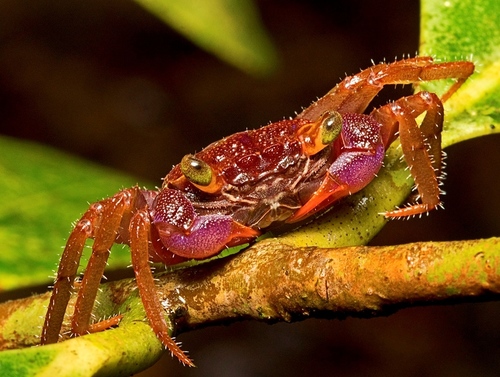
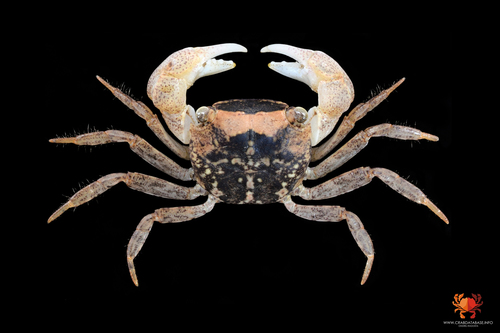
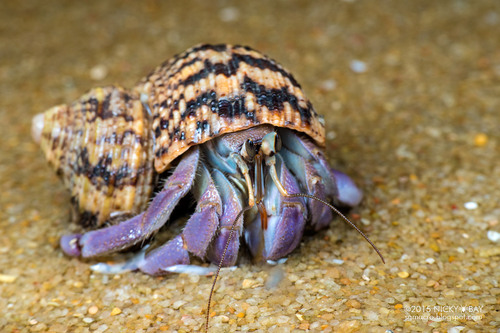
In terms of appearance, Coenobita lila is characterized by its bright blue shell and body, which can vary in intensity among individuals. The vibrant hues serve not only as a beautiful display but also as a form of camouflage in their natural habitat. These crabs possess a strong exoskeleton and are known for their ability to inhabit abandoned shells of other mollusks, which they modify to fit their needs. This behavior is crucial for their protection against predators.
Behaviorally, the Blue Lila Hermit Crab is social and often thrives in groups. They exhibit fascinating interactions, such as shell exchanges and communal foraging. Their diet primarily consists of detritus, algae, and decaying plant material, making them vital contributors to the ecosystem. In their natural habitat, they are often seen scavenging and playing a role in the nutrient cycle.
Habitat-wise, Coenobita lila typically resides in coastal areas with abundant vegetation, such as mangroves and sandy beaches. They require a humid environment to thrive, as they are susceptible to desiccation. Their preference for moist microhabitats makes them an ideal species for collectors looking to create a dynamic and engaging environment in aquariums or terrariums.
In terms of appearance, Coenobita lila is characterized by its bright blue shell and body, which can vary in intensity among individuals. The vibrant hues serve not only as a beautiful display but also as a form of camouflage in their natural habitat. These crabs possess a strong exoskeleton and are known for their ability to inhabit abandoned shells of other mollusks, which they modify to fit their needs. This behavior is crucial for their protection against predators.
Behaviorally, the Blue Lila Hermit Crab is social and often thrives in groups. They exhibit fascinating interactions, such as shell exchanges and communal foraging. Their diet primarily consists of detritus, algae, and decaying plant material, making them vital contributors to the ecosystem. In their natural habitat, they are often seen scavenging and playing a role in the nutrient cycle.
Habitat-wise, Coenobita lila typically resides in coastal areas with abundant vegetation, such as mangroves and sandy beaches. They require a humid environment to thrive, as they are susceptible to desiccation. Their preference for moist microhabitats makes them an ideal species for collectors looking to create a dynamic and engaging environment in aquariums or terrariums.
For optimal care of the Blue Lila Hermit Crab, maintaining appropriate environmental parameters is crucial. The ideal temperature range for these crabs is between 24°C to 28°C, with a relative humidity level of 70% to 80%. They require a substrate that can retain moisture, such as coconut coir or sand, to facilitate burrowing and provide a comfortable habitat.
Feeding these crabs is relatively straightforward, as they are omnivorous scavengers. A varied diet that includes high-quality pellets, dried seaweed, and fresh fruits and vegetables will ensure they receive the necessary nutrients. It's essential to supplement their diet with calcium sources for shell health and growth.
In terms of compatibility, Blue Lila Hermit Crabs can be housed with other non-aggressive species, but care should be taken to avoid overcrowding. Acclimation to new environments should be gradual, allowing them to adjust to changes in temperature and humidity. A quarantine period of at least two weeks is recommended for new arrivals to monitor for any signs of stress or disease before introducing them to a main tank.
Feeding these crabs is relatively straightforward, as they are omnivorous scavengers. A varied diet that includes high-quality pellets, dried seaweed, and fresh fruits and vegetables will ensure they receive the necessary nutrients. It's essential to supplement their diet with calcium sources for shell health and growth.
In terms of compatibility, Blue Lila Hermit Crabs can be housed with other non-aggressive species, but care should be taken to avoid overcrowding. Acclimation to new environments should be gradual, allowing them to adjust to changes in temperature and humidity. A quarantine period of at least two weeks is recommended for new arrivals to monitor for any signs of stress or disease before introducing them to a main tank.
The Blue Lila Hermit Crab is suitable for shipping, provided proper care is taken during transport. They should be packed in breathable containers with adequate moisture to prevent desiccation. A packing density of 5-10 individuals per container is recommended to minimize stress. These crabs are sensitive to temperature fluctuations; maintaining a stable temperature between 24°C and 28°C during transit is essential. As of now, Coenobita lila does not have any CITES restrictions, making it easier for exporters and importers to handle.
Species Parameters
Max Adult Size
10.0 cm
Origin
Southeast Asia
Diet
omnivore
Temp Min
24.0 °C
Temp Max
28.0 °C
pH Min
7.00
pH Max
8.50
Min Tank
50 L