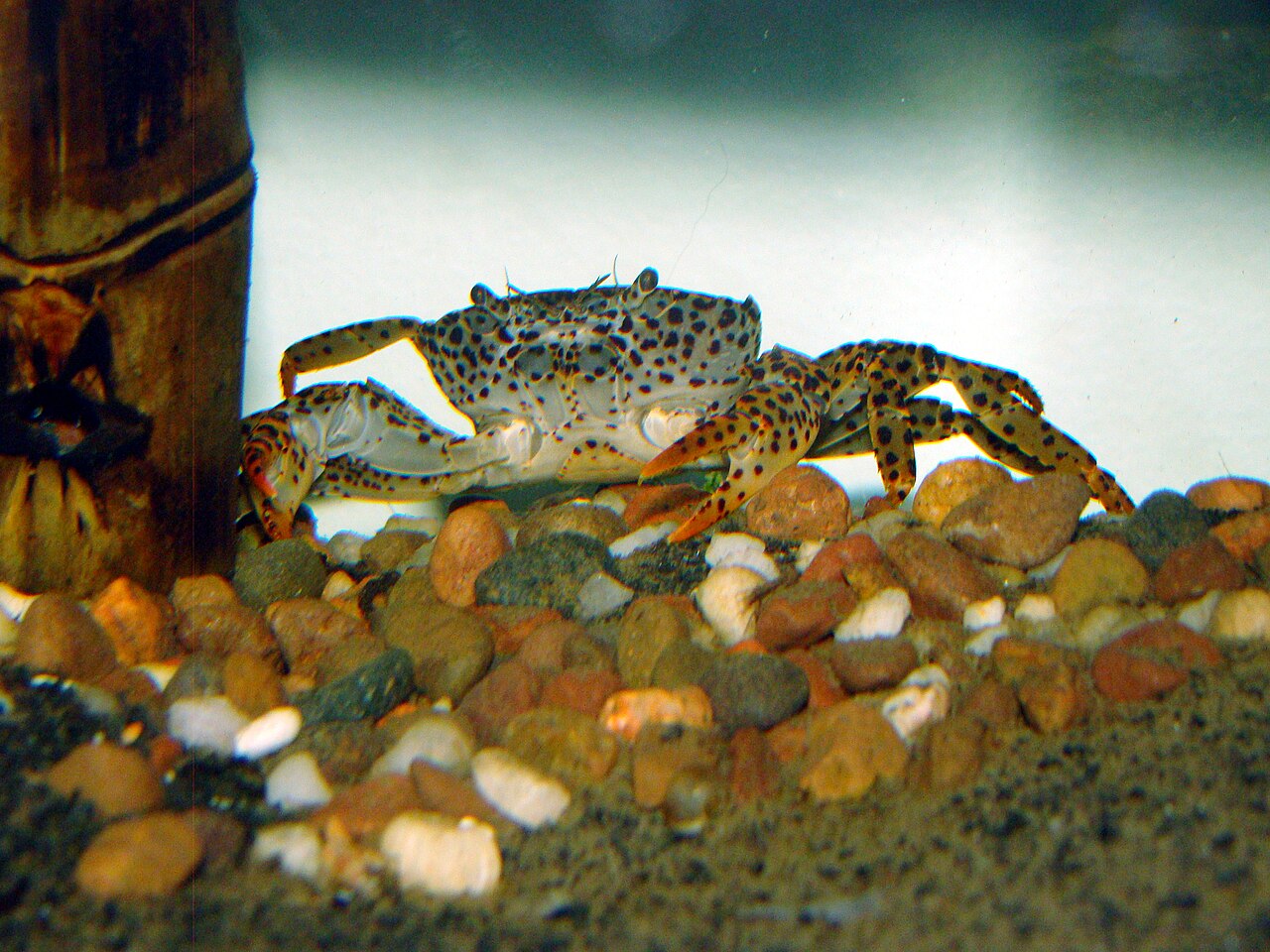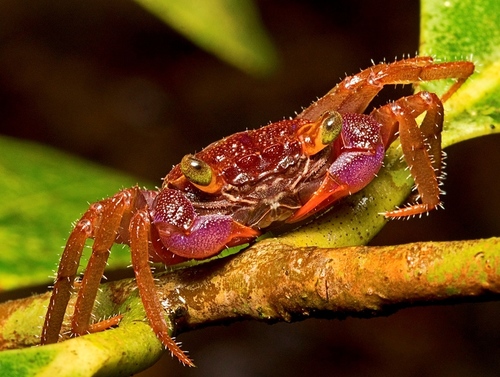
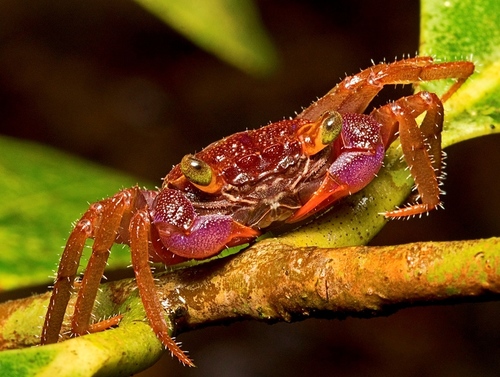
Halloween / Orange Black Crab
Geosesarma sp.
In Stock
Common stock
Wild Caught
Moderate care
Not Reef Safe
SKU: 01-F-01-015-20
The Halloween Crab dazzles with its vibrant colors and unique patterns.
Pricing for Verified Importers
Log in to see wholesale prices and order.
Export Size
up to 5.0 cm
Origin
Southeast Asia
Temperature
24.0–28.0°C
Min. Tank Size
30 L
pH
6.50–7.50
Diet
omnivore
The Halloween Crab, scientifically known as Geosesarma sp., is a captivating freshwater invertebrate native to the lush mangrove forests of Southeast Asia, particularly found in Bali, Indonesia. This species is renowned for its striking orange and black coloration, which provides an eye-catching aesthetic for aquarists and adds a splash of vibrancy to any aquatic setup. With a compact size and a charming appearance, these crabs are a favorite among hobbyists looking to introduce unique species into their aquariums.
In terms of natural history, these crabs thrive in brackish environments, often found in areas where freshwater and seawater mix. Their habitat includes muddy substrates, mangrove roots, and areas with abundant vegetation, which offer both shelter and foraging opportunities. Halloween Crabs are primarily nocturnal, exhibiting a range of behaviors that include climbing, hiding, and foraging during the night, making them both intriguing and active inhabitants of the aquarium.
The Halloween Crab is characterized by its small size, typically reaching up to 5 cm in width. Their bodies are adorned with a striking pattern of bright orange and deep black, serving both as camouflage among mangrove roots and as a warning to potential predators. With their small, robust claws and sociable nature, these crabs often display interesting interactions, especially during feeding or when establishing territory within the tank.
Overall, the Halloween Crab is not only a visually stunning species but also provides aquarists with a unique opportunity to observe the behaviors of a fascinating invertebrate. Their playful nature, combined with their striking appearance, makes them a delightful addition to any freshwater aquarium setup, especially for those looking to enhance their collection with exotic species from the Coral Triangle region.
In terms of natural history, these crabs thrive in brackish environments, often found in areas where freshwater and seawater mix. Their habitat includes muddy substrates, mangrove roots, and areas with abundant vegetation, which offer both shelter and foraging opportunities. Halloween Crabs are primarily nocturnal, exhibiting a range of behaviors that include climbing, hiding, and foraging during the night, making them both intriguing and active inhabitants of the aquarium.
The Halloween Crab is characterized by its small size, typically reaching up to 5 cm in width. Their bodies are adorned with a striking pattern of bright orange and deep black, serving both as camouflage among mangrove roots and as a warning to potential predators. With their small, robust claws and sociable nature, these crabs often display interesting interactions, especially during feeding or when establishing territory within the tank.
Overall, the Halloween Crab is not only a visually stunning species but also provides aquarists with a unique opportunity to observe the behaviors of a fascinating invertebrate. Their playful nature, combined with their striking appearance, makes them a delightful addition to any freshwater aquarium setup, especially for those looking to enhance their collection with exotic species from the Coral Triangle region.
To ensure the well-being of Halloween Crabs, it's crucial to maintain specific water parameters. These crabs prefer a temperature range of 24-28°C and a pH level between 6.5 and 7.5. Since they inhabit brackish environments in the wild, a low salinity level can be beneficial but is not necessary for a freshwater aquarium. A minimum tank size of 30 liters is recommended to provide adequate space for exploration and territorial establishment.
Feeding these crabs requires a varied diet to maintain their health. They are omnivorous, enjoying a diet that includes high-quality pellets, blanched vegetables, and occasional protein sources such as shrimp or fish. It's essential to avoid overfeeding, as uneaten food can pollute the water. Compatibility with other species is generally good, but caution should be taken with smaller fish that may be seen as food.
Acclimation is crucial when introducing Halloween Crabs to a new environment. Slowly acclimate them to the tank's water conditions over a few hours to reduce stress. A quarantine period of at least two weeks is recommended to monitor for any signs of disease before adding them to a display tank. Providing hiding spots with rocks, driftwood, or plants will help them feel secure in their new habitat.
Feeding these crabs requires a varied diet to maintain their health. They are omnivorous, enjoying a diet that includes high-quality pellets, blanched vegetables, and occasional protein sources such as shrimp or fish. It's essential to avoid overfeeding, as uneaten food can pollute the water. Compatibility with other species is generally good, but caution should be taken with smaller fish that may be seen as food.
Acclimation is crucial when introducing Halloween Crabs to a new environment. Slowly acclimate them to the tank's water conditions over a few hours to reduce stress. A quarantine period of at least two weeks is recommended to monitor for any signs of disease before adding them to a display tank. Providing hiding spots with rocks, driftwood, or plants will help them feel secure in their new habitat.
Halloween Crabs are suitable for shipping due to their hard exoskeletons, which provide some protection during transit. Optimal packing density should allow for adequate space to prevent stress or injury. It is important to maintain a temperature range of 24-28°C during shipping to ensure their health. As a freshwater species, they are not listed under CITES, simplifying export regulations.
Species Parameters
Max Adult Size
5.0 cm
Origin
Southeast Asia
Diet
omnivore
Temp Min
24.0 °C
Temp Max
28.0 °C
pH Min
6.50
pH Max
7.50
Min Tank
30 L