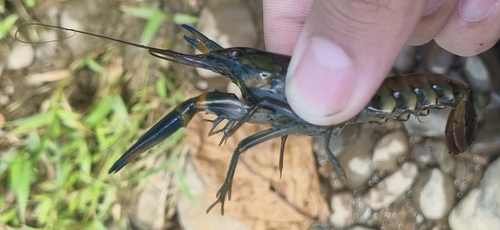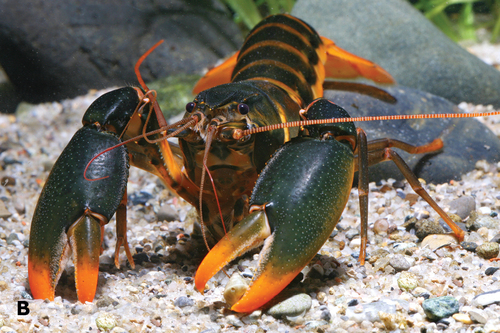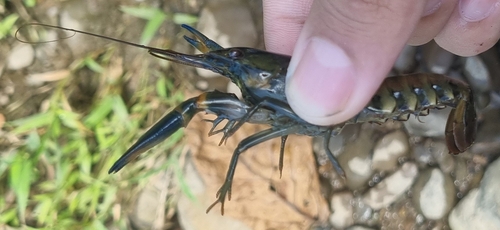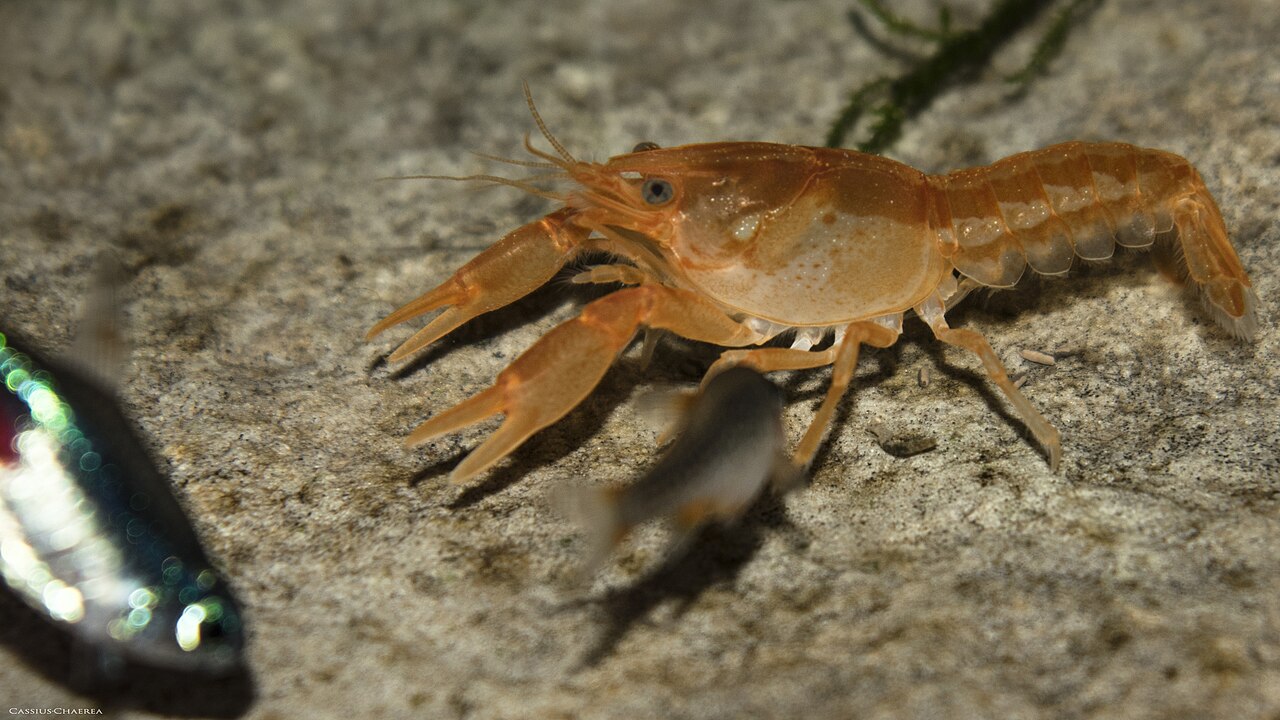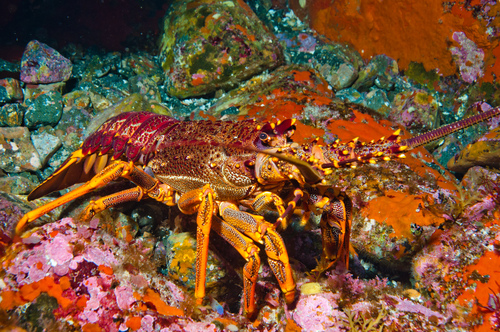
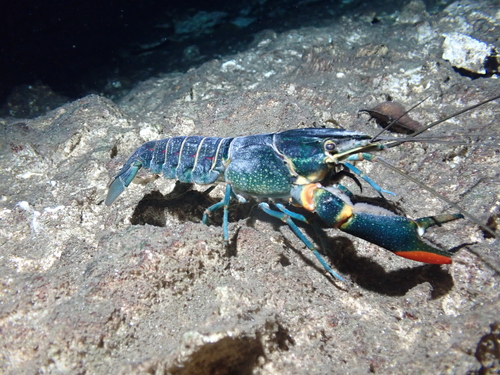
Blue Lobster
Cherax quadricarinatus
In Stock
Common stock
Wild Caught
Moderate care
Not Reef Safe
SKU: 01-C-01-005-04
The Blue Lobster is a striking freshwater crayfish, prized for its vibrant color and unique appearance.
Pricing for Verified Importers
Log in to see wholesale prices and order.
Export Size
up to 15.0 cm
Origin
Southeast Asia
Temperature
22.0–28.0°C
Min. Tank Size
100 L
pH
6.50–8.00
Diet
omnivore
Cherax quadricarinatus, commonly known as the Blue Lobster, is a captivating species of freshwater crayfish native to Australia. It is renowned for its stunning blue coloration, which can vary from a bright azure to a deeper cobalt blue, depending on environmental factors and diet. Its striking appearance makes it a popular choice among aquarists and collectors alike. This species exhibits a robust body structure, with a carapace that can grow to an impressive length, showcasing its natural beauty.
In the wild, Blue Lobsters inhabit freshwater habitats such as rivers, lakes, and swamps, where they typically seek refuge in crevices, under rocks, or within aquatic vegetation. They are nocturnal creatures, exhibiting a preference for low-light conditions, which allows them to forage for food and avoid predators. Blue Lobsters are known for their active behavior, often engaging in burrowing and exploring their surroundings, which adds a dynamic element to any aquarium setup.
Behaviorally, Cherax quadricarinatus is relatively social but can be territorial, especially during breeding seasons. Males may display aggressive behaviors towards one another, necessitating adequate space and hiding spots in captivity. In terms of reproduction, they are oviparous, with females carrying fertilized eggs under their tails until they hatch, which contributes to the population sustainability in their natural habitats.
The Blue Lobster's vibrant coloration and engaging behaviors make it an excellent addition to freshwater aquariums. Its adaptability to various water conditions and dietary preferences further enhance its appeal to aquarists seeking to create a lively and colorful aquatic environment.
When caring for Blue Lobsters, it is crucial to maintain specific water parameters to ensure their health and well-being. Ideal water temperature ranges between 22°C and 28°C, with a pH level between 6.5 and 8.0. A minimum tank size of 100 liters is recommended to provide ample space for these active creatures. It is important to include plenty of hiding places and structures to reduce territorial disputes and stress among individuals.
Feeding Blue Lobsters involves providing a balanced diet that includes high-quality pellets, fresh vegetables, and occasional protein sources such as shrimp or fish. They are omnivores and thrive on a varied diet, which promotes vibrant coloration and optimal growth. Compatibility with other species should be approached with caution; they can coexist with non-aggressive fish but may pose a threat to smaller tank mates.
Acclimation is vital when introducing Blue Lobsters to a new environment. Gradually acclimate them by floating the sealed bag in the aquarium for about 30 minutes before releasing them to avoid shock. Quarantine new arrivals for at least two weeks to monitor for any signs of disease or stress. This practice helps minimize the risk of introducing pathogens into established tanks.
The Blue Lobster is suitable for shipping, provided appropriate care is taken to maintain optimal conditions. They should be packed in sturdy containers with adequate water and air supply to ensure their safety during transit. Temperature sensitivity is a concern, so it is recommended to ship within the 22-28°C range. The species is not listed on CITES, simplifying export regulations.
Species Parameters
Max Adult Size
15.0 cm
Origin
Southeast Asia
Diet
omnivore
Temp Min
22.0 °C
Temp Max
28.0 °C
pH Min
6.50
pH Max
8.00
Min Tank
100 L