Papua Blue Sky Claw Crayfish
Cherax lorentzi
Out of Stock
Scarce stock
Wild Caught
Moderate care
Not Reef Safe
SKU: 01-C-01-062-06
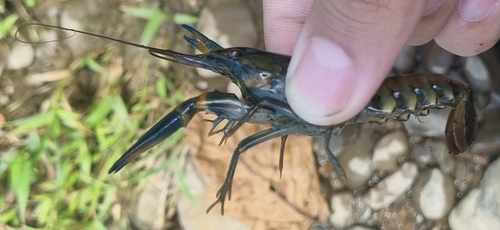
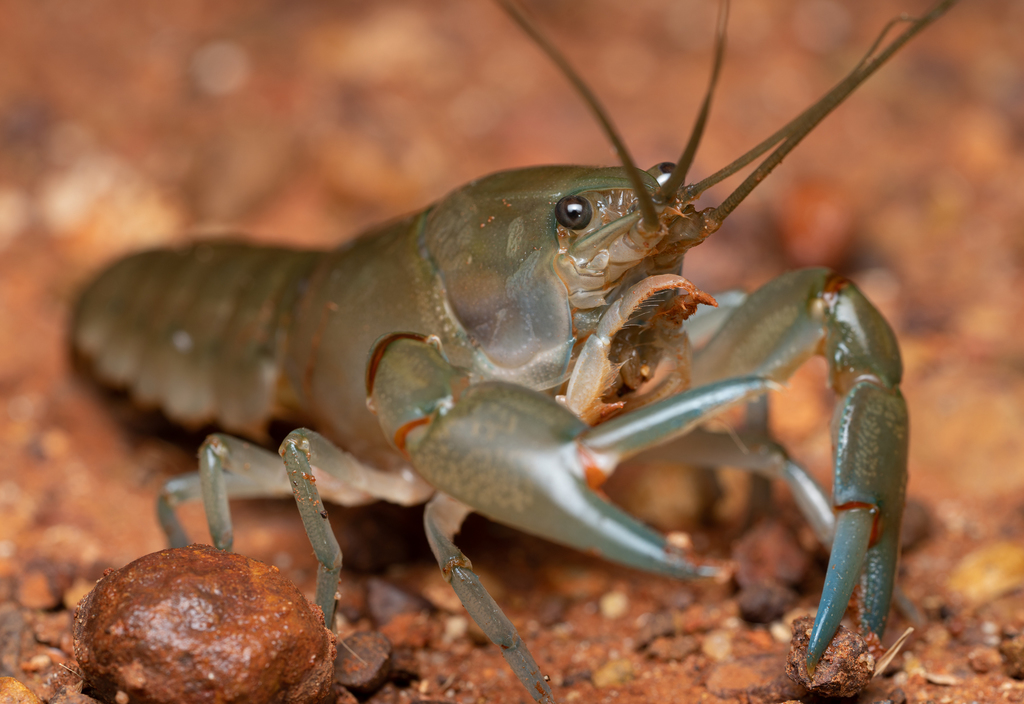
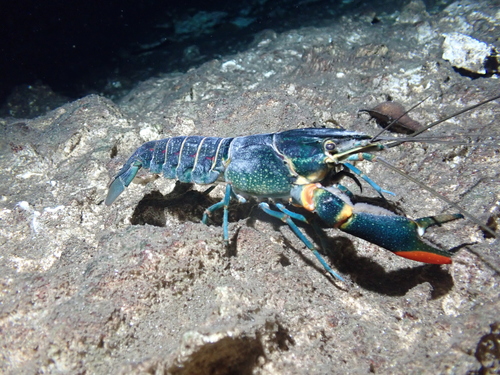
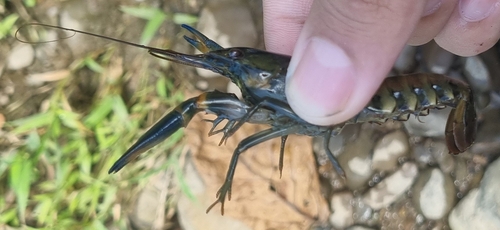
The Papua Blue Sky Claw Crayfish dazzles with its vibrant blue coloration and unique claw structure.
Pricing for Verified Importers
Log in to see wholesale prices and order.
Export Size
up to 15.0 cm
Origin
Southeast Asia
Temperature
22.0–28.0°C
Min. Tank Size
100 L
pH
6.50–7.50
Diet
omnivore
Cherax lorentzi, commonly known as the Papua Blue Sky Claw Crayfish, is a striking freshwater invertebrate native to the pristine waters of Papua New Guinea. This species is renowned for its eye-catching blue hue, which is particularly vivid in mature individuals, making them a favorite among aquarists and collectors. Their claws, characterized by a distinctive sky blue color, not only serve a functional purpose in foraging but also enhance their aesthetic appeal in aquarium displays.
In their natural habitat, the Papua Blue Sky Claw Crayfish thrives in freshwater rivers and streams, where they inhabit rocky crevices and submerged vegetation. They prefer environments rich in organic matter, which provides both food and shelter from predators. This species is primarily nocturnal, exhibiting a range of behaviors that include scavenging for food and engaging in territorial displays, particularly during mating season. Their social interactions can be quite complex, often involving dominance hierarchies based on size and coloration.
The diet of Cherax lorentzi is omnivorous, consisting of detritus, algae, and small invertebrates. They play a crucial role in their ecosystem by helping to maintain the balance of detrital food webs. As they grow, these crayfish exhibit a fascinating molting process, shedding their exoskeletons to accommodate their increasing size. This process is critical for their growth and health but can make them vulnerable to predation during the molting phase.
Due to their unique coloration and interesting behavior, the Papua Blue Sky Claw Crayfish has gained popularity in the aquarium trade. However, it is essential to ensure that individuals are sourced sustainably and responsibly to protect their natural populations. This species is not currently listed under CITES, allowing for easier export from its native regions.
In their natural habitat, the Papua Blue Sky Claw Crayfish thrives in freshwater rivers and streams, where they inhabit rocky crevices and submerged vegetation. They prefer environments rich in organic matter, which provides both food and shelter from predators. This species is primarily nocturnal, exhibiting a range of behaviors that include scavenging for food and engaging in territorial displays, particularly during mating season. Their social interactions can be quite complex, often involving dominance hierarchies based on size and coloration.
The diet of Cherax lorentzi is omnivorous, consisting of detritus, algae, and small invertebrates. They play a crucial role in their ecosystem by helping to maintain the balance of detrital food webs. As they grow, these crayfish exhibit a fascinating molting process, shedding their exoskeletons to accommodate their increasing size. This process is critical for their growth and health but can make them vulnerable to predation during the molting phase.
Due to their unique coloration and interesting behavior, the Papua Blue Sky Claw Crayfish has gained popularity in the aquarium trade. However, it is essential to ensure that individuals are sourced sustainably and responsibly to protect their natural populations. This species is not currently listed under CITES, allowing for easier export from its native regions.
To ensure the health and vitality of the Papua Blue Sky Claw Crayfish, specific water parameters must be maintained. Ideal conditions include a temperature range of 22-28°C and a pH level between 6.5 and 7.5. A minimum tank size of 100 liters is recommended to provide ample space for swimming and hiding. The substrate should consist of fine sand or smooth gravel to prevent injury during foraging.
Feeding these crayfish is relatively straightforward, as they are omnivorous. A balanced diet of high-quality pellets, supplemented with blanched vegetables and occasional protein sources such as shrimp or fish, will ensure they receive the necessary nutrients. It is advisable to feed them small amounts multiple times a week rather than overfeeding, which can lead to water quality issues.
When introducing Papua Blue Sky Claw Crayfish to a community tank, it is crucial to consider compatibility. They may exhibit territorial behavior, particularly with other crustaceans or smaller fish, so careful selection of tank mates is necessary. Acclimation should be done gradually, utilizing the drip method to adjust them to their new environment. Quarantine new arrivals for at least two weeks to monitor for any signs of disease and prevent potential outbreaks in your main tank.
Feeding these crayfish is relatively straightforward, as they are omnivorous. A balanced diet of high-quality pellets, supplemented with blanched vegetables and occasional protein sources such as shrimp or fish, will ensure they receive the necessary nutrients. It is advisable to feed them small amounts multiple times a week rather than overfeeding, which can lead to water quality issues.
When introducing Papua Blue Sky Claw Crayfish to a community tank, it is crucial to consider compatibility. They may exhibit territorial behavior, particularly with other crustaceans or smaller fish, so careful selection of tank mates is necessary. Acclimation should be done gradually, utilizing the drip method to adjust them to their new environment. Quarantine new arrivals for at least two weeks to monitor for any signs of disease and prevent potential outbreaks in your main tank.
The Papua Blue Sky Claw Crayfish is suitable for shipping due to its hardiness, but care must be taken to maintain stable water temperatures during transit. They should be packed in breathable containers with adequate space to prevent stress and injury. A packing density of 1-2 individuals per liter is recommended, with insulation provided to regulate temperature. Regular checks for health and vitality are essential before shipping to ensure a successful delivery.
Species Parameters
Max Adult Size
15.0 cm
Origin
Southeast Asia
Diet
omnivore
Temp Min
22.0 °C
Temp Max
28.0 °C
pH Min
6.50
pH Max
7.50
Min Tank
100 L