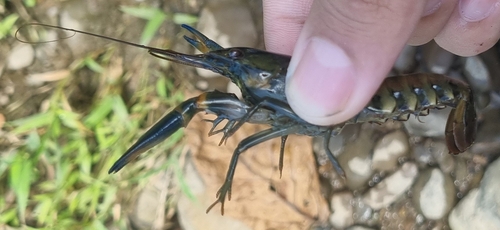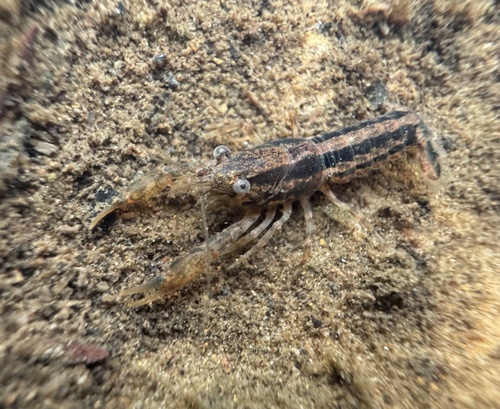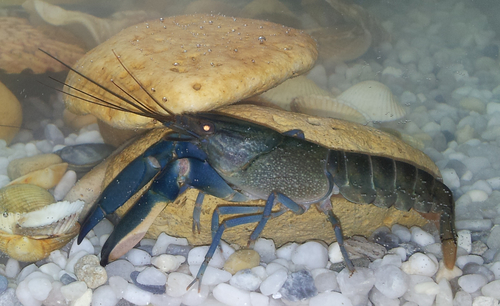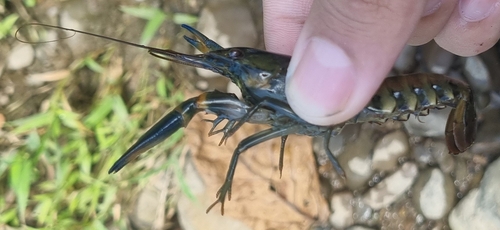
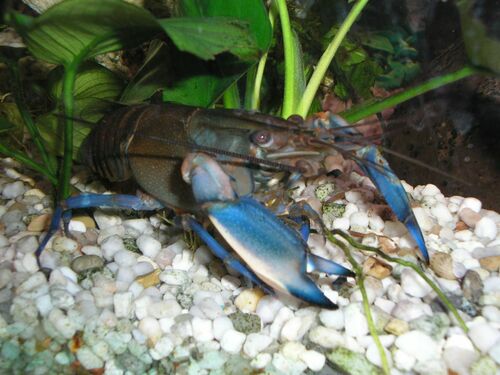
Papua APRICOT Crayfish
Cherax holthuisi var apricot
In Stock
Common stock
Wild Caught
Moderate care
Not Reef Safe
SKU: 01-C-01-025-06
Discover the vibrant Papua APRICOT Crayfish, a unique addition to freshwater aquariums.
Pricing for Verified Importers
Log in to see wholesale prices and order.
Export Size
up to 15.0 cm
Origin
Southeast Asia
Temperature
22.0–28.0°C
Min. Tank Size
100 L
pH
6.50–7.50
Diet
omnivore
The Papua APRICOT Crayfish (Cherax holthuisi var apricot) is a striking freshwater invertebrate native to the rivers and streams of Papua, Indonesia. This species is renowned for its stunning apricot-colored exoskeleton, which adds a splash of color to any aquarium setting. Its vibrant hue is not only visually appealing but also serves as a unique identifier among other crayfish species, making it a sought-after choice for aquatic enthusiasts and collectors alike.
In terms of natural history, the Papua APRICOT Crayfish thrives in freshwater habitats characterized by rocky substrates and abundant aquatic vegetation. These crayfish are primarily nocturnal, showcasing active foraging behaviors during the night. During the day, they often seek refuge in crevices and under stones, which helps them avoid predators. Their diet consists of detritus, plant material, and small invertebrates, making them opportunistic feeders that play a vital role in their ecosystem.
Behaviorally, Papua APRICOT Crayfish are known for their territorial nature, especially during mating season. Males will establish and defend specific territories, while females are often found with their young during the breeding period. This species exhibits fascinating social interactions, including aggressive displays and communication through body language and chemical signals.
The habitat of the Papua APRICOT Crayfish is typically characterized by clean, flowing waters with abundant cover. They prefer slightly acidic to neutral pH levels and thrive in environments rich in natural vegetation, which provides both food and shelter. Conservation of their natural habitat is essential, as this species is sensitive to pollution and habitat degradation.
In terms of natural history, the Papua APRICOT Crayfish thrives in freshwater habitats characterized by rocky substrates and abundant aquatic vegetation. These crayfish are primarily nocturnal, showcasing active foraging behaviors during the night. During the day, they often seek refuge in crevices and under stones, which helps them avoid predators. Their diet consists of detritus, plant material, and small invertebrates, making them opportunistic feeders that play a vital role in their ecosystem.
Behaviorally, Papua APRICOT Crayfish are known for their territorial nature, especially during mating season. Males will establish and defend specific territories, while females are often found with their young during the breeding period. This species exhibits fascinating social interactions, including aggressive displays and communication through body language and chemical signals.
The habitat of the Papua APRICOT Crayfish is typically characterized by clean, flowing waters with abundant cover. They prefer slightly acidic to neutral pH levels and thrive in environments rich in natural vegetation, which provides both food and shelter. Conservation of their natural habitat is essential, as this species is sensitive to pollution and habitat degradation.
When caring for Papua APRICOT Crayfish, it is crucial to maintain optimal water parameters to ensure their health and well-being. The ideal temperature range is between 22°C to 28°C, with a pH level between 6.5 and 7.5. Since they are freshwater species, salinity levels should be maintained at zero. A minimum tank size of 100 liters is recommended to give them ample space to roam and establish territories.
Feeding these crayfish is straightforward, as they are omnivores. A varied diet that includes high-quality pellets, blanched vegetables, and occasional protein sources like bloodworms will keep them healthy. Regular feeding should be balanced to avoid overfeeding, which can lead to water quality issues.
Compatibility is an essential factor when housing Papua APRICOT Crayfish. They are best kept with similarly sized fish that are not aggressive, as their territorial nature can lead to conflicts. It's advisable to avoid keeping them with smaller fish, which may be seen as prey. Acclimation should be done slowly to reduce stress, especially when introducing them into a new environment. Quarantine new arrivals for at least two weeks to prevent the introduction of diseases into the main aquarium.
Feeding these crayfish is straightforward, as they are omnivores. A varied diet that includes high-quality pellets, blanched vegetables, and occasional protein sources like bloodworms will keep them healthy. Regular feeding should be balanced to avoid overfeeding, which can lead to water quality issues.
Compatibility is an essential factor when housing Papua APRICOT Crayfish. They are best kept with similarly sized fish that are not aggressive, as their territorial nature can lead to conflicts. It's advisable to avoid keeping them with smaller fish, which may be seen as prey. Acclimation should be done slowly to reduce stress, especially when introducing them into a new environment. Quarantine new arrivals for at least two weeks to prevent the introduction of diseases into the main aquarium.
Papua APRICOT Crayfish are suitable for air shipping, provided they are packed securely to minimize movement and stress. Recommended packing density is 1-2 crayfish per liter of water, ensuring adequate space during transport. They are sensitive to temperature fluctuations, so maintaining a stable environment during shipping is essential. Currently, there are no CITES restrictions on this species, facilitating smoother export processes.
Species Parameters
Max Adult Size
15.0 cm
Origin
Southeast Asia
Diet
omnivore
Temp Min
22.0 °C
Temp Max
28.0 °C
pH Min
6.50
pH Max
7.50
Min Tank
100 L