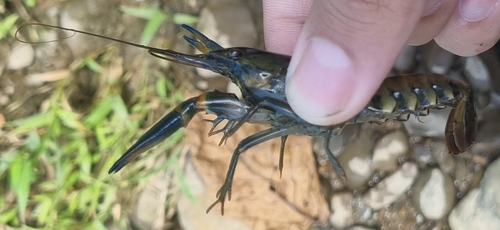
Papua Black Kong Crayfish
Cherax lorentzi
In Stock
Common stock
Wild Caught
Moderate care
Not Reef Safe
SKU: 01-C-01-052-06
The Papua Black Kong Crayfish is a striking freshwater invertebrate known for its unique coloration and adaptability.
Pricing for Verified Importers
Log in to see wholesale prices and order.
Export Size
up to 15.0 cm
Origin
Southeast Asia
Temperature
22.0–28.0°C
Min. Tank Size
100 L
pH
6.50–8.00
Diet
omnivore
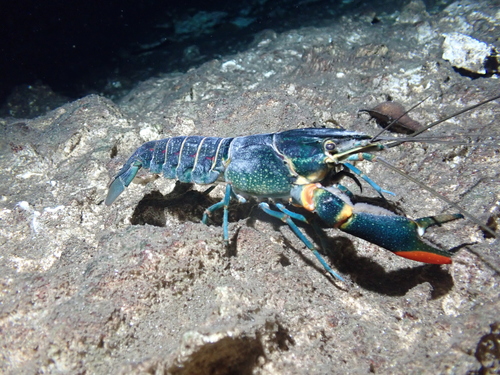
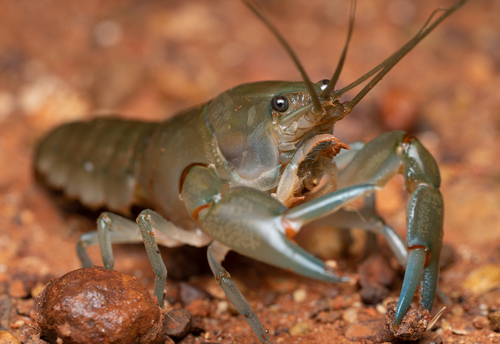
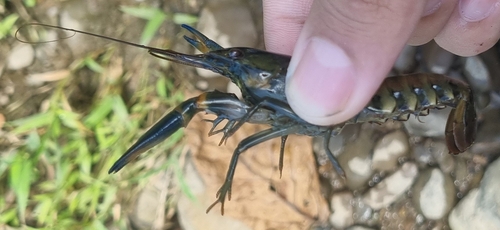
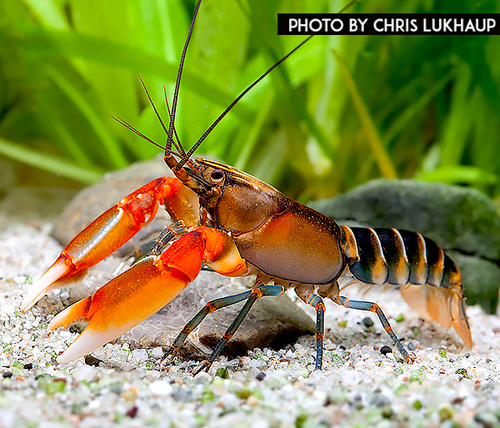
The Papua Black Kong Crayfish (Cherax lorentzi) is a fascinating species native to the freshwater ecosystems of Papua New Guinea and Indonesia. This aquatic invertebrate is renowned for its dark, almost jet-black exoskeleton, which provides it with excellent camouflage among the rocky substrates of its natural habitat. The vibrant coloration can vary slightly among individuals, with some exhibiting hues of deep blue or purple under specific lighting conditions. Its impressive size and robust structure make it a notable choice for aquarium enthusiasts and importers alike.
In terms of natural history, the Papua Black Kong Crayfish thrives in a variety of freshwater environments, including rivers, streams, and ponds, often preferring areas with ample hiding spots such as submerged logs and dense vegetation. They are primarily nocturnal, becoming more active during the night when they forage for food. Their diet consists of both plant material and small invertebrates, showcasing their omnivorous nature. This adaptability to different food sources is beneficial for aquarists aiming to provide a balanced diet in captivity.
Behaviorally, these crayfish are known to display territorial tendencies, particularly during mating seasons or when establishing dominance within their environment. They are generally peaceful but can become aggressive towards other similar-sized invertebrates or crayfish. Careful consideration should be taken when stocking them in community tanks. The Papua Black Kong Crayfish also exhibits interesting behaviors such as burrowing, which can help aerate the substrate and contribute to a healthier aquarium ecosystem.
Overall, these crayfish not only serve as a stunning visual addition to aquariums but also play a vital role in maintaining the ecological balance of their habitats. Their unique characteristics and intriguing behaviors make them a prized species for freshwater aquarists and wholesalers.
In terms of natural history, the Papua Black Kong Crayfish thrives in a variety of freshwater environments, including rivers, streams, and ponds, often preferring areas with ample hiding spots such as submerged logs and dense vegetation. They are primarily nocturnal, becoming more active during the night when they forage for food. Their diet consists of both plant material and small invertebrates, showcasing their omnivorous nature. This adaptability to different food sources is beneficial for aquarists aiming to provide a balanced diet in captivity.
Behaviorally, these crayfish are known to display territorial tendencies, particularly during mating seasons or when establishing dominance within their environment. They are generally peaceful but can become aggressive towards other similar-sized invertebrates or crayfish. Careful consideration should be taken when stocking them in community tanks. The Papua Black Kong Crayfish also exhibits interesting behaviors such as burrowing, which can help aerate the substrate and contribute to a healthier aquarium ecosystem.
Overall, these crayfish not only serve as a stunning visual addition to aquariums but also play a vital role in maintaining the ecological balance of their habitats. Their unique characteristics and intriguing behaviors make them a prized species for freshwater aquarists and wholesalers.
For optimal health and growth, the Papua Black Kong Crayfish requires a minimum tank size of 100 liters, providing ample space for swimming and hiding. The water temperature should be maintained between 22°C and 28°C, with a pH level ranging from 6.5 to 8.0. Ideal water hardness should be in the range of 6 to 12 dGH. Regular water changes and good filtration are essential to maintain high water quality, as these crayfish are sensitive to poor water conditions.
Feeding should consist of a balanced diet that includes high-quality pellets, blanched vegetables, and occasional protein sources like bloodworms or brine shrimp. This diverse diet ensures they receive the necessary nutrients for growth and vitality. When introducing Papua Black Kong Crayfish into a community tank, it is crucial to avoid housing them with smaller fish or invertebrates that may be seen as prey.
Acclimation is vital when introducing new specimens; a slow drip acclimation method is recommended to minimize stress. Quarantine procedures should be implemented to prevent the introduction of diseases into established tanks. Observing these crayfish for any signs of stress or disease during the acclimation period will help ensure their successful transition into their new environment.
Feeding should consist of a balanced diet that includes high-quality pellets, blanched vegetables, and occasional protein sources like bloodworms or brine shrimp. This diverse diet ensures they receive the necessary nutrients for growth and vitality. When introducing Papua Black Kong Crayfish into a community tank, it is crucial to avoid housing them with smaller fish or invertebrates that may be seen as prey.
Acclimation is vital when introducing new specimens; a slow drip acclimation method is recommended to minimize stress. Quarantine procedures should be implemented to prevent the introduction of diseases into established tanks. Observing these crayfish for any signs of stress or disease during the acclimation period will help ensure their successful transition into their new environment.
The Papua Black Kong Crayfish is suitable for shipping due to its hardiness. When packing for export, a density of 1-2 individuals per liter is recommended to minimize stress. Maintain a temperature range between 20°C and 25°C during transit to ensure their health. This species is not listed under CITES, simplifying the export process.
Species Parameters
Max Adult Size
15.0 cm
Origin
Southeast Asia
Diet
omnivore
Temp Min
22.0 °C
Temp Max
28.0 °C
pH Min
6.50
pH Max
8.00
Min Tank
100 L