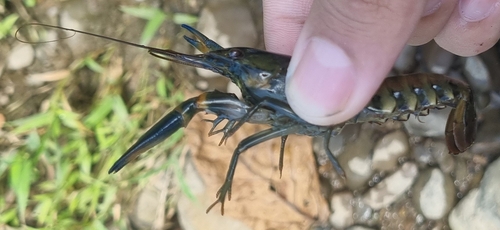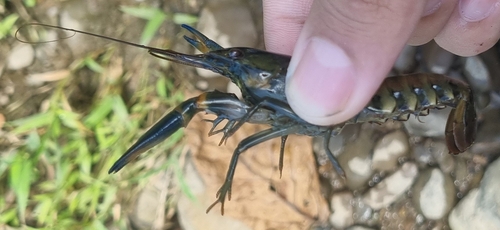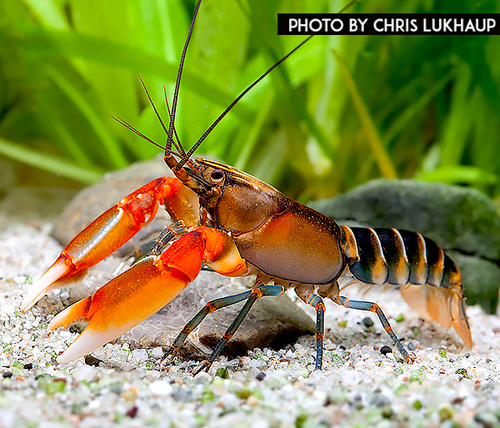
Papua Zebra Tiger Crayfish
Cherax peknyi
Out of Stock
Scarce stock
Wild Caught
Easy care
Not Reef Safe
SKU: 01-C-01-020-06
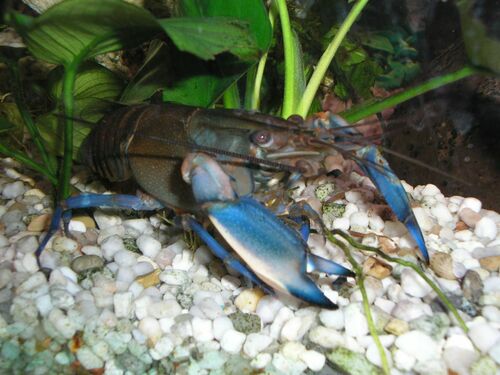
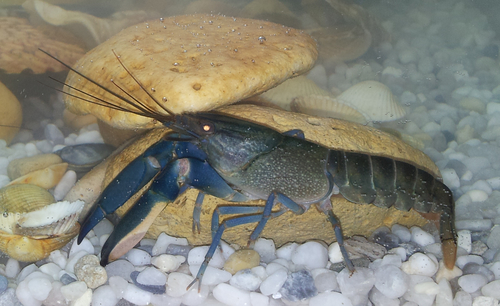
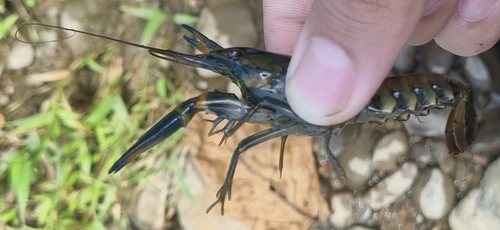
The Papua Zebra Tiger Crayfish is a striking and unique invertebrate native to Indonesia.
Pricing for Verified Importers
Log in to see wholesale prices and order.
Export Size
up to 12.0 cm
Origin
Southeast Asia
Temperature
20.0–26.0°C
Min. Tank Size
100 L
pH
6.50–7.50
Diet
omnivore
The Papua Zebra Tiger Crayfish (Cherax peknyi) is a fascinating species of freshwater invertebrate indigenous to the rivers and lakes of Papua, Indonesia. Known for its vibrant coloration and distinctive zebra-like stripes, this crayfish captivates aquarists and collectors alike. They exhibit a fascinating mix of blues, greens, and blacks, making them stand out in any aquarium setting. Their robust claws and elongated bodies further contribute to their allure, making them a popular choice for both hobbyists and commercial aquarists.
In terms of natural history, the Papua Zebra Tiger Crayfish thrives in freshwater habitats with abundant vegetation and rocky substrates. These habitats provide essential cover from predators and contribute to their diet of detritus, algae, and small invertebrates. They are known to be somewhat territorial, particularly during breeding seasons, often establishing small burrows in the substrate to safeguard their young. This behavior not only aids in their survival but also highlights their adaptability to different environments.
Behaviorally, these crayfish are primarily nocturnal, becoming more active during the night when they forage and explore their surroundings. Their social structure is complex, with hierarchies often established based on size and strength. This species can exhibit both aggressive and peaceful interactions, depending on the presence of rivals or mates. Observing these interactions can provide aquarists with insights into their social dynamics.
The Papua Zebra Tiger Crayfish is well adapted to life in freshwater ecosystems, often found in areas with slow-moving water and ample hiding spots. This species plays a crucial role in its ecosystem by helping to aerate the substrate and recycle nutrients, making it an important addition to any freshwater tank setup.
In terms of natural history, the Papua Zebra Tiger Crayfish thrives in freshwater habitats with abundant vegetation and rocky substrates. These habitats provide essential cover from predators and contribute to their diet of detritus, algae, and small invertebrates. They are known to be somewhat territorial, particularly during breeding seasons, often establishing small burrows in the substrate to safeguard their young. This behavior not only aids in their survival but also highlights their adaptability to different environments.
Behaviorally, these crayfish are primarily nocturnal, becoming more active during the night when they forage and explore their surroundings. Their social structure is complex, with hierarchies often established based on size and strength. This species can exhibit both aggressive and peaceful interactions, depending on the presence of rivals or mates. Observing these interactions can provide aquarists with insights into their social dynamics.
The Papua Zebra Tiger Crayfish is well adapted to life in freshwater ecosystems, often found in areas with slow-moving water and ample hiding spots. This species plays a crucial role in its ecosystem by helping to aerate the substrate and recycle nutrients, making it an important addition to any freshwater tank setup.
For successful care of Papua Zebra Tiger Crayfish, maintaining optimal water parameters is crucial. They thrive in temperatures ranging from 22°C to 26°C, with a pH level between 6.5 and 7.5. It is important to provide a spacious aquarium with a minimum tank size of 100 liters to accommodate their active nature and territorial behavior. Adequate filtration and regular water changes are necessary to ensure a clean environment, as these crayfish are sensitive to poor water quality.
Feeding should consist of a varied diet, including high-quality pellets, blanched vegetables, and occasional protein sources such as bloodworms or shrimp. This omnivorous diet ensures they receive the necessary nutrients for optimal health and growth. Compatibility with other species can be a concern, as they may exhibit aggression towards smaller tank mates; therefore, it is advisable to house them with similarly sized or larger fish and invertebrates.
Acclimation is essential when introducing new crayfish to an aquarium. It is recommended to use the drip acclimation method to minimize stress and shock. Quarantine new arrivals for at least two weeks to monitor for any signs of disease before adding them to the main tank. Proper care and attention to their needs will result in a thriving and vibrant population of Papua Zebra Tiger Crayfish for your customers.
Feeding should consist of a varied diet, including high-quality pellets, blanched vegetables, and occasional protein sources such as bloodworms or shrimp. This omnivorous diet ensures they receive the necessary nutrients for optimal health and growth. Compatibility with other species can be a concern, as they may exhibit aggression towards smaller tank mates; therefore, it is advisable to house them with similarly sized or larger fish and invertebrates.
Acclimation is essential when introducing new crayfish to an aquarium. It is recommended to use the drip acclimation method to minimize stress and shock. Quarantine new arrivals for at least two weeks to monitor for any signs of disease before adding them to the main tank. Proper care and attention to their needs will result in a thriving and vibrant population of Papua Zebra Tiger Crayfish for your customers.
The Papua Zebra Tiger Crayfish is suited for shipping with proper care. It is recommended to pack them in breathable bags with sufficient water and oxygen to ensure their well-being during transit. A packing density of 1-2 individuals per liter is ideal to prevent stress and aggression. Maintain a temperature range between 20°C to 24°C during shipping, as they are sensitive to extreme temperatures. This species is not listed under CITES, making export regulations straightforward. However, it is advised to check local regulations before shipping.
Species Parameters
Max Adult Size
12.0 cm
Origin
Southeast Asia
Diet
omnivore
Temp Min
20.0 °C
Temp Max
26.0 °C
pH Min
6.50
pH Max
7.50
Min Tank
100 L