Papua RED Boesemani Crayfish (II)
Cherax boesemani
Out of Stock
Scarce stock
Wild Caught
Moderate care
Not Reef Safe
SKU: 01-C-01-030-06
The Papua RED Boesemani Crayfish is a vibrant and unique invertebrate, perfect for freshwater aquariums.
Pricing for Verified Importers
Log in to see wholesale prices and order.
Export Size
up to 10.0 cm
Origin
Southeast Asia
Temperature
22.0–28.0°C
Min. Tank Size
100 L
pH
6.50–7.50
Diet
omnivore
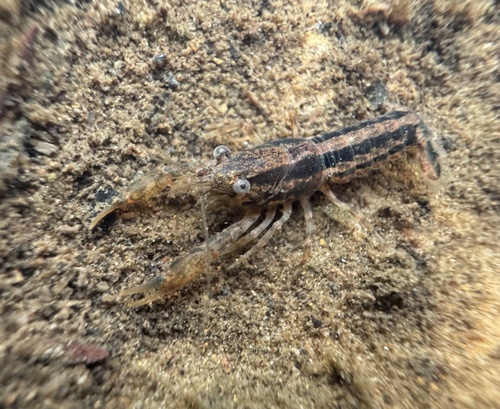
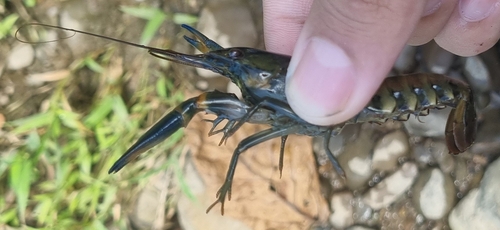
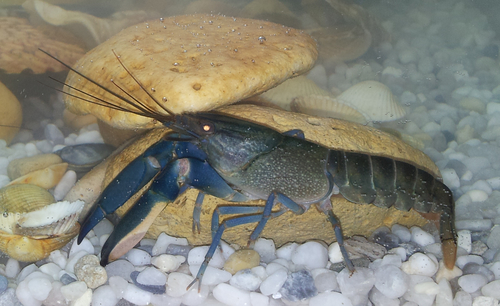
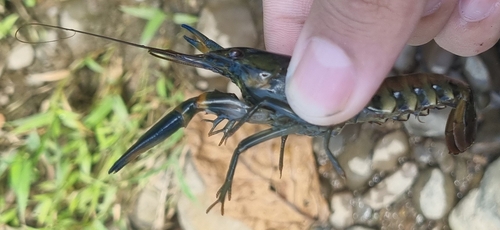
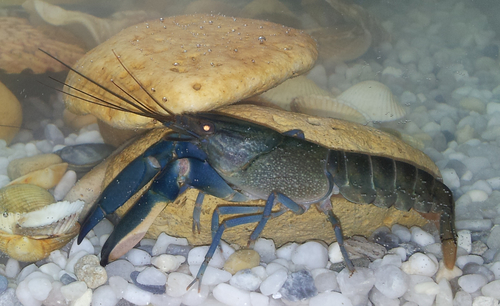
The Papua RED Boesemani Crayfish (Cherax boesemani) is a striking freshwater invertebrate native to the rivers and lakes of Papua, Indonesia. Known for their vibrant red and blue coloration, these crayfish exhibit a stunning appearance that captivates aquarium enthusiasts. They have a robust body structure with long, prominent claws, making them easily recognizable in any aquatic environment. Their bright colors and unique patterns are often accentuated by the presence of light, creating a breathtaking display in home aquariums.
These crayfish are known for their active behavior, often seen foraging and exploring their habitats. In the wild, they inhabit freshwater rivers, streams, and lakes rich in vegetation, which provides them with shelter and food sources. They are primarily nocturnal, becoming more active during the night as they hunt for food and interact with other aquatic life. This species exhibits territorial behavior, particularly males who may defend their space from other males, making it crucial for aquarists to provide ample hiding spots and space in community tanks.
In terms of social behavior, Papua RED Boesemani Crayfish can be kept in groups, but it is essential to monitor their interactions to prevent aggression. They thrive in well-planted tanks that mimic their natural habitat, with plenty of hiding places such as rocks, driftwood, and aquatic plants. When provided with a suitable environment, these crayfish can coexist with various freshwater fish and invertebrates, provided that their tank mates are not overly aggressive or much smaller in size.
The Papua RED Boesemani Crayfish is not only a beautiful addition to any aquarium but also plays a vital role in maintaining a balanced ecosystem in their habitat. Their natural scavenging behavior helps keep the substrate clean, making them an excellent choice for aquarists looking to enhance the ecological health of their tanks.
These crayfish are known for their active behavior, often seen foraging and exploring their habitats. In the wild, they inhabit freshwater rivers, streams, and lakes rich in vegetation, which provides them with shelter and food sources. They are primarily nocturnal, becoming more active during the night as they hunt for food and interact with other aquatic life. This species exhibits territorial behavior, particularly males who may defend their space from other males, making it crucial for aquarists to provide ample hiding spots and space in community tanks.
In terms of social behavior, Papua RED Boesemani Crayfish can be kept in groups, but it is essential to monitor their interactions to prevent aggression. They thrive in well-planted tanks that mimic their natural habitat, with plenty of hiding places such as rocks, driftwood, and aquatic plants. When provided with a suitable environment, these crayfish can coexist with various freshwater fish and invertebrates, provided that their tank mates are not overly aggressive or much smaller in size.
The Papua RED Boesemani Crayfish is not only a beautiful addition to any aquarium but also plays a vital role in maintaining a balanced ecosystem in their habitat. Their natural scavenging behavior helps keep the substrate clean, making them an excellent choice for aquarists looking to enhance the ecological health of their tanks.
To successfully care for Papua RED Boesemani Crayfish, maintaining stable water parameters is crucial. Ideal temperatures range from 22°C to 28°C, with a pH level of 6.5 to 7.5. They prefer soft to moderately hard water with a slight current, mimicking their natural river habitat. Regular water changes and good filtration are essential to keep the water clean and oxygenated.
Feeding these crayfish is straightforward, as they are omnivorous. A varied diet should include high-quality pellets, sinking tablets, and occasional treats like blanched vegetables or frozen food such as brine shrimp and bloodworms. It’s important to avoid overfeeding, as this can lead to water quality issues.
When introducing Papua RED Boesemani Crayfish into a community tank, it’s advisable to acclimate them slowly to reduce stress. Quarantine new arrivals for at least two weeks to monitor for any signs of disease before introducing them to a main tank. Due to their territorial nature, providing plenty of hiding spots and space is crucial to minimize aggression, especially among males.
Compatibility with other species is generally good, but care should be taken to avoid keeping them with very small fish, which they may view as prey. It’s best to keep them with fish of similar size that can tolerate the crayfish’s occasional territorial behavior.
Feeding these crayfish is straightforward, as they are omnivorous. A varied diet should include high-quality pellets, sinking tablets, and occasional treats like blanched vegetables or frozen food such as brine shrimp and bloodworms. It’s important to avoid overfeeding, as this can lead to water quality issues.
When introducing Papua RED Boesemani Crayfish into a community tank, it’s advisable to acclimate them slowly to reduce stress. Quarantine new arrivals for at least two weeks to monitor for any signs of disease before introducing them to a main tank. Due to their territorial nature, providing plenty of hiding spots and space is crucial to minimize aggression, especially among males.
Compatibility with other species is generally good, but care should be taken to avoid keeping them with very small fish, which they may view as prey. It’s best to keep them with fish of similar size that can tolerate the crayfish’s occasional territorial behavior.
Papua RED Boesemani Crayfish can be shipped successfully with proper care. They should be packed with sufficient water and air to maintain oxygen levels during transport. It is recommended to keep a packing density of 1 crayfish per liter to ensure their comfort. These crayfish are sensitive to temperature fluctuations, so maintaining a stable temperature between 22°C and 28°C during shipping is vital. They are not listed under CITES, making them easier to export.
Species Parameters
Max Adult Size
10.0 cm
Origin
Southeast Asia
Diet
omnivore
Temp Min
22.0 °C
Temp Max
28.0 °C
pH Min
6.50
pH Max
7.50
Min Tank
100 L