Papua RED Boesemani Crayfish (I)
Cherax boesemani
In Stock
Common stock
Wild Caught
Moderate care
Not Reef Safe
SKU: 01-C-01-028-06
The Papua RED Boesemani Crayfish boasts vibrant colors and unique personalities.
Pricing for Verified Importers
Log in to see wholesale prices and order.
Export Size
up to 15.0 cm
Origin
Southeast Asia
Temperature
22.0–28.0°C
Min. Tank Size
100 L
pH
6.50–7.50
Diet
omnivore
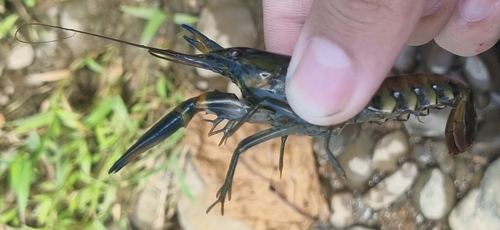
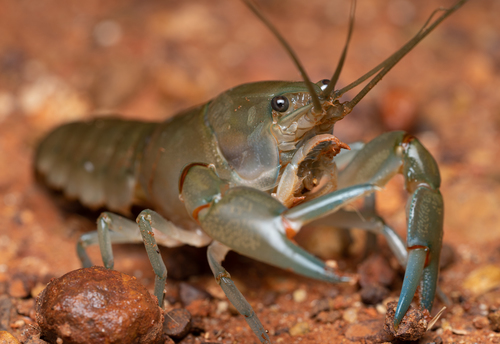
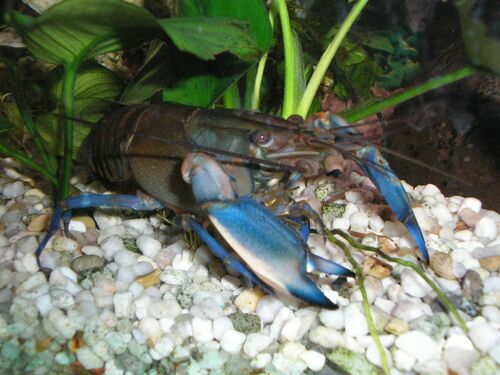
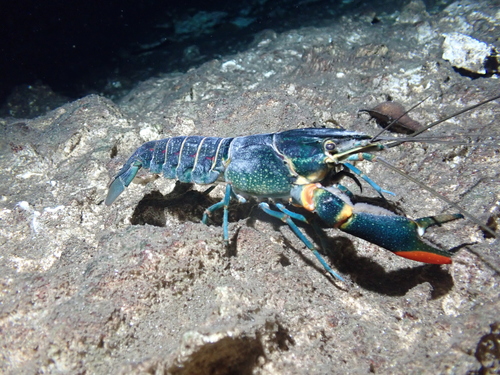
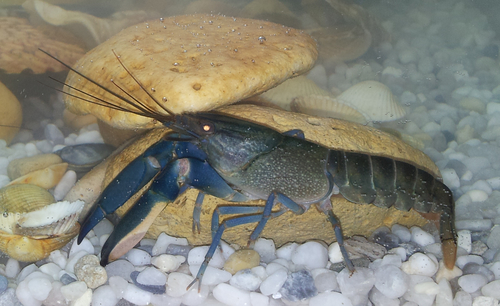
The Papua RED Boesemani Crayfish (Cherax boesemani) is a striking freshwater invertebrate native to the rivers and streams of Papua New Guinea and Indonesia. Known for its vivid red and blue coloration, this crayfish captivates aquarists and collectors alike. Its appearance is accentuated by long, slender claws that are not only functional for foraging but also serve as a display feature during mating rituals. As a member of the Cherax genus, it exhibits a robust body and can reach a maximum size of around 15 cm, making it an impressive addition to any freshwater aquarium.
In its natural habitat, the Papua RED Boesemani Crayfish thrives in densely vegetated areas, often hiding among rocks and plants. This species prefers freshwater environments with slow-moving waters rich in organic debris. Its diet in the wild consists of detritus, algae, and small invertebrates, showcasing its omnivorous feeding behavior. The crayfish displays a fascinating mix of territoriality and social interaction, often establishing hierarchies within communal tanks. They are known to be active scavengers, constantly foraging for food and exploring their surroundings.
Behaviorally, these crayfish exhibit a range of interesting traits. During the day, they tend to be more reclusive, seeking refuge in their hiding spots, while becoming increasingly active at night. This nocturnal behavior can lead to captivating displays as they interact with one another and their environment. The Papua RED Boesemani Crayfish is also known for its ability to molt, which is crucial for growth; this process can be a crucial observation point for aquarium owners, as stress levels in the environment can affect the frequency of molting.
In terms of conservation, the Papua RED Boesemani Crayfish is not currently listed on the IUCN Red List, indicating stable populations in its natural range. However, responsible sourcing and sustainable trade practices are essential to ensure the long-term viability of this beautiful species in the aquarium trade.
In its natural habitat, the Papua RED Boesemani Crayfish thrives in densely vegetated areas, often hiding among rocks and plants. This species prefers freshwater environments with slow-moving waters rich in organic debris. Its diet in the wild consists of detritus, algae, and small invertebrates, showcasing its omnivorous feeding behavior. The crayfish displays a fascinating mix of territoriality and social interaction, often establishing hierarchies within communal tanks. They are known to be active scavengers, constantly foraging for food and exploring their surroundings.
Behaviorally, these crayfish exhibit a range of interesting traits. During the day, they tend to be more reclusive, seeking refuge in their hiding spots, while becoming increasingly active at night. This nocturnal behavior can lead to captivating displays as they interact with one another and their environment. The Papua RED Boesemani Crayfish is also known for its ability to molt, which is crucial for growth; this process can be a crucial observation point for aquarium owners, as stress levels in the environment can affect the frequency of molting.
In terms of conservation, the Papua RED Boesemani Crayfish is not currently listed on the IUCN Red List, indicating stable populations in its natural range. However, responsible sourcing and sustainable trade practices are essential to ensure the long-term viability of this beautiful species in the aquarium trade.
To successfully care for the Papua RED Boesemani Crayfish, maintaining optimal water parameters is crucial. Ideal temperature ranges between 22°C to 28°C, with a pH level of 6.5 to 7.5. A minimum tank size of 100 liters is recommended to provide ample space for movement and territoriality. These crayfish thrive in well-aerated and filtered water, and regular water changes will help maintain a stable environment.
Feeding should consist of a balanced diet that includes high-quality pellets, blanched vegetables, and occasional protein sources such as shrimp or fish. It is important to provide a varied diet to promote health and coloration. Compatibility with other aquatic species is possible, but caution should be exercised; avoid keeping them with smaller fish or invertebrates that may be seen as potential prey.
When introducing new crayfish to an aquarium, a proper acclimation process is essential to minimize stress. Gradually acclimate them by floating the bag in the tank for about 15-20 minutes before releasing them. Quarantine new arrivals for at least two weeks to prevent the spread of diseases. Monitoring their behavior and health during this period is also recommended to ensure they adapt well to their new environment.
Feeding should consist of a balanced diet that includes high-quality pellets, blanched vegetables, and occasional protein sources such as shrimp or fish. It is important to provide a varied diet to promote health and coloration. Compatibility with other aquatic species is possible, but caution should be exercised; avoid keeping them with smaller fish or invertebrates that may be seen as potential prey.
When introducing new crayfish to an aquarium, a proper acclimation process is essential to minimize stress. Gradually acclimate them by floating the bag in the tank for about 15-20 minutes before releasing them. Quarantine new arrivals for at least two weeks to prevent the spread of diseases. Monitoring their behavior and health during this period is also recommended to ensure they adapt well to their new environment.
The Papua RED Boesemani Crayfish is suitable for shipping and can be packed in secure, breathable bags to ensure their safety during transit. It is important to maintain a stable temperature between 22°C to 28°C during shipping to avoid stress. Packing density should be moderate to allow for movement without risking injury. This species is not currently listed under CITES, simplifying export regulations.
Species Parameters
Max Adult Size
15.0 cm
Origin
Southeast Asia
Diet
omnivore
Temp Min
22.0 °C
Temp Max
28.0 °C
pH Min
6.50
pH Max
7.50
Min Tank
100 L