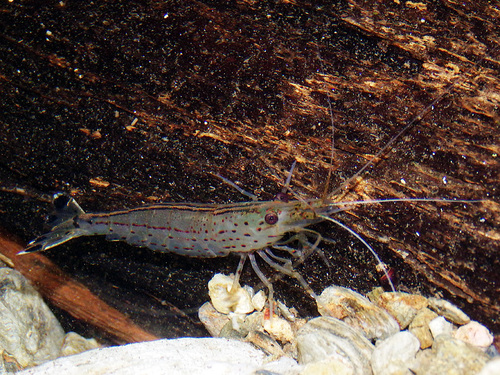
Amano Shrimp (Grade B & Captive Bred)
Caridina multidentata
In Stock
Common stock
Wild Caught
Moderate care
Not Reef Safe
SKU: 01-B-01-080-01
Amano Shrimp are exceptional algae eaters, perfect for maintaining aquarium cleanliness.
Pricing for Verified Importers
Log in to see wholesale prices and order.
Export Size
up to 5.0 cm
Origin
Southeast Asia
Temperature
20.0–24.0°C
Min. Tank Size
30 L
pH
6.50–7.50
Diet
omnivore
Caridina multidentata, commonly known as Amano Shrimp, are renowned for their remarkable ability to consume algae, making them a favorite among aquarium enthusiasts. Originally native to freshwater rivers and streams in Japan and Taiwan, this species has become a staple in aquascaping due to its aesthetic appeal and beneficial role in maintaining water quality. They are often referred to as Yamato or Japanese shrimp, highlighting their cultural significance in Asian aquariums.
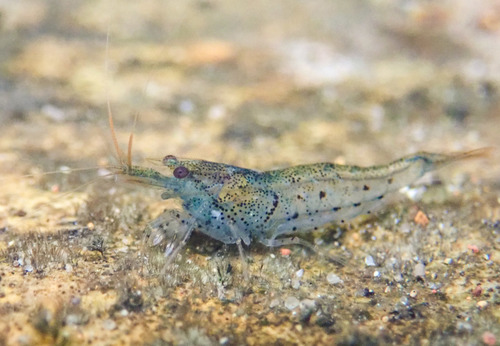
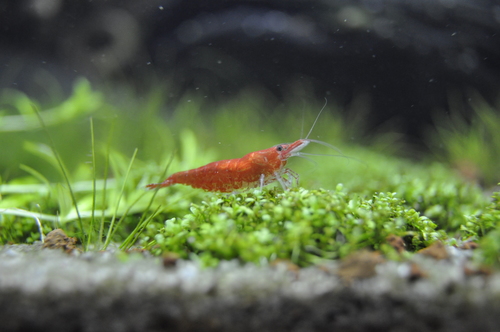
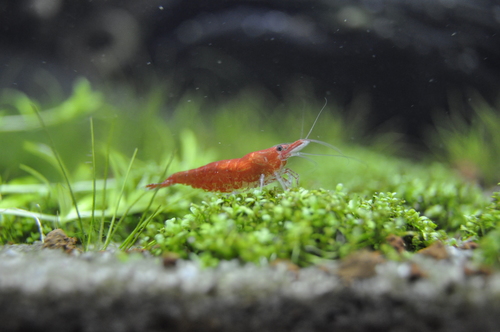
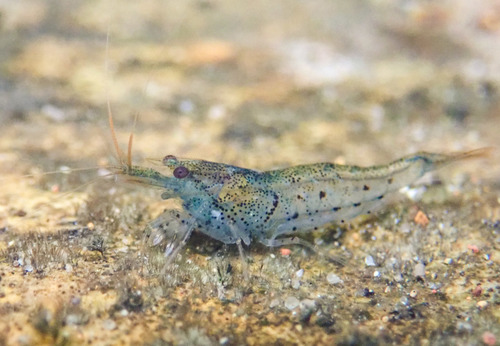
Amano Shrimp exhibit translucent bodies with a delicate coloration that can range from clear to light brown, often embellished with faint stripes. Adult specimens can grow up to 5 cm in length, showcasing a graceful form that adds visual interest to any aquarium setup. Their large, expressive eyes and long antennae give them a unique charm, allowing them to navigate their environment with ease. These shrimp are not only beautiful but also contribute to the ecological balance of the tank by consuming detritus and algae.
Social and peaceful, Amano Shrimp thrive in community tanks, coexisting harmoniously with various fish species and other invertebrates. They are most active during the day, foraging for food among plants and substrates. Their behavior is characterized by a curious nature, often seen exploring crevices and hiding spots. In the wild, they inhabit densely vegetated areas with plenty of hiding places, which is essential for their well-being in captivity.
Amano Shrimp prefer stable environments with ample plant life to mimic their natural habitat. Providing a well-planted aquarium not only offers shelter but also encourages natural foraging behavior. Their presence in a tank can help control algae growth, making them a sustainable choice for aquarists seeking to maintain a clean and healthy aquatic environment.
Amano Shrimp exhibit translucent bodies with a delicate coloration that can range from clear to light brown, often embellished with faint stripes. Adult specimens can grow up to 5 cm in length, showcasing a graceful form that adds visual interest to any aquarium setup. Their large, expressive eyes and long antennae give them a unique charm, allowing them to navigate their environment with ease. These shrimp are not only beautiful but also contribute to the ecological balance of the tank by consuming detritus and algae.
Social and peaceful, Amano Shrimp thrive in community tanks, coexisting harmoniously with various fish species and other invertebrates. They are most active during the day, foraging for food among plants and substrates. Their behavior is characterized by a curious nature, often seen exploring crevices and hiding spots. In the wild, they inhabit densely vegetated areas with plenty of hiding places, which is essential for their well-being in captivity.
Amano Shrimp prefer stable environments with ample plant life to mimic their natural habitat. Providing a well-planted aquarium not only offers shelter but also encourages natural foraging behavior. Their presence in a tank can help control algae growth, making them a sustainable choice for aquarists seeking to maintain a clean and healthy aquatic environment.
To ensure the well-being of Amano Shrimp, it's crucial to maintain optimal water parameters. They thrive in temperatures ranging from 20°C to 24°C and prefer a pH level between 6.5 and 7.5. A stable and clean environment is essential, so regular water changes and monitoring of ammonia, nitrite, and nitrate levels are recommended.
Feeding Amano Shrimp is relatively straightforward, as they are omnivorous and will consume a variety of foods. High-quality algae wafers, blanched vegetables, and specialized shrimp pellets should be included in their diet. It's essential to avoid overfeeding, as excess food can lead to water quality issues. Compatibility is one of Amano Shrimp's strong suits; they can coexist with many species of fish, but care should be taken with larger or aggressive fish that may see them as prey.
Acclimating Amano Shrimp to a new environment should be done gradually to minimize stress. Floating the sealed bag in the aquarium for 15-20 minutes helps equalize the temperature. After that, slowly introducing small amounts of aquarium water into the bag over an hour can aid in acclimation. A quarantine period of at least two weeks is recommended for new arrivals to ensure they are free from disease before introducing them to the main tank.
Feeding Amano Shrimp is relatively straightforward, as they are omnivorous and will consume a variety of foods. High-quality algae wafers, blanched vegetables, and specialized shrimp pellets should be included in their diet. It's essential to avoid overfeeding, as excess food can lead to water quality issues. Compatibility is one of Amano Shrimp's strong suits; they can coexist with many species of fish, but care should be taken with larger or aggressive fish that may see them as prey.
Acclimating Amano Shrimp to a new environment should be done gradually to minimize stress. Floating the sealed bag in the aquarium for 15-20 minutes helps equalize the temperature. After that, slowly introducing small amounts of aquarium water into the bag over an hour can aid in acclimation. A quarantine period of at least two weeks is recommended for new arrivals to ensure they are free from disease before introducing them to the main tank.
Amano Shrimp are well-suited for shipping, provided they are packed with care. A packing density of 10-15 shrimp per liter is recommended to ensure they have enough space to move while minimizing stress. Temperature sensitivity is moderate; maintaining a range of 20°C to 24°C during transport is crucial to their survival. As CITES does not list Caridina multidentata, no special permits are required for export.
Species Parameters
Max Adult Size
5.0 cm
Origin
Southeast Asia
Diet
omnivore
Temp Min
20.0 °C
Temp Max
24.0 °C
pH Min
6.50
pH Max
7.50
Min Tank
30 L