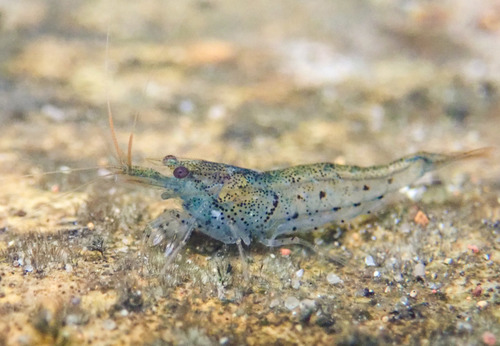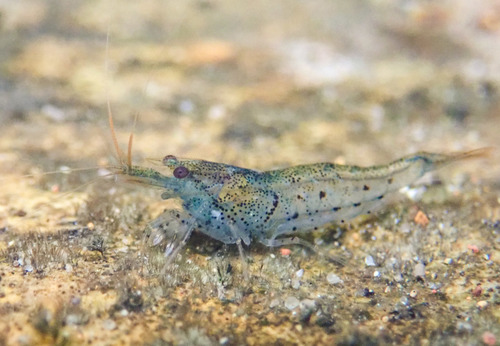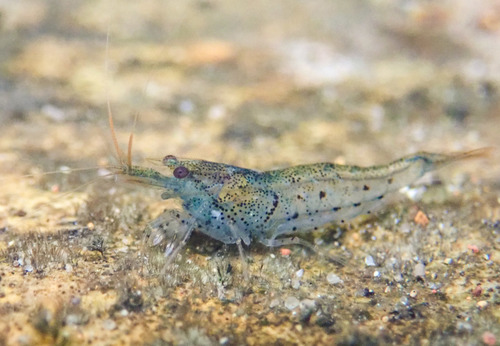
Shadow Panda Shrimp
Caridina cantonensis
In Stock
Common stock
Wild Caught
Moderate care
Not Reef Safe
SKU: 01-B-01-100-01
The Shadow Panda Shrimp is a stunning freshwater invertebrate known for its unique coloration and delicate nature.
Pricing for Verified Importers
Log in to see wholesale prices and order.
Export Size
up to 4.0 cm
Origin
Southeast Asia
Temperature
20.0–26.0°C
Min. Tank Size
20 L
pH
6.50–7.50
Diet
omnivore
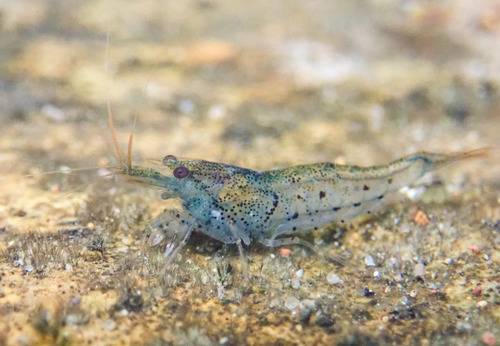
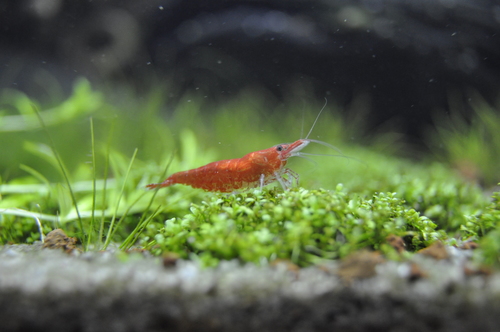
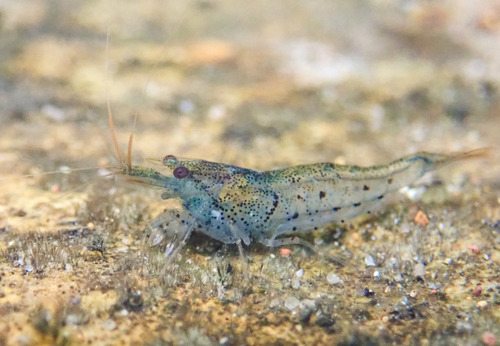
The Shadow Panda Shrimp (Caridina cantonensis) is a captivating species of freshwater shrimp that has gained popularity among aquarium enthusiasts and wholesalers alike. Native to the densely vegetated waters of Southeast Asia, this shrimp exhibits a striking appearance characterized by its black and white coloration, which resembles the beloved giant panda. This unique patterning not only makes the Shadow Panda Shrimp visually appealing, but also provides it with some camouflage against predators in its natural habitat.
In the wild, Shadow Panda Shrimp thrive in soft, slightly acidic waters with abundant plant life. They prefer densely vegetated areas where they can hide from larger fish and forage for food. Their natural habitat is typically rich in organic matter, which contributes to their diet of biofilm, algae, and decomposing plant materials. The peaceful nature of these shrimp allows them to coexist harmoniously with various tank mates, provided that the other species are not aggressive or large enough to view them as prey.
Behaviorally, Shadow Panda Shrimp are known to be quite social and often engage in activities such as foraging and cleaning together. They are most active during the day, making them a captivating addition to community aquariums. Their gentle demeanor and interesting behaviors make them an ideal choice for both novice and experienced aquarists seeking to enhance their tank's biodiversity.
This species is also relatively easy to breed in captivity, which has contributed to its availability in the aquarium trade. With the right conditions and care, hobbyists can enjoy watching these shrimp reproduce and raise their young, further adding to the allure of keeping Shadow Panda Shrimp in home aquariums.
In the wild, Shadow Panda Shrimp thrive in soft, slightly acidic waters with abundant plant life. They prefer densely vegetated areas where they can hide from larger fish and forage for food. Their natural habitat is typically rich in organic matter, which contributes to their diet of biofilm, algae, and decomposing plant materials. The peaceful nature of these shrimp allows them to coexist harmoniously with various tank mates, provided that the other species are not aggressive or large enough to view them as prey.
Behaviorally, Shadow Panda Shrimp are known to be quite social and often engage in activities such as foraging and cleaning together. They are most active during the day, making them a captivating addition to community aquariums. Their gentle demeanor and interesting behaviors make them an ideal choice for both novice and experienced aquarists seeking to enhance their tank's biodiversity.
This species is also relatively easy to breed in captivity, which has contributed to its availability in the aquarium trade. With the right conditions and care, hobbyists can enjoy watching these shrimp reproduce and raise their young, further adding to the allure of keeping Shadow Panda Shrimp in home aquariums.
When caring for Shadow Panda Shrimp, it's crucial to maintain stable water parameters to ensure their health and well-being. The ideal water temperature ranges from 20°C to 26°C, with a pH level between 6.5 and 7.5. Regular water changes and monitoring of water quality are essential to keep ammonia, nitrite, and nitrate levels in check. A minimum tank size of 20 liters is recommended to provide ample space for foraging and hiding.
These shrimp are omnivorous and will thrive on a varied diet that includes high-quality shrimp pellets, algae wafers, and blanched vegetables such as zucchini or spinach. Supplementing their diet with special foods designed for shrimp can enhance their coloration and overall health. When introducing new shrimp to an established aquarium, acclimation is critical to prevent shock; this can be achieved through a slow drip method over several hours.
Compatibility is generally good with other peaceful species, but caution should be taken to avoid aggressive fish that may harass or eat the shrimp. Quarantine new arrivals for at least two weeks to prevent the introduction of diseases into the main tank. Providing plenty of hiding spots with plants, driftwood, and rocks will help reduce stress and encourage natural behaviors.
These shrimp are omnivorous and will thrive on a varied diet that includes high-quality shrimp pellets, algae wafers, and blanched vegetables such as zucchini or spinach. Supplementing their diet with special foods designed for shrimp can enhance their coloration and overall health. When introducing new shrimp to an established aquarium, acclimation is critical to prevent shock; this can be achieved through a slow drip method over several hours.
Compatibility is generally good with other peaceful species, but caution should be taken to avoid aggressive fish that may harass or eat the shrimp. Quarantine new arrivals for at least two weeks to prevent the introduction of diseases into the main tank. Providing plenty of hiding spots with plants, driftwood, and rocks will help reduce stress and encourage natural behaviors.
Shadow Panda Shrimp are suitable for shipping, but careful attention is required to ensure their health during transit. Packing density should be moderate to prevent stress and injury, ideally keeping no more than 10 shrimp per liter of water. They are sensitive to temperature fluctuations, so maintaining a consistent temperature between 20°C and 24°C during shipping is crucial. As a freshwater species, they are not covered under CITES regulations, simplifying the export process.
Species Parameters
Max Adult Size
4.0 cm
Origin
Southeast Asia
Diet
omnivore
Temp Min
20.0 °C
Temp Max
26.0 °C
pH Min
6.50
pH Max
7.50
Min Tank
20 L