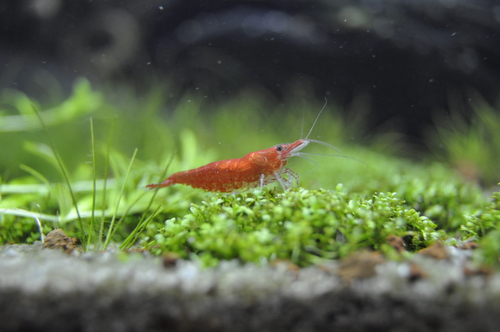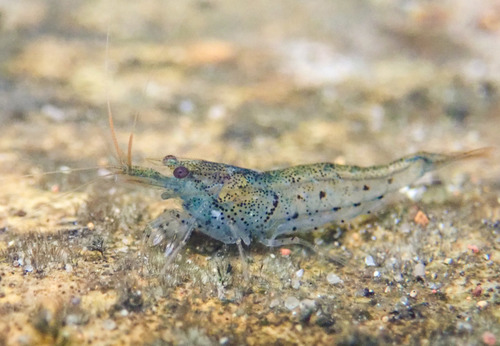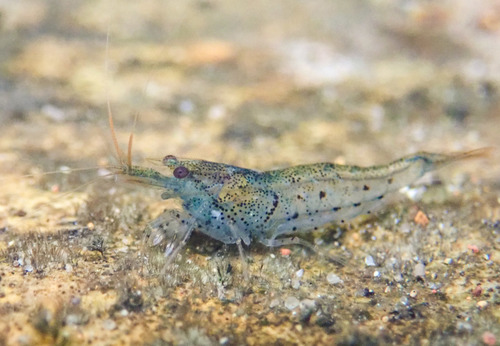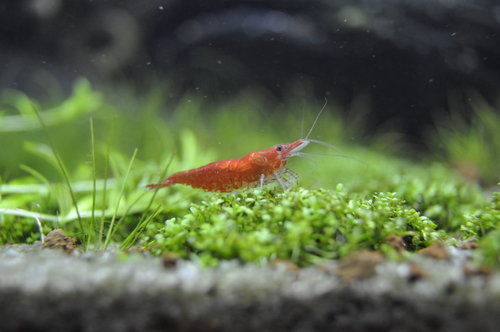
Red bee shrimp
Caridina cantonensis sp
In Stock
Common stock
Wild Caught
Moderate care
Not Reef Safe
SKU: 01-B-01-003-01
The Red Bee Shrimp is a stunning freshwater invertebrate, prized for its striking coloration and intricate patterns.
Pricing for Verified Importers
Log in to see wholesale prices and order.
Export Size
up to 4.0 cm
Origin
Southeast Asia
Temperature
22.0–26.0°C
Min. Tank Size
20 L
pH
6.00–7.20
Diet
omnivore
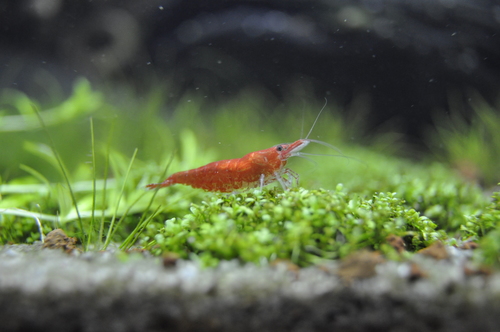
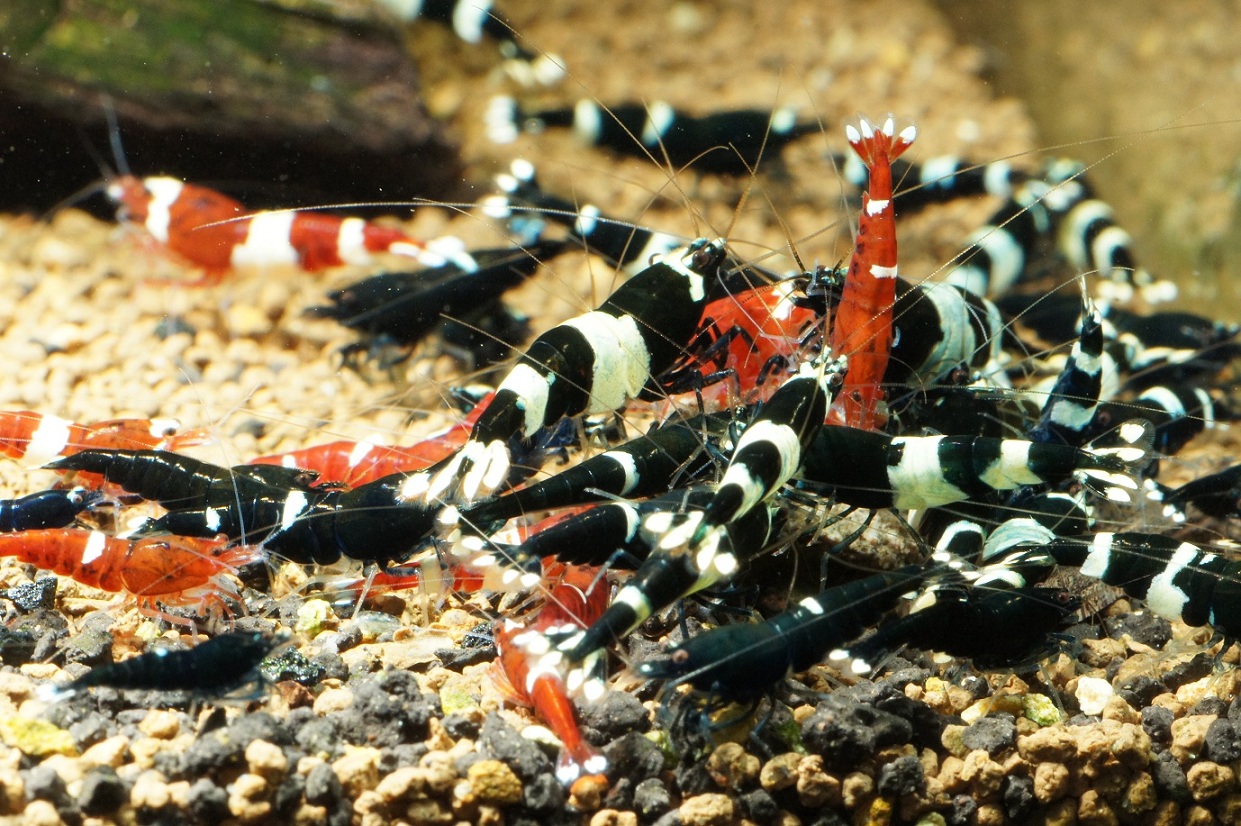
The Red Bee Shrimp (Caridina cantonensis sp) is a captivating freshwater invertebrate known for its vibrant red and white coloration. This species is a variant of the popular bee shrimp, distinguished by its unique patterns and striking appearance, making it a favorite among aquarists and collectors. Originating from the mountainous streams of Southeast Asia, these shrimp thrive in well-oxygenated waters with plenty of hiding spots amongst aquatic plants and rocks.
Red Bee Shrimp exhibit a range of color patterns, with some individuals showcasing bright red bands against a white background, while others may have more intricate designs. Their small size, typically reaching up to 4 cm, makes them an excellent addition to nano tanks and community aquariums. In terms of behavior, Red Bee Shrimp are generally peaceful and social, often seen grazing on algae, biofilm, and detritus in their environment, which contributes to the overall health of the aquarium.
These shrimp are not only aesthetically pleasing but also play a vital role in maintaining the ecological balance of their habitat. In the wild, they help in the decomposition process by consuming organic matter, thus promoting a healthier aquatic ecosystem. Their natural habitat conditions include soft, acidic waters enriched with leaf litter and plant debris, which provide both food and shelter.
In the aquarium, providing a similar environment will ensure their well-being and vibrant coloration. Red Bee Shrimp are often kept alongside other small, peaceful fish and invertebrates, creating a lively and colorful display in the aquarium landscape.
Red Bee Shrimp exhibit a range of color patterns, with some individuals showcasing bright red bands against a white background, while others may have more intricate designs. Their small size, typically reaching up to 4 cm, makes them an excellent addition to nano tanks and community aquariums. In terms of behavior, Red Bee Shrimp are generally peaceful and social, often seen grazing on algae, biofilm, and detritus in their environment, which contributes to the overall health of the aquarium.
These shrimp are not only aesthetically pleasing but also play a vital role in maintaining the ecological balance of their habitat. In the wild, they help in the decomposition process by consuming organic matter, thus promoting a healthier aquatic ecosystem. Their natural habitat conditions include soft, acidic waters enriched with leaf litter and plant debris, which provide both food and shelter.
In the aquarium, providing a similar environment will ensure their well-being and vibrant coloration. Red Bee Shrimp are often kept alongside other small, peaceful fish and invertebrates, creating a lively and colorful display in the aquarium landscape.
To successfully care for Red Bee Shrimp, water parameters are crucial. They thrive in soft, slightly acidic water with a pH range of 6.0 to 7.2 and a temperature between 22°C to 26°C. Regular water changes and high water quality are essential, as these shrimp are sensitive to pollutants and fluctuating conditions. A minimum tank size of 20 liters is recommended to provide ample space for swimming and foraging.
Feeding should consist of high-quality shrimp pellets, blanched vegetables, and occasional treats such as spirulina or algae wafers to ensure a balanced diet. It is important to avoid overfeeding, as excess food can lead to poor water quality. Red Bee Shrimp are compatible with other small, non-aggressive fish; however, they should not be housed with larger or more aggressive species that may pose a threat.
Acclimation is critical when adding Red Bee Shrimp to a new environment. Gradually introduce them to the new tank by floating the bag in the aquarium for about 15-20 minutes, then slowly mix tank water into the bag over the next hour. Quarantine new arrivals for at least two weeks to monitor for any signs of disease before introducing them to the main tank. This practice helps prevent the spread of pathogens and ensures the health of your existing aquatic inhabitants.
Feeding should consist of high-quality shrimp pellets, blanched vegetables, and occasional treats such as spirulina or algae wafers to ensure a balanced diet. It is important to avoid overfeeding, as excess food can lead to poor water quality. Red Bee Shrimp are compatible with other small, non-aggressive fish; however, they should not be housed with larger or more aggressive species that may pose a threat.
Acclimation is critical when adding Red Bee Shrimp to a new environment. Gradually introduce them to the new tank by floating the bag in the aquarium for about 15-20 minutes, then slowly mix tank water into the bag over the next hour. Quarantine new arrivals for at least two weeks to monitor for any signs of disease before introducing them to the main tank. This practice helps prevent the spread of pathogens and ensures the health of your existing aquatic inhabitants.
Red Bee Shrimp are suitable for shipping, provided they are packed securely to prevent stress during transit. A density of 10-15 shrimp per liter is recommended, accompanied by adequate oxygen supply in the shipping bags. They are sensitive to temperature fluctuations, so maintaining a stable temperature between 22°C and 26°C during transport is essential. CITES status is not applicable as this species is not listed, allowing for legal export without additional restrictions.
Species Parameters
Max Adult Size
4.0 cm
Origin
Southeast Asia
Diet
omnivore
Temp Min
22.0 °C
Temp Max
26.0 °C
pH Min
6.00
pH Max
7.20
Min Tank
20 L