Black Tiger Bee Shrimp
Caridina cantonensis sp. "Black Tiger"
In Stock
Common stock
Wild Caught
Moderate care
Not Reef Safe
SKU: 01-B-01-014-01
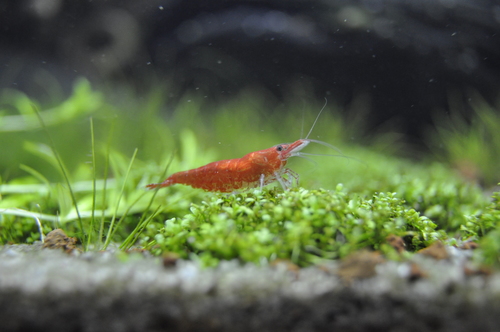
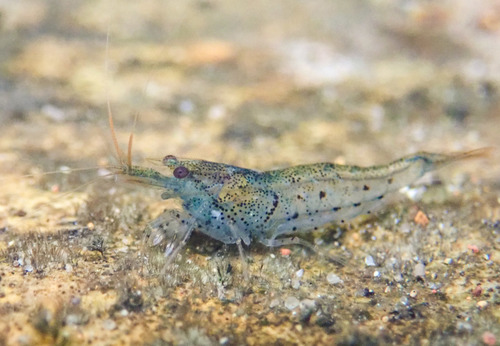
The Black Tiger Bee Shrimp is a striking freshwater invertebrate known for its unique coloration and patterns.
Pricing for Verified Importers
Log in to see wholesale prices and order.
Export Size
up to 5.0 cm
Origin
Southeast Asia
Temperature
20.0–24.0°C
Min. Tank Size
20 L
pH
6.00–7.50
Diet
omnivore
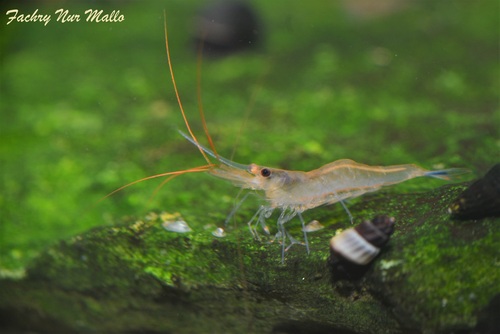
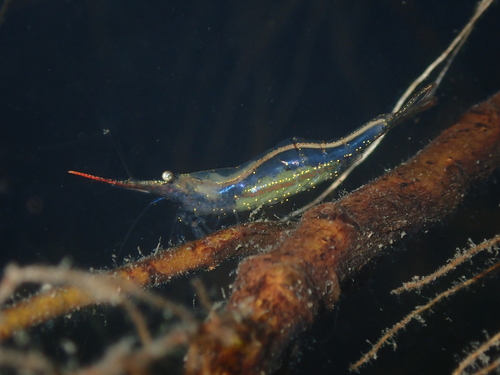
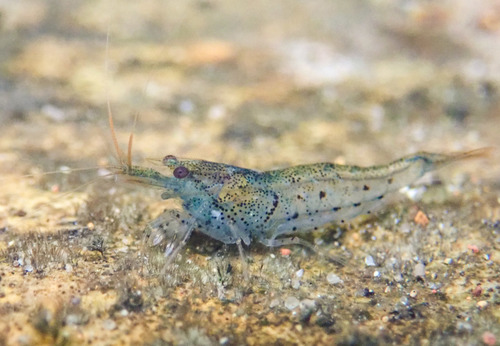
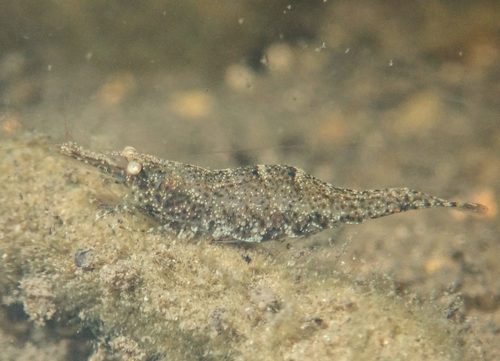
The Black Tiger Bee Shrimp (Caridina cantonensis sp. 'Black Tiger') is a captivating freshwater invertebrate that stands out for its striking black and orange coloration, reminiscent of a tiger's stripes. Native to the freshwater streams and rivers of Southeast Asia, these shrimp have become increasingly popular in the aquarium trade due to their unique appearance and interesting behaviors. They are known for their active nature, often seen foraging among the substrate and plants, which adds life to any aquarium environment.
In terms of appearance, the Black Tiger Bee Shrimp showcases a beautiful contrast of deep black and vibrant orange stripes, making it a visually appealing addition to a planted aquarium. Adult specimens typically reach a maximum size of around 4-5 centimeters, making them suitable for various tank sizes. Their small size and colorful patterns make them a favorite among aquarists who appreciate aesthetic appeal as well as functionality in maintaining a clean tank.
Behaviorally, these shrimp are social creatures that thrive in groups, exhibiting fascinating interactions with one another. They are generally peaceful and can coexist with many other species of fish and invertebrates, provided that the tank mates are not aggressive. Black Tiger Bee Shrimp are also known for their role in the aquarium ecosystem; they help clean algae and detritus, contributing to the overall health of the tank.
In their natural habitat, these shrimp prefer well-planted areas with plenty of hiding spots to feel secure. They thrive in soft, acidic waters, often found in environments rich in leaf litter and organic material. Replicating these conditions in an aquarium will help ensure the health and longevity of these stunning shrimp.
In terms of appearance, the Black Tiger Bee Shrimp showcases a beautiful contrast of deep black and vibrant orange stripes, making it a visually appealing addition to a planted aquarium. Adult specimens typically reach a maximum size of around 4-5 centimeters, making them suitable for various tank sizes. Their small size and colorful patterns make them a favorite among aquarists who appreciate aesthetic appeal as well as functionality in maintaining a clean tank.
Behaviorally, these shrimp are social creatures that thrive in groups, exhibiting fascinating interactions with one another. They are generally peaceful and can coexist with many other species of fish and invertebrates, provided that the tank mates are not aggressive. Black Tiger Bee Shrimp are also known for their role in the aquarium ecosystem; they help clean algae and detritus, contributing to the overall health of the tank.
In their natural habitat, these shrimp prefer well-planted areas with plenty of hiding spots to feel secure. They thrive in soft, acidic waters, often found in environments rich in leaf litter and organic material. Replicating these conditions in an aquarium will help ensure the health and longevity of these stunning shrimp.
To successfully keep Black Tiger Bee Shrimp, it is essential to maintain stable water parameters that mimic their natural habitat. Ideal water temperature ranges from 22°C to 26°C, with a pH level between 6.0 and 7.5. It is advisable to perform regular water changes to keep the water clean and well-oxygenated, as these shrimp are sensitive to poor water quality.
Feeding Black Tiger Bee Shrimp is straightforward, as they are omnivores. A diet consisting of high-quality shrimp pellets, algae wafers, and blanched vegetables will provide the necessary nutrients. Additionally, they benefit from occasional feedings of specialized shrimp food, which can enhance their coloration and overall health.
When introducing Black Tiger Bee Shrimp into a new aquarium, proper acclimation is crucial. Slowly acclimate them to the new environment over a few hours to minimize stress. Quarantine is also recommended before introducing them to a community tank, as this helps prevent the spread of potential diseases or parasites. These shrimp are generally compatible with other peaceful species, but caution should be taken to avoid larger, aggressive fish that may pose a threat.
Creating a well-planted tank with plenty of hiding spots will not only provide comfort for the shrimp but also promote their natural behaviors and enhance the visual appeal of your aquarium.
Feeding Black Tiger Bee Shrimp is straightforward, as they are omnivores. A diet consisting of high-quality shrimp pellets, algae wafers, and blanched vegetables will provide the necessary nutrients. Additionally, they benefit from occasional feedings of specialized shrimp food, which can enhance their coloration and overall health.
When introducing Black Tiger Bee Shrimp into a new aquarium, proper acclimation is crucial. Slowly acclimate them to the new environment over a few hours to minimize stress. Quarantine is also recommended before introducing them to a community tank, as this helps prevent the spread of potential diseases or parasites. These shrimp are generally compatible with other peaceful species, but caution should be taken to avoid larger, aggressive fish that may pose a threat.
Creating a well-planted tank with plenty of hiding spots will not only provide comfort for the shrimp but also promote their natural behaviors and enhance the visual appeal of your aquarium.
Black Tiger Bee Shrimp are suitable for shipping under controlled conditions. They should be packed with adequate water volume and oxygen, ensuring minimal stress during transit. Optimal shipping temperatures should be maintained between 20°C to 24°C to minimize any temperature shock. Since they are freshwater species, salinity parameters are not applicable. There are no specific CITES restrictions for this species, facilitating smoother export processes.
Species Parameters
Max Adult Size
5.0 cm
Origin
Southeast Asia
Diet
omnivore
Temp Min
20.0 °C
Temp Max
24.0 °C
pH Min
6.00
pH Max
7.50
Min Tank
20 L