Black Line Sand Goby
Stiphodon ornatus
In Stock
Common stock
Wild Caught
Moderate care
Not Reef Safe
SKU: 01-A-32-027-03
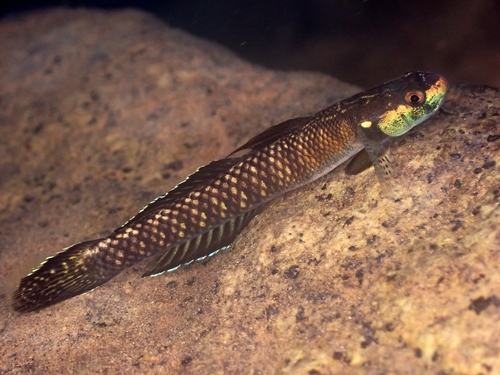
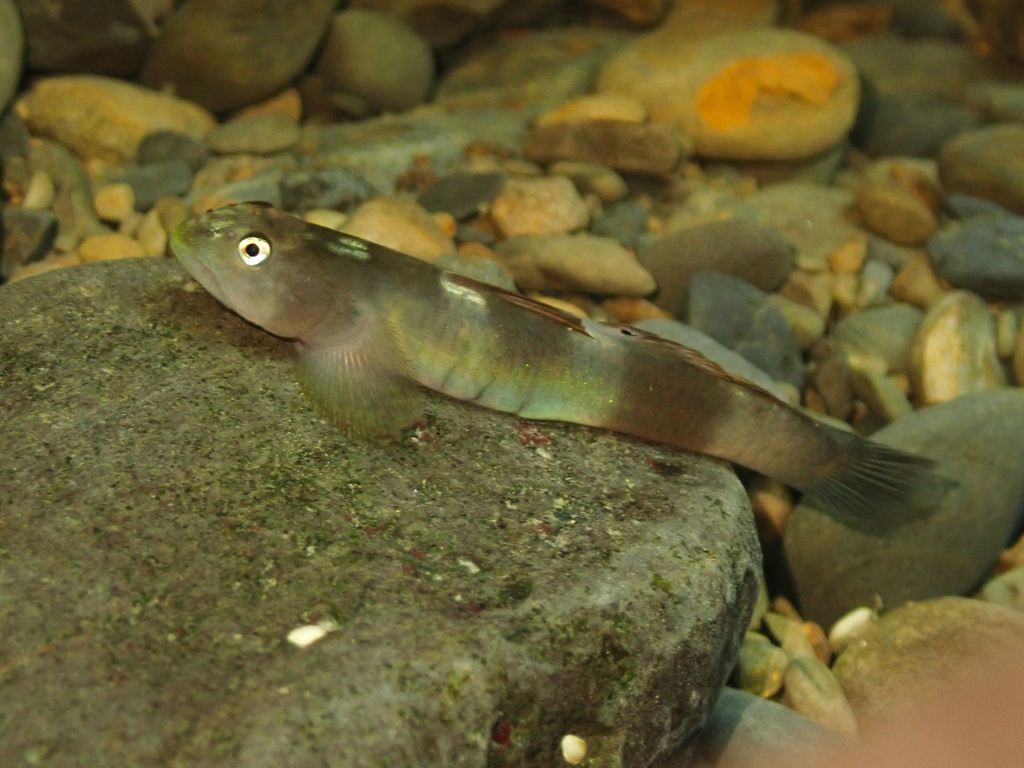
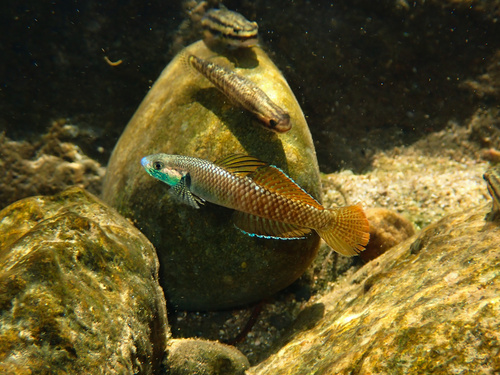
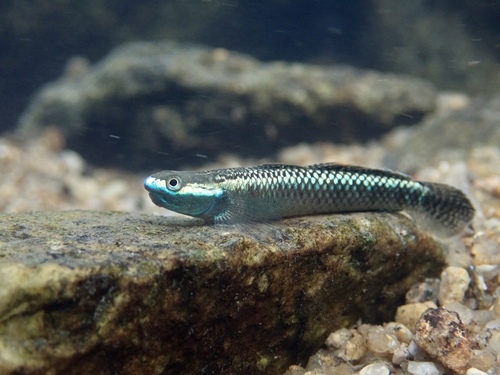
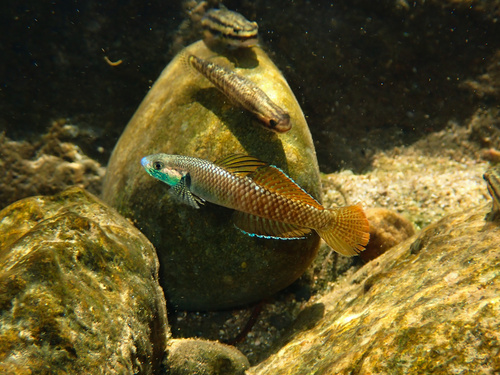
The Black Line Sand Goby is a vibrant freshwater fish, known for its striking coloration and unique behavior.
Pricing for Verified Importers
Log in to see wholesale prices and order.
Export Size
up to 6.0 cm
Origin
Southeast Asia
Temperature
24.0–28.0°C
Min. Tank Size
50 L
pH
6.50–7.50
Diet
omnivore
The Black Line Sand Goby (Stiphodon ornatus) is a captivating freshwater fish native to the streams and rivers of Bali, Indonesia. This species is distinguished by its vivid blue body adorned with striking black lines, making it a popular choice among aquarists. Generally found in small groups, they exhibit a charming behavior as they dart around the substrate, foraging for food and interacting with one another. Their small size and vibrant colors contribute to their appeal in the aquarium trade.
In terms of natural history, the Black Line Sand Goby thrives in shallow, fast-flowing waters with sandy bottoms, where they can easily camouflage themselves while searching for food. They primarily feed on small invertebrates and detritus, demonstrating a natural role in the ecosystem as both predator and prey. Their unique adaptations allow them to thrive in such habitats, making them resilient to varying water conditions.
Behaviorally, these gobies are known for their engaging social interactions. They often establish territories within their shoals, showcasing a hierarchy among males. Males are particularly vibrant during breeding seasons, displaying brighter colors to attract females. The breeding process involves the female laying eggs in crevices or sandy substrates, where the male guards and tends to them until they hatch.
As a species that prefers stable and clean environments, the Black Line Sand Goby is sensitive to water quality, making it essential for aquarists to maintain optimal living conditions in captivity. Observing them in a well-maintained aquarium can provide an enriching experience for both the fish and the hobbyist.
In terms of natural history, the Black Line Sand Goby thrives in shallow, fast-flowing waters with sandy bottoms, where they can easily camouflage themselves while searching for food. They primarily feed on small invertebrates and detritus, demonstrating a natural role in the ecosystem as both predator and prey. Their unique adaptations allow them to thrive in such habitats, making them resilient to varying water conditions.
Behaviorally, these gobies are known for their engaging social interactions. They often establish territories within their shoals, showcasing a hierarchy among males. Males are particularly vibrant during breeding seasons, displaying brighter colors to attract females. The breeding process involves the female laying eggs in crevices or sandy substrates, where the male guards and tends to them until they hatch.
As a species that prefers stable and clean environments, the Black Line Sand Goby is sensitive to water quality, making it essential for aquarists to maintain optimal living conditions in captivity. Observing them in a well-maintained aquarium can provide an enriching experience for both the fish and the hobbyist.
To successfully care for Black Line Sand Gobies, importers and retailers should ensure that water parameters are closely monitored. Ideal water temperature ranges from 24°C to 28°C, with a pH of 6.5 to 7.5. These fish thrive in well-oxygenated, flowing water, so incorporating a filtration system that mimics their natural habitat is crucial. Regular water changes will help maintain water quality, reducing stress and disease risks.
In terms of diet, Black Line Sand Gobies are omnivorous, requiring a varied diet consisting of high-quality flakes, pellets, and live or frozen foods such as brine shrimp and daphnia. Feeding small portions multiple times a day will ensure they receive adequate nutrition. Compatibility-wise, they are generally peaceful and can be kept with other small freshwater species, but care should be taken to avoid aggressive tankmates.
Acclimation is vital when introducing them to a new aquarium; a slow drip acclimation method is recommended to help them adjust to different water conditions. A quarantine period of at least two weeks is advisable to monitor for any potential diseases before introducing them to a main display tank. This practice will help ensure a healthy population and prevent the spread of pathogens.
In terms of diet, Black Line Sand Gobies are omnivorous, requiring a varied diet consisting of high-quality flakes, pellets, and live or frozen foods such as brine shrimp and daphnia. Feeding small portions multiple times a day will ensure they receive adequate nutrition. Compatibility-wise, they are generally peaceful and can be kept with other small freshwater species, but care should be taken to avoid aggressive tankmates.
Acclimation is vital when introducing them to a new aquarium; a slow drip acclimation method is recommended to help them adjust to different water conditions. A quarantine period of at least two weeks is advisable to monitor for any potential diseases before introducing them to a main display tank. This practice will help ensure a healthy population and prevent the spread of pathogens.
The Black Line Sand Goby is suitable for shipping due to its hardy nature. Packing density should be moderate to allow for movement without overcrowding. It is essential to maintain water temperatures between 24°C and 28°C during transit to minimize stress. As a non-CITES species, there are no additional restrictions on export, but adherence to local regulations regarding wildlife trade is necessary.
Species Parameters
Max Adult Size
6.0 cm
Origin
Southeast Asia
Diet
omnivore
Temp Min
24.0 °C
Temp Max
28.0 °C
pH Min
6.50
pH Max
7.50
Min Tank
50 L