Orange Goby
Stiphodon sp
Out of Stock
Scarce stock
Wild Caught
Moderate care
Not Reef Safe
SKU: 01-A-32-034-03
The Orange Goby captivates with its vibrant colors and unique behavior, perfect for freshwater aquariums.
Pricing for Verified Importers
Log in to see wholesale prices and order.
Export Size
up to 6.0 cm
Origin
Southeast Asia
Temperature
24.0–28.0°C
Min. Tank Size
60 L
pH
6.50–7.50
Diet
omnivore
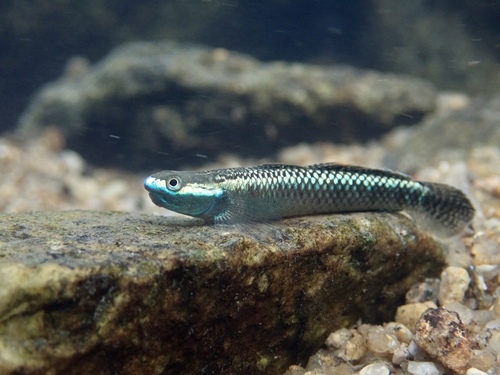
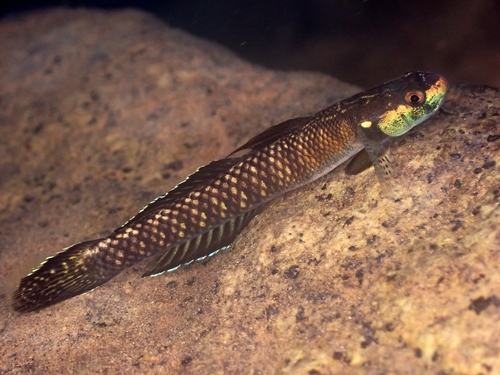
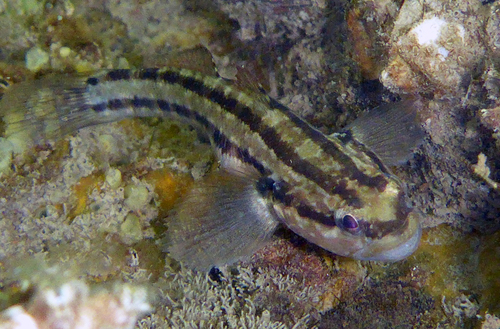
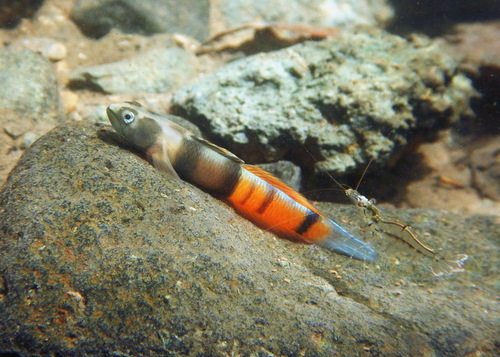
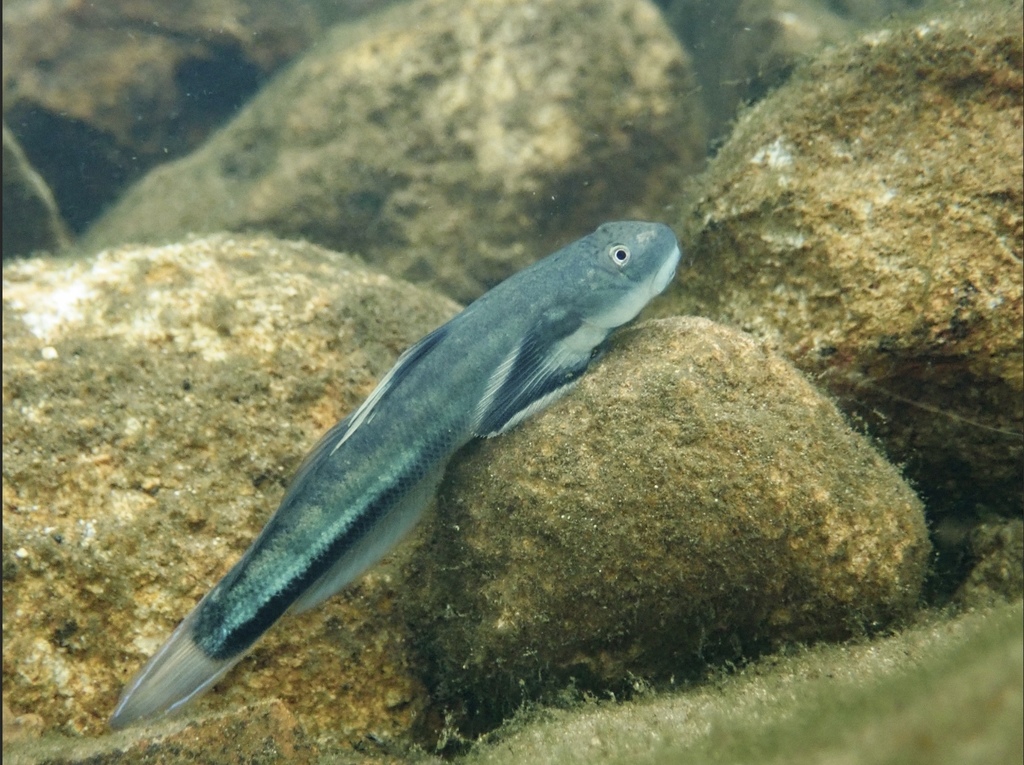
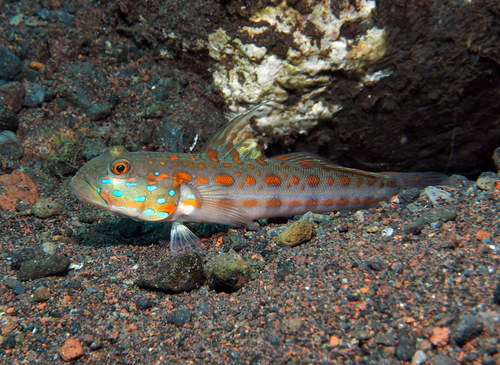
The Orange Goby (Stiphodon sp) is a striking freshwater fish known for its stunning orange coloration and lively personality, making it a favorite among aquarists. This species displays a slender body with vibrant hues that can vary in intensity depending on environmental factors and mood. Adult gobies can reach a maximum size of approximately 6 cm. They exhibit a distinctive pattern of colors that enhances their aesthetic appeal in aquariums.
In their natural habitat, Orange Gobies are typically found in fast-flowing streams and rivers across Southeast Asia, where they inhabit rocky substrates. They thrive in well-oxygenated waters, often seen darting among rocks and vegetation. Their behavior is fascinating; they are known for their territorial nature and will establish small areas they consider their own, defending these spots from intruders. Observing their interactions can be quite entertaining, as they often engage in playful displays, especially during breeding periods.
Orange Gobies feed primarily on small invertebrates, algae, and detritus, showcasing their omnivorous diet. They play a vital role in their ecosystem by helping control algae growth and contributing to the nutrient cycle. In aquariums, they are typically seen foraging along the substrate and rocks, which mimics their natural behavior. Due to their active nature, they do best in groups, which can encourage their social interactions and overall well-being.
When selecting the Orange Goby for your aquarium, consider creating a habitat that mimics their natural environment. This includes providing plenty of hiding spots and a sandy substrate to encourage natural behavior. Their vibrant colors and lively antics make them a captivating addition to both community and specialty tanks.
In their natural habitat, Orange Gobies are typically found in fast-flowing streams and rivers across Southeast Asia, where they inhabit rocky substrates. They thrive in well-oxygenated waters, often seen darting among rocks and vegetation. Their behavior is fascinating; they are known for their territorial nature and will establish small areas they consider their own, defending these spots from intruders. Observing their interactions can be quite entertaining, as they often engage in playful displays, especially during breeding periods.
Orange Gobies feed primarily on small invertebrates, algae, and detritus, showcasing their omnivorous diet. They play a vital role in their ecosystem by helping control algae growth and contributing to the nutrient cycle. In aquariums, they are typically seen foraging along the substrate and rocks, which mimics their natural behavior. Due to their active nature, they do best in groups, which can encourage their social interactions and overall well-being.
When selecting the Orange Goby for your aquarium, consider creating a habitat that mimics their natural environment. This includes providing plenty of hiding spots and a sandy substrate to encourage natural behavior. Their vibrant colors and lively antics make them a captivating addition to both community and specialty tanks.
To ensure the health and longevity of the Orange Goby, maintain water parameters that reflect their natural habitat. Ideal conditions include a temperature range of 24-28°C and a pH level between 6.5 and 7.5. While salinity is not a concern for this freshwater species, it is crucial to keep the water well-aerated and slightly alkaline. A minimum tank size of 60 liters is recommended to provide ample space for swimming and territory establishment.
Feeding Orange Gobies is straightforward, as they are omnivores. A varied diet comprising high-quality flakes, pellets, and frozen or live food such as brine shrimp and bloodworms will ensure they receive the necessary nutrients. It's essential to observe feeding habits, as they may compete for food; thus, feeding in multiple locations can help mitigate aggression.
In terms of compatibility, Orange Gobies generally do well with other peaceful species, but care should be taken to avoid overly aggressive tank mates. When introducing them to a new aquarium, acclimation is crucial. Gradually introduce them to the tank environment over several hours to prevent shock. A quarantine period of 2-4 weeks is recommended to monitor for any signs of disease before adding them to a display tank, ensuring the health of your aquatic community.
Feeding Orange Gobies is straightforward, as they are omnivores. A varied diet comprising high-quality flakes, pellets, and frozen or live food such as brine shrimp and bloodworms will ensure they receive the necessary nutrients. It's essential to observe feeding habits, as they may compete for food; thus, feeding in multiple locations can help mitigate aggression.
In terms of compatibility, Orange Gobies generally do well with other peaceful species, but care should be taken to avoid overly aggressive tank mates. When introducing them to a new aquarium, acclimation is crucial. Gradually introduce them to the tank environment over several hours to prevent shock. A quarantine period of 2-4 weeks is recommended to monitor for any signs of disease before adding them to a display tank, ensuring the health of your aquatic community.
The Orange Goby is moderately suitable for shipping, requiring careful handling to minimize stress. Packing density should be low to provide ample space for movement, and the temperature should be maintained between 24-26°C during transit. Due to their sensitivity to temperature fluctuations, it is vital to monitor conditions closely. Currently, there are no CITES restrictions concerning this species, simplifying export and wholesale processes.
Species Parameters
Max Adult Size
6.0 cm
Origin
Southeast Asia
Diet
omnivore
Temp Min
24.0 °C
Temp Max
28.0 °C
pH Min
6.50
pH Max
7.50
Min Tank
60 L