Balloon Kissing Gourami
Helostoma temmincki
In Stock
Common stock
Wild Caught
Moderate care
Not Reef Safe
SKU: 01-A-26-009-06
The Balloon Kissing Gourami stands out with its unique body shape and playful nature.
Pricing for Verified Importers
Log in to see wholesale prices and order.
Export Size
up to 15.0 cm
Origin
Southeast Asia
Temperature
24.0–28.0°C
Min. Tank Size
100 L
pH
6.00–7.50
Diet
omnivore
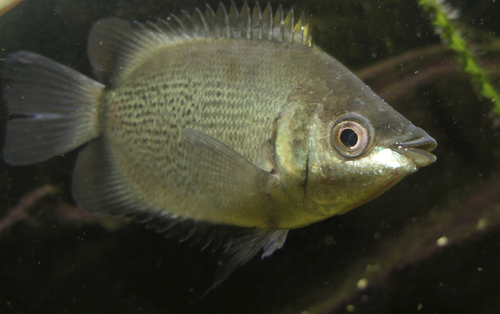
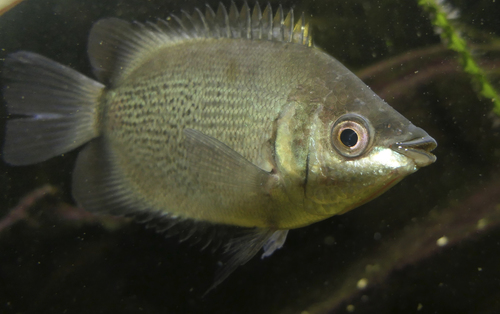
The Balloon Kissing Gourami (Helostoma temmincki) is a captivating freshwater fish known for its distinctively rounded body and vibrant coloration. Originating from Southeast Asia, particularly in the slow-moving waters of rivers and swamps, this species has adapted to a variety of freshwater environments. The Balloon Kissing Gourami is characterized by its fleshy, extended lips, which it uses to graze on algae and other plant matter, giving it a unique feeding mechanism that sets it apart from other gouramis.
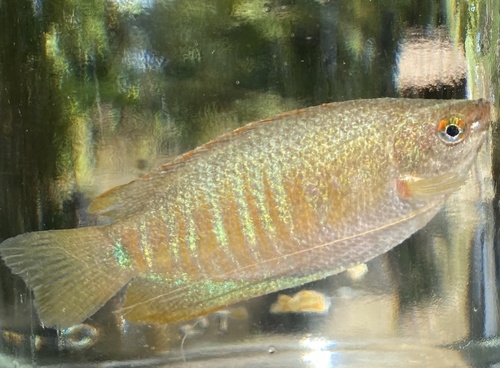
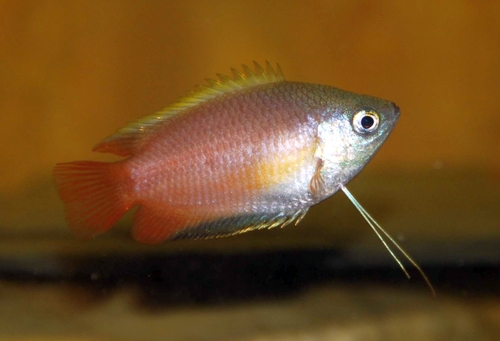
In terms of appearance, the Balloon Kissing Gourami typically showcases a rounded body that can exhibit shades of green, pink, or even a pale blue, often with iridescent highlights. Adult fish can grow up to 15 cm in length. Their large, dorsal fins and expressive behavior make them a popular choice among aquarium enthusiasts. These fish are often seen
In terms of appearance, the Balloon Kissing Gourami typically showcases a rounded body that can exhibit shades of green, pink, or even a pale blue, often with iridescent highlights. Adult fish can grow up to 15 cm in length. Their large, dorsal fins and expressive behavior make them a popular choice among aquarium enthusiasts. These fish are often seen
The Balloon Kissing Gourami thrives in slightly acidic to neutral water conditions, ideally with a pH range of 6.0 to 7.5. A minimum tank size of 100 liters is recommended to provide ample swimming space and to maintain stable water parameters. Regular water changes and filtration are essential to keep the environment clean and suitable for these fish. The ideal temperature range is between 24°C and 28°C, making it crucial to monitor the water temperature with a reliable heater.
Feeding the Balloon Kissing Gourami is relatively straightforward, as they are omnivores. A varied diet that includes high-quality flake food, pellets, and occasional live or frozen foods will ensure they receive adequate nutrition. Compatibility-wise, they are generally peaceful and can be housed with other community fish. However, caution should be taken when introducing them to aggressive species, as their peaceful nature makes them vulnerable.
Acclimation is vital for the health of the Balloon Kissing Gourami. When introducing them to a new tank, a slow acclimation process is recommended. This can be done by gradually mixing tank water with the water from the bag over a period of several hours. Quarantine for at least two weeks is advisable before adding them to the main tank to prevent the spread of any potential diseases.
Feeding the Balloon Kissing Gourami is relatively straightforward, as they are omnivores. A varied diet that includes high-quality flake food, pellets, and occasional live or frozen foods will ensure they receive adequate nutrition. Compatibility-wise, they are generally peaceful and can be housed with other community fish. However, caution should be taken when introducing them to aggressive species, as their peaceful nature makes them vulnerable.
Acclimation is vital for the health of the Balloon Kissing Gourami. When introducing them to a new tank, a slow acclimation process is recommended. This can be done by gradually mixing tank water with the water from the bag over a period of several hours. Quarantine for at least two weeks is advisable before adding them to the main tank to prevent the spread of any potential diseases.
The Balloon Kissing Gourami is suitable for shipping due to its hardy nature, but care must be taken to maintain appropriate temperatures between 24°C and 28°C during transit. Packing density should be moderate to ensure adequate oxygen levels, with a focus on minimizing stress. This species does not fall under CITES regulations, allowing for straightforward export processes.
Species Parameters
Max Adult Size
15.0 cm
Origin
Southeast Asia
Diet
omnivore
Temp Min
24.0 °C
Temp Max
28.0 °C
pH Min
6.00
pH Max
7.50
Min Tank
100 L