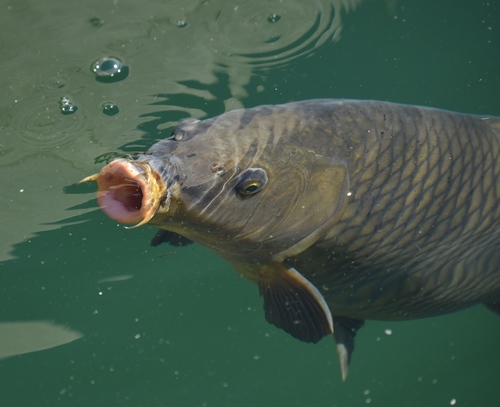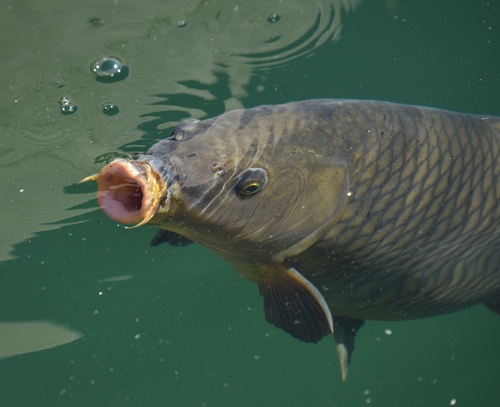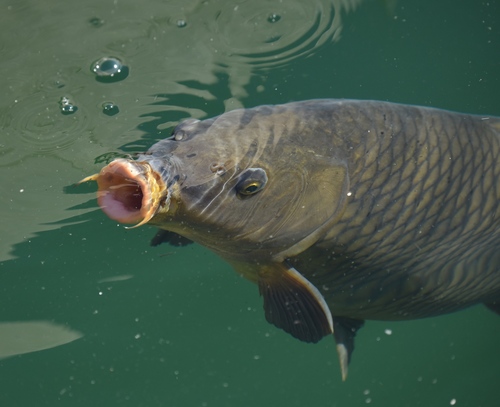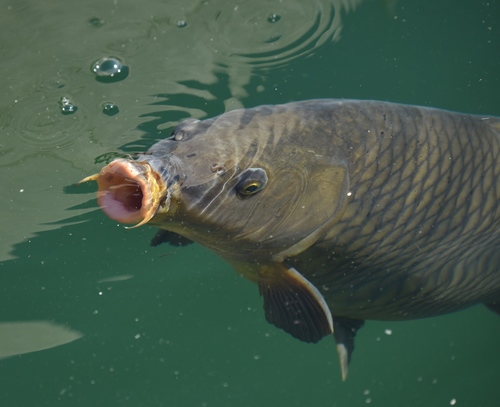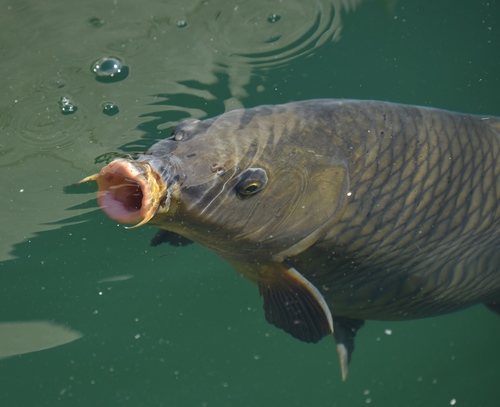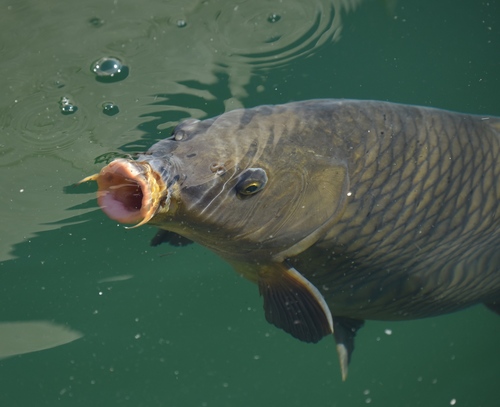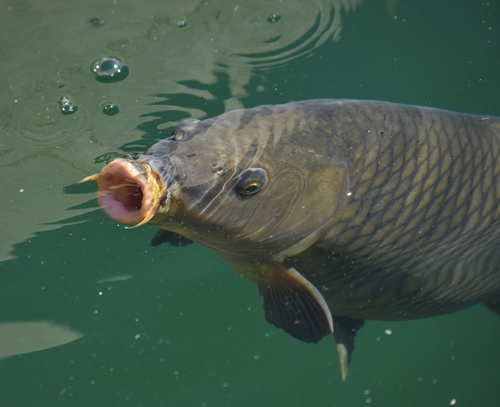
Assorted Kohaku Koi, Sanke Koi, Tancho Koi, Bekko Koi
Cyprinus carpio
Limited
Occasional stock
Wild Caught
Easy care
Not Reef Safe
SKU: 01-A-41-021-05
Discover the beauty of Assorted Kohaku, Sanke, Tancho, and Bekko Koi from Bali.
Pricing for Verified Importers
Log in to see wholesale prices and order.
Export Size
up to 90.0 cm
Origin
Southeast Asia
Temperature
18.0–25.0°C
Min. Tank Size
500 L
pH
7.00–8.50
Diet
omnivore
The Assorted Kohaku, Sanke, Tancho, and Bekko Koi (Cyprinus carpio) are some of the most admired freshwater ornamental fish in the world. These koi varieties are renowned for their striking coloration and distinct patterns, each showcasing a unique aesthetic that captivates aquarists and collectors alike. Originating from Japan, these koi have been selectively bred for centuries, resulting in a wide range of colors and designs that symbolize beauty and tranquility in aquatic environments.
In terms of appearance, Kohaku Koi are characterized by their white bodies adorned with vibrant red markings, while Sanke Koi feature a blend of white, red, and black patterns. Tancho Koi are easily identifiable by their single red spot on a white body, and Bekko Koi display a more subdued palette of black and white or yellow. Together, these varieties not only enhance the visual appeal of garden ponds and aquariums but also serve as a testament to the artistry of koi breeding.
Behaviorally, koi are social creatures that thrive in groups, making them an excellent choice for community tanks and outdoor ponds. They exhibit a range of behaviors, from swimming gracefully through the water to interacting playfully with their environment. Koi are also known for their intelligence, often recognizing their caretakers and even responding to feeding routines. In their natural habitat, they inhabit slow-moving rivers and lakes, favoring areas with aquatic vegetation that provide shelter and food.
These koi varieties are best kept in spacious, well-maintained ponds or large aquariums to allow for ample swimming space and filtration. Their ability to adapt to various freshwater environments makes them a versatile choice for both indoor and outdoor aquaculture settings.
In terms of appearance, Kohaku Koi are characterized by their white bodies adorned with vibrant red markings, while Sanke Koi feature a blend of white, red, and black patterns. Tancho Koi are easily identifiable by their single red spot on a white body, and Bekko Koi display a more subdued palette of black and white or yellow. Together, these varieties not only enhance the visual appeal of garden ponds and aquariums but also serve as a testament to the artistry of koi breeding.
Behaviorally, koi are social creatures that thrive in groups, making them an excellent choice for community tanks and outdoor ponds. They exhibit a range of behaviors, from swimming gracefully through the water to interacting playfully with their environment. Koi are also known for their intelligence, often recognizing their caretakers and even responding to feeding routines. In their natural habitat, they inhabit slow-moving rivers and lakes, favoring areas with aquatic vegetation that provide shelter and food.
These koi varieties are best kept in spacious, well-maintained ponds or large aquariums to allow for ample swimming space and filtration. Their ability to adapt to various freshwater environments makes them a versatile choice for both indoor and outdoor aquaculture settings.
When caring for Assorted Kohaku, Sanke, Tancho, and Bekko Koi, maintaining optimal water parameters is crucial for their health and longevity. The ideal water temperature ranges from 20°C to 25°C, with a pH level between 7.0 and 8.5. It is essential to ensure good water quality through regular filtration and water changes, as koi are sensitive to poor water conditions.
Feeding these koi requires a balanced diet that includes high-quality koi pellets, vegetables, and occasional protein sources like insects or shrimp. This diet not only supports their growth but also enhances their vibrant colors. Compatibility-wise, koi are generally peaceful but should be housed with similarly sized fish to prevent bullying or accidental injury.
Acclimation is vital when introducing new koi to an aquarium or pond; gradually acclimatize them to the water temperature and conditions to reduce stress. Quarantine new arrivals for a minimum of two weeks to monitor for any signs of disease before introducing them to the main population. Regular health checks and maintaining a clean environment will ensure these stunning fish thrive in your aquatic setup.
Feeding these koi requires a balanced diet that includes high-quality koi pellets, vegetables, and occasional protein sources like insects or shrimp. This diet not only supports their growth but also enhances their vibrant colors. Compatibility-wise, koi are generally peaceful but should be housed with similarly sized fish to prevent bullying or accidental injury.
Acclimation is vital when introducing new koi to an aquarium or pond; gradually acclimatize them to the water temperature and conditions to reduce stress. Quarantine new arrivals for a minimum of two weeks to monitor for any signs of disease before introducing them to the main population. Regular health checks and maintaining a clean environment will ensure these stunning fish thrive in your aquatic setup.
Shipping Assorted Kohaku, Sanke, Tancho, and Bekko Koi requires careful attention to temperature and packing density. Ideal shipping temperatures should be maintained between 18°C to 22°C to minimize stress. Packing should allow sufficient oxygen while preventing overcrowding, with a recommended density of 1-2 koi per liter. Ensure compliance with CITES regulations where applicable, although these koi are generally not listed as endangered.
Species Parameters
Max Adult Size
90.0 cm
Origin
Southeast Asia
Diet
omnivore
Temp Min
18.0 °C
Temp Max
25.0 °C
pH Min
7.00
pH Max
8.50
Min Tank
500 L