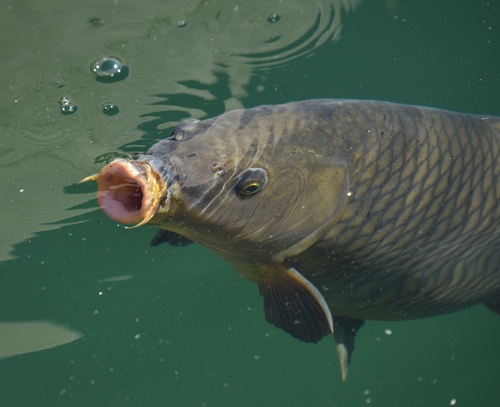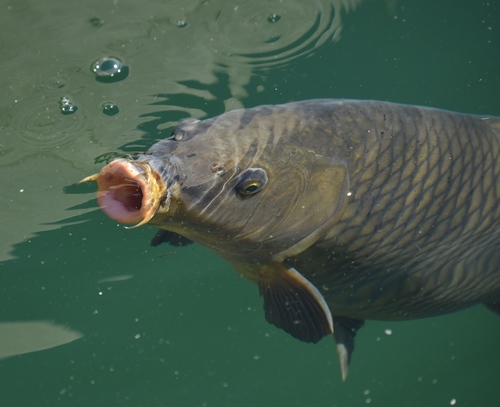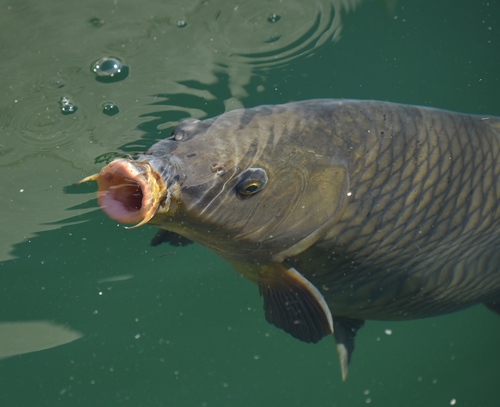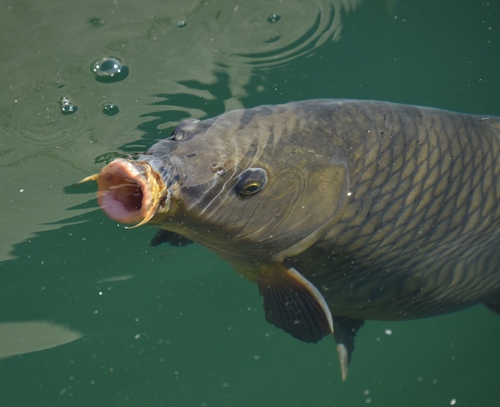
Kujaku Koi
Cyprinus carpio
Limited
Occasional stock
Wild Caught
Easy care
Not Reef Safe
SKU: 01-A-41-005-05
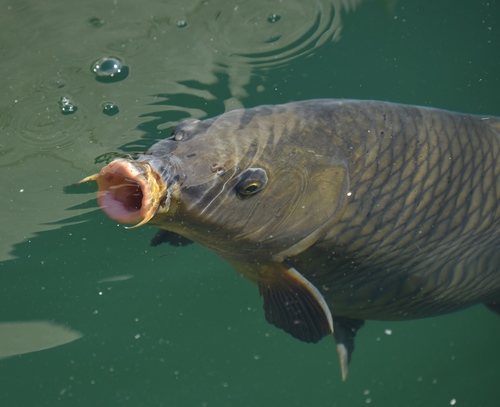
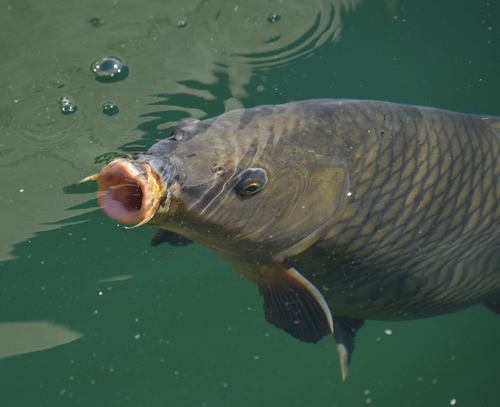
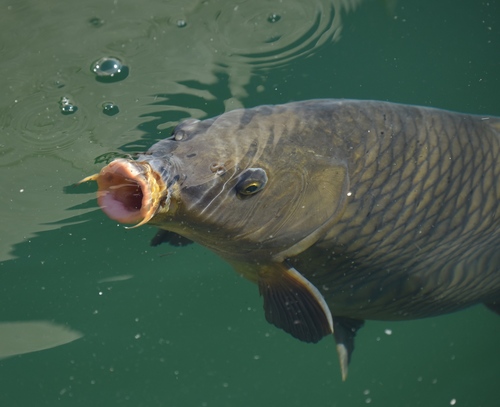
Kujaku Koi are stunning ornamental fish, known for their vibrant patterns and graceful movements.
Pricing for Verified Importers
Log in to see wholesale prices and order.
Export Size
up to 80.0 cm
Origin
Southeast Asia
Temperature
20.0–25.0°C
Min. Tank Size
500 L
pH
6.50–7.50
Diet
omnivore
The Kujaku Koi, a beautiful variety of the common carp (Cyprinus carpio), is prized for its striking coloration and unique patterns. Originating from the domestication of the common carp in Asia, Kujaku Koi are often distinguished by their white bodies adorned with bright red, orange, or black markings. These ornamental fish exhibit a graceful swimming style and can grow considerably large, making them a favorite among koi enthusiasts and aquarium hobbyists.
In their natural habitats, Kujaku Koi thrive in eutrophic waters such as lakes and large rivers, where they can often be found in schools. They prefer shallow, warm waters with plenty of vegetation, which provides both shelter and foraging opportunities. Their adaptability allows them to survive in a range of freshwater environments, but they are also known to impact local ecosystems when introduced outside their native ranges.
Behaviorally, Kujaku Koi are social creatures that display a calm demeanor, making them suitable for community aquariums. They are curious and interactive, often approaching their keepers for food. Their peaceful nature allows them to coexist with various species, provided that tank mates are similarly non-aggressive. Kujaku Koi are also known for their strong instincts to explore and forage, which is an essential aspect of their care in captivity.
As a domesticated variety, Kujaku Koi are often bred for specific traits that enhance their aesthetic appeal. This selective breeding has led to a wide range of colors and patterns, contributing to their popularity in ornamental fish trade. However, wild populations of common carp are considered vulnerable to extinction, highlighting the importance of responsible breeding and conservation practices in maintaining this beloved species.
In their natural habitats, Kujaku Koi thrive in eutrophic waters such as lakes and large rivers, where they can often be found in schools. They prefer shallow, warm waters with plenty of vegetation, which provides both shelter and foraging opportunities. Their adaptability allows them to survive in a range of freshwater environments, but they are also known to impact local ecosystems when introduced outside their native ranges.
Behaviorally, Kujaku Koi are social creatures that display a calm demeanor, making them suitable for community aquariums. They are curious and interactive, often approaching their keepers for food. Their peaceful nature allows them to coexist with various species, provided that tank mates are similarly non-aggressive. Kujaku Koi are also known for their strong instincts to explore and forage, which is an essential aspect of their care in captivity.
As a domesticated variety, Kujaku Koi are often bred for specific traits that enhance their aesthetic appeal. This selective breeding has led to a wide range of colors and patterns, contributing to their popularity in ornamental fish trade. However, wild populations of common carp are considered vulnerable to extinction, highlighting the importance of responsible breeding and conservation practices in maintaining this beloved species.
To ensure the optimal health and well-being of Kujaku Koi, maintaining appropriate water parameters is crucial. The ideal temperature range for these fish is between 20°C to 25°C, with a pH level between 6.5 and 7.5. A minimum tank size of 500 liters is recommended to accommodate their size and swimming needs. Kujaku Koi are omnivores and will thrive on a varied diet that includes high-quality pellets, fresh vegetables, and occasional protein sources such as worms or insects.
Compatibility is an essential consideration when housing Kujaku Koi. They are generally peaceful and can coexist with other non-aggressive freshwater species. However, caution should be exercised when introducing them to smaller fish, as their size and feeding habits may pose a threat to smaller tank mates. Acclimation to a new environment should be gradual, ideally over a few hours, to minimize stress and shock.
Quarantine is highly recommended for new arrivals to prevent the introduction of diseases into an established tank. A separate quarantine tank should be maintained for at least two weeks, during which the fish can be monitored for signs of illness before being introduced to the main aquarium.
Compatibility is an essential consideration when housing Kujaku Koi. They are generally peaceful and can coexist with other non-aggressive freshwater species. However, caution should be exercised when introducing them to smaller fish, as their size and feeding habits may pose a threat to smaller tank mates. Acclimation to a new environment should be gradual, ideally over a few hours, to minimize stress and shock.
Quarantine is highly recommended for new arrivals to prevent the introduction of diseases into an established tank. A separate quarantine tank should be maintained for at least two weeks, during which the fish can be monitored for signs of illness before being introduced to the main aquarium.
Kujaku Koi are suitable for shipping under controlled conditions. It is essential to pack them in breathable bags with adequate water to minimize stress during transport. A packing density of 1-2 fish per liter is advisable. During shipping, keeping the temperature stable between 20°C to 25°C is crucial to ensure their health. Kujaku Koi are not listed under CITES, making them easier to export without additional regulatory concerns.
Species Parameters
Max Adult Size
80.0 cm
Origin
Southeast Asia
Diet
omnivore
Temp Min
20.0 °C
Temp Max
25.0 °C
pH Min
6.50
pH Max
7.50
Min Tank
500 L