Butterfly Koi
Cyprinus carpio
Limited
Occasional stock
Wild Caught
Easy care
Not Reef Safe
SKU: 01-A-41-014-05
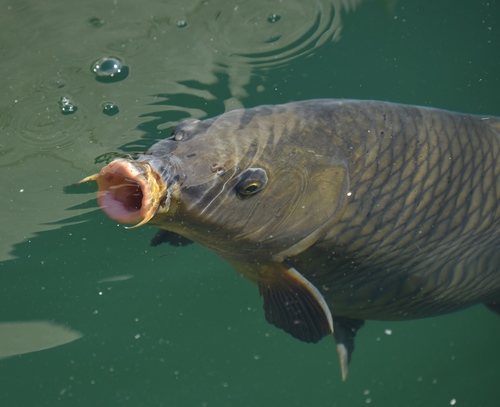
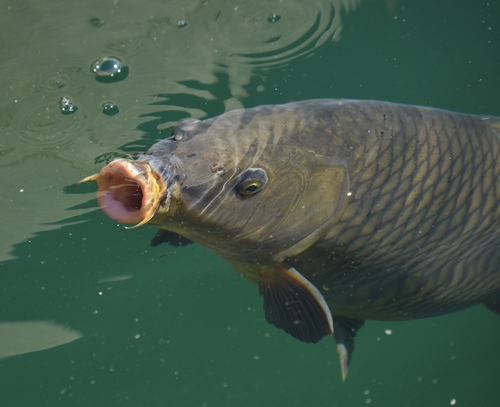
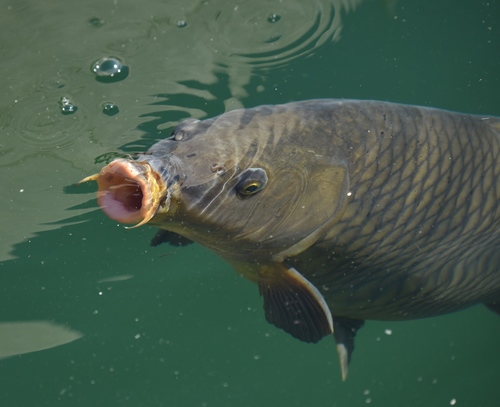
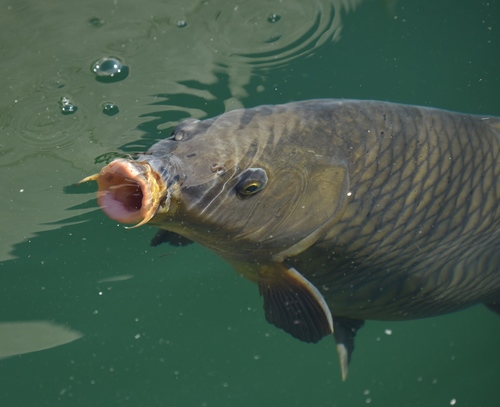
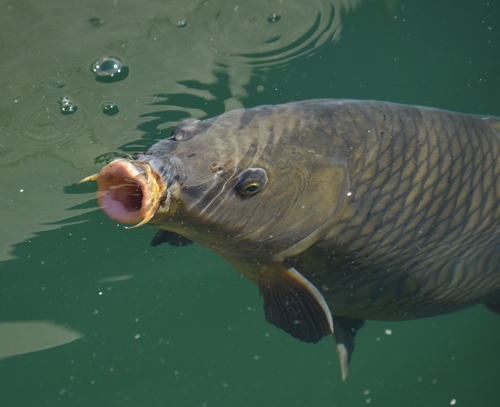
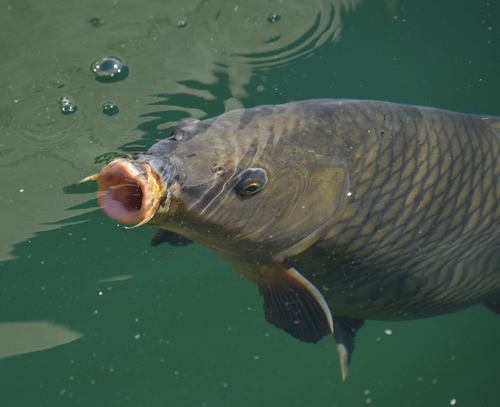
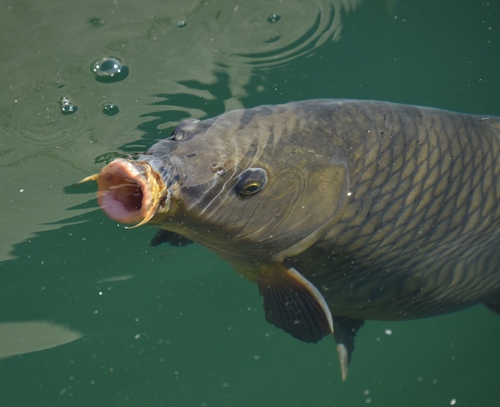
The Butterfly Koi is a stunning, ornamental fish known for its vibrant colors and unique patterns.
Pricing for Verified Importers
Log in to see wholesale prices and order.
Export Size
up to 90.0 cm
Origin
Southeast Asia
Temperature
18.0–24.0°C
Min. Tank Size
1,000 L
pH
6.50–8.00
Diet
omnivore
Butterfly Koi (Cyprinus carpio) are a striking variety of the common carp, renowned for their elongated fins and vibrant colorations that resemble butterfly wings. Originally bred in Japan, these ornamental fish have become popular worldwide due to their aesthetic appeal and graceful swimming behavior. They exhibit a variety of colors, including orange, white, black, and yellow, often with intricate patterns that make each fish unique.
In terms of natural history, Koi are often found in freshwater environments such as lakes, ponds, and rivers, where they thrive in warm, nutrient-rich waters. They are social creatures that prefer to be in groups, exhibiting complex behaviors that can be quite entertaining for observers. Their adaptability allows them to live in a range of habitats, although they are most commonly found in well-maintained aquatic settings.
Behaviorally, Butterfly Koi are known for their peaceful nature, making them suitable for community tanks with other non-aggressive species. They are also quite intelligent and can learn to recognize their owners, responding to feeding times with excitement. Their natural instinct is to forage for food, which includes plant materials, insects, and small crustaceans, enhancing their role in the aquatic ecosystem.
As a domesticated species, Butterfly Koi are often kept in ornamental ponds and aquariums, where they add beauty and serenity. However, it's crucial to provide them with ample swimming space and proper care to ensure their health and longevity. With the right conditions, these fish can live for several decades, becoming a cherished part of any aquatic collection.
In terms of natural history, Koi are often found in freshwater environments such as lakes, ponds, and rivers, where they thrive in warm, nutrient-rich waters. They are social creatures that prefer to be in groups, exhibiting complex behaviors that can be quite entertaining for observers. Their adaptability allows them to live in a range of habitats, although they are most commonly found in well-maintained aquatic settings.
Behaviorally, Butterfly Koi are known for their peaceful nature, making them suitable for community tanks with other non-aggressive species. They are also quite intelligent and can learn to recognize their owners, responding to feeding times with excitement. Their natural instinct is to forage for food, which includes plant materials, insects, and small crustaceans, enhancing their role in the aquatic ecosystem.
As a domesticated species, Butterfly Koi are often kept in ornamental ponds and aquariums, where they add beauty and serenity. However, it's crucial to provide them with ample swimming space and proper care to ensure their health and longevity. With the right conditions, these fish can live for several decades, becoming a cherished part of any aquatic collection.
To successfully care for Butterfly Koi, maintain water parameters that closely mimic their natural habitat. Ideal temperature ranges from 20°C to 25°C, with a pH level between 6.5 and 8.0. They thrive in a minimum tank size of 1000 liters, allowing ample space for swimming and social interaction. Regular water changes and filtration are essential to keep the water clean and free of toxins.
Feeding should consist of a balanced diet that includes high-quality koi pellets, supplemented with fresh vegetables and occasional protein sources like worms or insects. Feeding frequency may vary; however, a general guideline is to feed them 1-2 times daily, ensuring not to overfeed, as this can lead to poor water quality.
Butterfly Koi are compatible with other peaceful fish species, but care should be taken to avoid aggressive or territorial types. Acclimation to new environments should be gradual; introduce them slowly to prevent stress. Quarantine new arrivals for at least two weeks to monitor for any signs of illness before adding them to the main tank.
Feeding should consist of a balanced diet that includes high-quality koi pellets, supplemented with fresh vegetables and occasional protein sources like worms or insects. Feeding frequency may vary; however, a general guideline is to feed them 1-2 times daily, ensuring not to overfeed, as this can lead to poor water quality.
Butterfly Koi are compatible with other peaceful fish species, but care should be taken to avoid aggressive or territorial types. Acclimation to new environments should be gradual; introduce them slowly to prevent stress. Quarantine new arrivals for at least two weeks to monitor for any signs of illness before adding them to the main tank.
Butterfly Koi are suitable for shipping with specific care. They should be packed in breathable bags with ample oxygen and sufficient water to minimize stress. Optimal shipping temperatures range from 18°C to 24°C to ensure their well-being during transit. It's important to adhere to CITES regulations, although Butterfly Koi are not listed, ensuring compliance with local and international export laws.
Species Parameters
Max Adult Size
90.0 cm
Origin
Southeast Asia
Diet
omnivore
Temp Min
18.0 °C
Temp Max
24.0 °C
pH Min
6.50
pH Max
8.00
Min Tank
1000 L