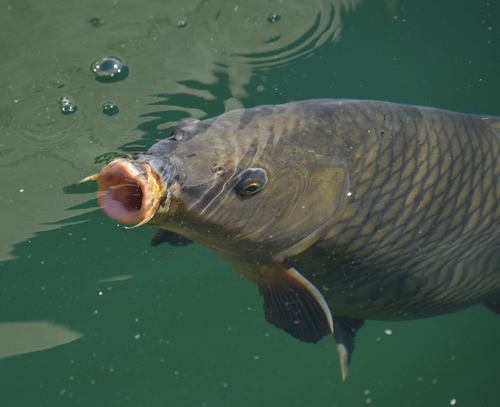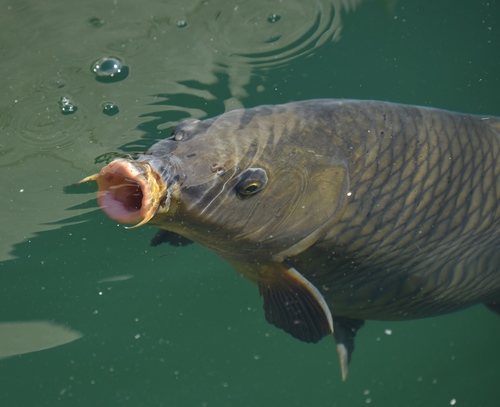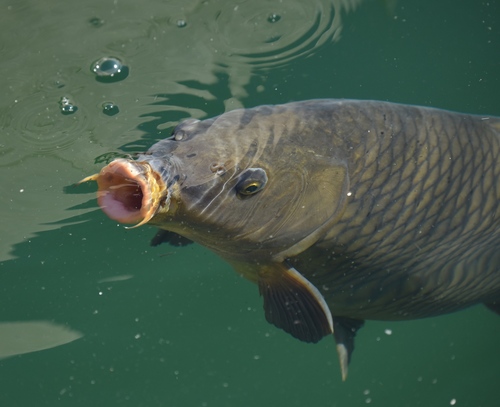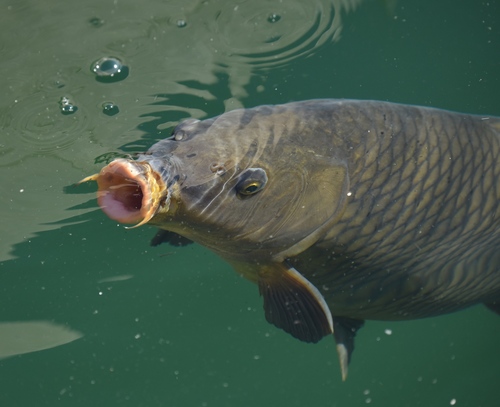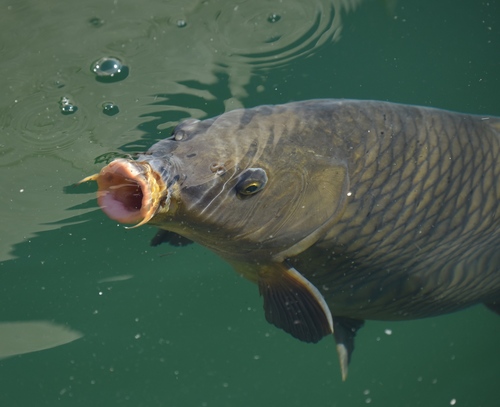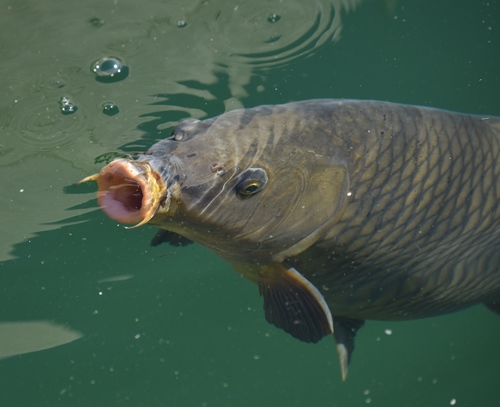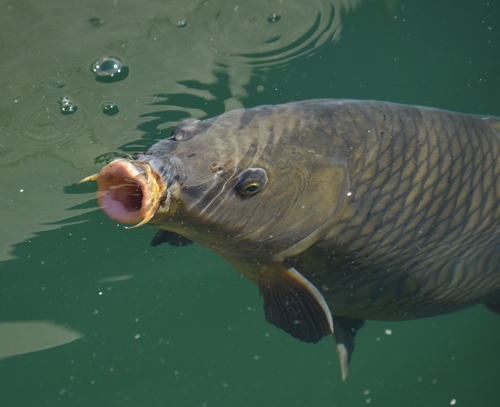
Assorted Showa Koi, Hi Showa Koi
Cyprinus carpio
Limited
Occasional stock
Wild Caught
Easy care
Not Reef Safe
SKU: 01-A-41-032-08
Experience the beauty of Assorted Showa Koi and Hi Showa Koi, prized for their striking colors and patterns.
Pricing for Verified Importers
Log in to see wholesale prices and order.
Export Size
up to 90.0 cm
Origin
Southeast Asia
Temperature
18.0–24.0°C
Min. Tank Size
1,000 L
pH
6.50–8.00
Diet
omnivore
The Assorted Showa Koi and Hi Showa Koi, members of the Cyprinus carpio species, are renowned for their vibrant colors and intricate patterns, making them a favorite among aquatic enthusiasts and collectors. Originating from the Nishikigoi breeding in Japan, these koi have been selectively bred to showcase stunning tri-color patterns, typically featuring black, red, and white hues. The Showa Koi variety is distinguished by its bold black markings combined with the other colors, creating a captivating visual appeal that has made them a staple in ornamental ponds and water gardens around the world.
In their natural habitat, common carp thrive in freshwater environments, predominantly found in lakes and rivers with rich vegetation. They prefer eutrophic waters, which are nutrient-rich, allowing for abundant food sources. While native populations are considered vulnerable, domesticated varieties like the Showa Koi have adapted well to various environments, resulting in their widespread availability and popularity in the aquarium trade.
Behaviorally, Koi are social fish that exhibit a calm demeanor, making them ideal for community tanks and outdoor ponds. They are known for their playful nature, often interacting with other fish and their human caretakers. Koi can recognize their owners and may even respond to feeding times with excitement, showcasing their intelligence and adaptability.
Assorted and Hi Showa Koi are best kept in well-maintained water conditions with adequate filtration and oxygenation. They thrive in environments that mimic their natural habitat, which includes plenty of space for swimming and hiding spots to reduce stress in a communal setting. Their vibrant colors and patterns not only enhance the aesthetic value of any aquarium but also provide a peaceful and engaging aquatic experience for enthusiasts.
In their natural habitat, common carp thrive in freshwater environments, predominantly found in lakes and rivers with rich vegetation. They prefer eutrophic waters, which are nutrient-rich, allowing for abundant food sources. While native populations are considered vulnerable, domesticated varieties like the Showa Koi have adapted well to various environments, resulting in their widespread availability and popularity in the aquarium trade.
Behaviorally, Koi are social fish that exhibit a calm demeanor, making them ideal for community tanks and outdoor ponds. They are known for their playful nature, often interacting with other fish and their human caretakers. Koi can recognize their owners and may even respond to feeding times with excitement, showcasing their intelligence and adaptability.
Assorted and Hi Showa Koi are best kept in well-maintained water conditions with adequate filtration and oxygenation. They thrive in environments that mimic their natural habitat, which includes plenty of space for swimming and hiding spots to reduce stress in a communal setting. Their vibrant colors and patterns not only enhance the aesthetic value of any aquarium but also provide a peaceful and engaging aquatic experience for enthusiasts.
When caring for Assorted Showa Koi and Hi Showa Koi, maintaining optimal water parameters is crucial for their health. Ideal water temperature ranges from 18°C to 24°C, with a pH level between 6.5 and 8.0. Regular water changes and monitoring of ammonia, nitrite, and nitrate levels are essential to prevent stress and illness. A minimum tank size of 1000 liters is recommended for a small group to ensure adequate swimming space and water quality.
Koi are omnivorous and thrive on a varied diet that includes high-quality koi pellets, fresh vegetables, and occasional protein sources such as insects or shrimp. Feeding should occur 2-3 times a day, with portions that can be consumed within a few minutes to prevent water pollution.
Compatibility is generally good with other peaceful fish species, but caution should be taken with aggressive or fin-nipping species. Acclimation should be done gradually to reduce stress, ideally using the drip acclimation method. Quarantine new arrivals for at least two weeks to monitor health and prevent the introduction of diseases into the main tank.
Koi are omnivorous and thrive on a varied diet that includes high-quality koi pellets, fresh vegetables, and occasional protein sources such as insects or shrimp. Feeding should occur 2-3 times a day, with portions that can be consumed within a few minutes to prevent water pollution.
Compatibility is generally good with other peaceful fish species, but caution should be taken with aggressive or fin-nipping species. Acclimation should be done gradually to reduce stress, ideally using the drip acclimation method. Quarantine new arrivals for at least two weeks to monitor health and prevent the introduction of diseases into the main tank.
Assorted Showa Koi and Hi Showa Koi are suitable for shipping, provided that they are carefully packed to ensure minimal stress during transit. Packing density should be moderate to allow for movement while ensuring sufficient oxygen. Ideal shipping temperatures range from 18°C to 24°C to prevent thermal shock. As these koi are not listed under CITES, shipping regulations are mainly determined by the local laws of the destination country.
Species Parameters
Max Adult Size
90.0 cm
Origin
Southeast Asia
Diet
omnivore
Temp Min
18.0 °C
Temp Max
24.0 °C
pH Min
6.50
pH Max
8.00
Min Tank
1000 L