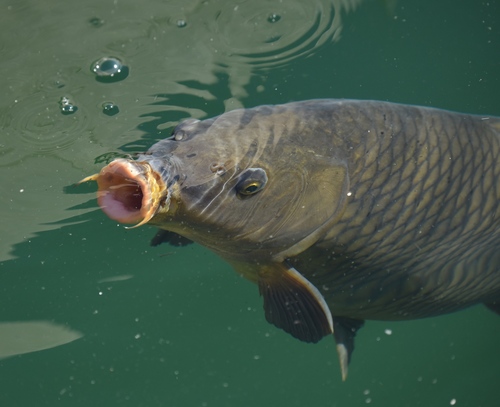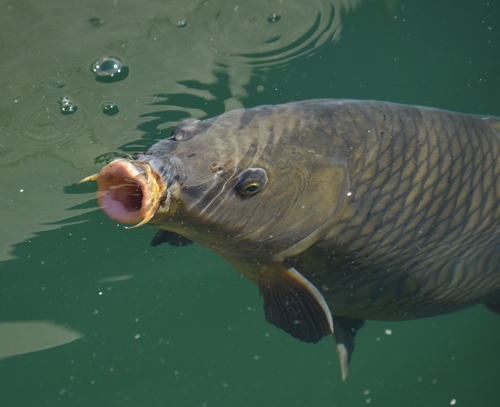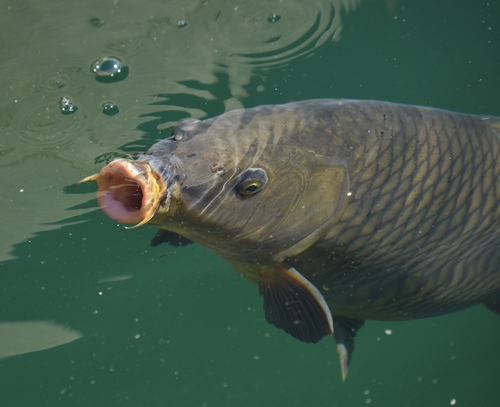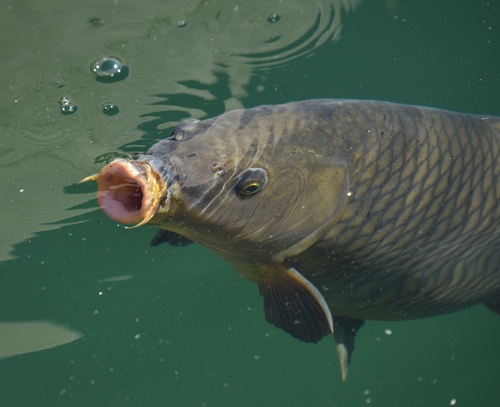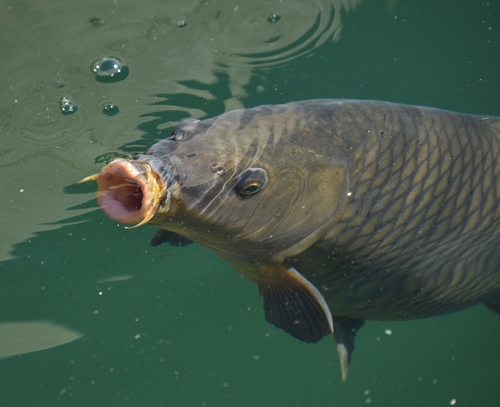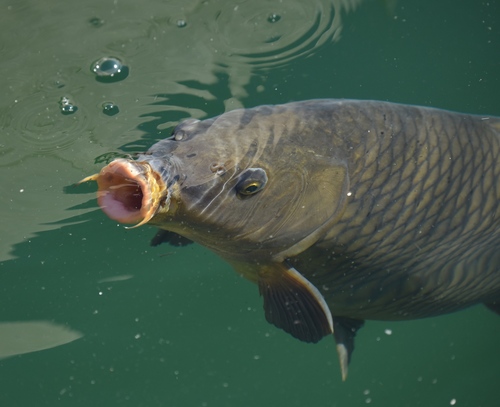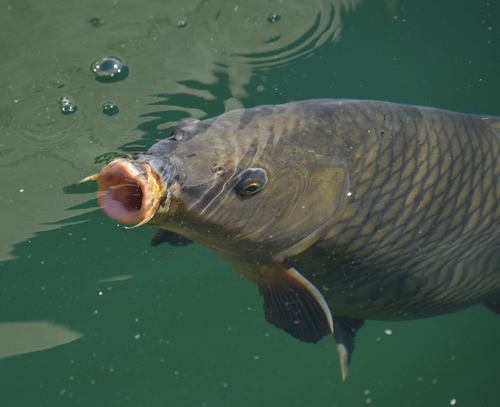
Kiko (Yellow) Koi
Cyprinus carpio
Limited
Occasional stock
Wild Caught
Easy care
Not Reef Safe
SKU: 01-A-41-017-05
The Kiko (Yellow) Koi is a vibrant freshwater fish known for its captivating colors and serene presence in aquariums.
Pricing for Verified Importers
Log in to see wholesale prices and order.
Export Size
up to 30.0 cm
Origin
Southeast Asia
Temperature
18.0–24.0°C
Min. Tank Size
200 L
pH
6.50–8.00
Diet
omnivore
The Kiko (Yellow) Koi, a vibrant variety of Cyprinus carpio, is a domesticated form of the common carp, originally found in the freshwater bodies of Europe and Asia. These remarkable fish are celebrated for their stunning coloration, particularly the striking yellow hues that distinguish them from other koi varieties. With their graceful bodies and flowing fins, Kiko Koi add both beauty and tranquility to any aquatic setting.
In their natural habitat, common carp thrive in warm, shallow waters of lakes and rivers, often in areas rich with vegetation. This species is highly adaptable, capable of living in various water conditions, which has led to its widespread introduction around the globe. Despite their adaptability, wild populations face threats from habitat loss and pollution, contributing to their classification as vulnerable by the IUCN.
Kiko Koi are social creatures, often found in schools, and exhibit a range of behaviors that make them engaging to observe. They are known for their curious nature, often interacting with their surroundings and human caretakers. Their peaceful disposition allows them to coexist with a variety of other freshwater species, making them a popular choice for community tanks.
In terms of care, Kiko Koi require a well-maintained aquarium with ample space for swimming and hiding spots to reduce stress. Proper filtration and regular water changes are crucial to maintain optimal water quality, further supporting their vibrant health and coloration.
In their natural habitat, common carp thrive in warm, shallow waters of lakes and rivers, often in areas rich with vegetation. This species is highly adaptable, capable of living in various water conditions, which has led to its widespread introduction around the globe. Despite their adaptability, wild populations face threats from habitat loss and pollution, contributing to their classification as vulnerable by the IUCN.
Kiko Koi are social creatures, often found in schools, and exhibit a range of behaviors that make them engaging to observe. They are known for their curious nature, often interacting with their surroundings and human caretakers. Their peaceful disposition allows them to coexist with a variety of other freshwater species, making them a popular choice for community tanks.
In terms of care, Kiko Koi require a well-maintained aquarium with ample space for swimming and hiding spots to reduce stress. Proper filtration and regular water changes are crucial to maintain optimal water quality, further supporting their vibrant health and coloration.
For optimal care of Kiko (Yellow) Koi, maintain water temperatures between 18°C and 24°C, with pH levels ranging from 6.5 to 8.0. These fish thrive in well-oxygenated water, so ensure adequate filtration and aeration. A minimum tank size of 200 liters is recommended to accommodate their size and swimming needs.
Kiko Koi are omnivorous, requiring a balanced diet that includes high-quality koi pellets, supplemented with vegetables and occasional protein sources such as bloodworms or brine shrimp. Feeding should be done 1-2 times a day, with care taken not to overfeed, as this can lead to water quality issues.
When introducing Kiko Koi into a new aquarium, acclimation is essential to prevent shock. Gradually introduce them to the new environment by floating the sealed bag in the tank for 15-20 minutes, then slowly mixing tank water into the bag. Quarantine new arrivals for at least two weeks to monitor for any signs of disease before adding them to the main tank. Ensure compatibility with other species by selecting peaceful tank mates, as aggressive fish can stress Koi.
Kiko Koi are omnivorous, requiring a balanced diet that includes high-quality koi pellets, supplemented with vegetables and occasional protein sources such as bloodworms or brine shrimp. Feeding should be done 1-2 times a day, with care taken not to overfeed, as this can lead to water quality issues.
When introducing Kiko Koi into a new aquarium, acclimation is essential to prevent shock. Gradually introduce them to the new environment by floating the sealed bag in the tank for 15-20 minutes, then slowly mixing tank water into the bag. Quarantine new arrivals for at least two weeks to monitor for any signs of disease before adding them to the main tank. Ensure compatibility with other species by selecting peaceful tank mates, as aggressive fish can stress Koi.
Kiko Koi are suitable for shipping, provided they are packed securely in breathable bags with adequate water and oxygen levels. The ideal temperature range during transit is between 18°C and 24°C to minimize stress. A packing density of 1-2 fish per liter is recommended to ensure their well-being. Currently, there are no CITES restrictions on this species.
Species Parameters
Max Adult Size
30.0 cm
Origin
Southeast Asia
Diet
omnivore
Temp Min
18.0 °C
Temp Max
24.0 °C
pH Min
6.50
pH Max
8.00
Min Tank
200 L