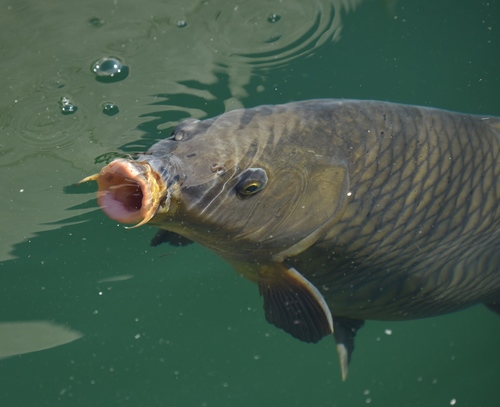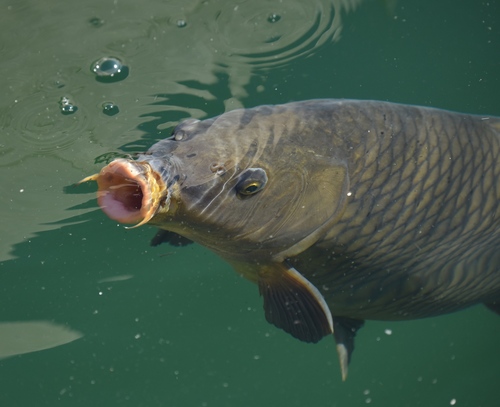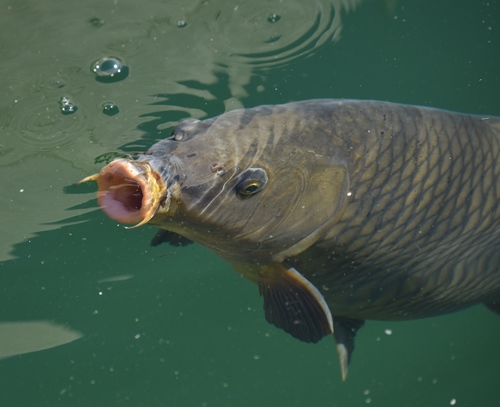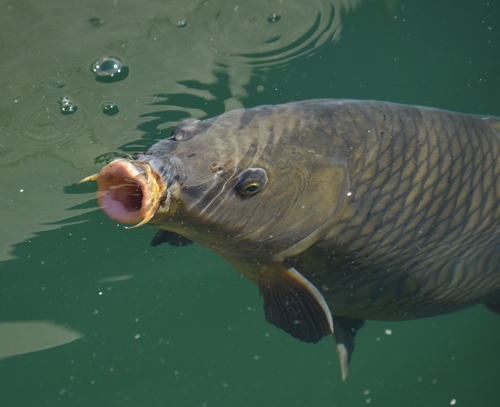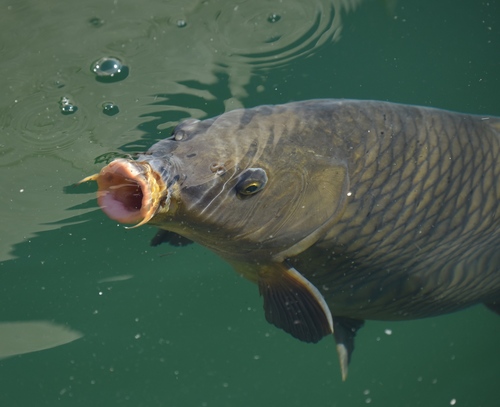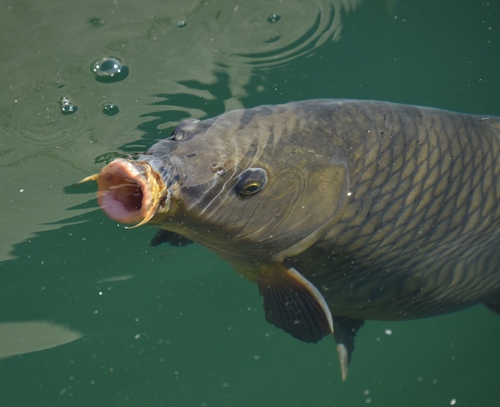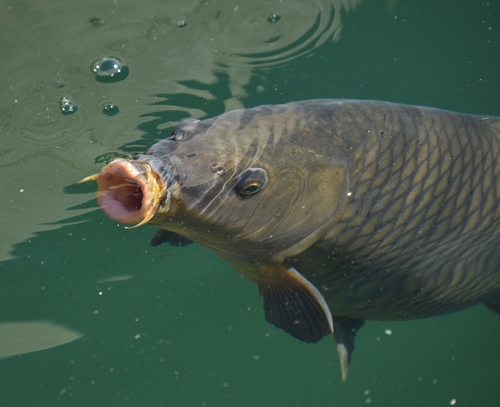
Assorted Showa Koi, Shiro Koi, Utsuri Koi, Hi Utsuri, Tancho Showa Koi
Cyprinus carpio
Limited
Occasional stock
Wild Caught
Easy care
Not Reef Safe
SKU: 01-A-41-020-05
Discover the beauty of Assorted Koi varieties, perfect for enhancing any aquatic display.
Pricing for Verified Importers
Log in to see wholesale prices and order.
Export Size
up to 90.0 cm
Origin
Southeast Asia
Temperature
18.0–24.0°C
Min. Tank Size
1,000 L
pH
6.50–8.00
Diet
omnivore
Assorted Showa Koi, Shiro Koi, Utsuri Koi, Hi Utsuri, and Tancho Showa Koi (Cyprinus carpio) are celebrated for their vibrant colors and intricate patterns, which make them a favorite among pond enthusiasts and aquarium collectors. These freshwater fish are not only visually stunning but also possess fascinating characteristics that reflect their rich cultural significance in Japan, where they symbolize luck and prosperity. Each variety showcases unique colorations, including the striking contrast of black and white in Shiro Koi and the bold patterns of Utsuri Koi, offering a diverse aesthetic appeal for aquarists.
In their natural habitat, Koi thrive in slow-moving waters such as ponds, lakes, and rivers, where they can find ample food and shelter. Originally derived from common carp, these domesticated varieties exhibit a wide range of colors and patterns due to selective breeding over centuries. Koi are known for their peaceful nature, often seen swimming gracefully in schools, which adds to their charm in display environments. Their adaptability allows them to thrive in various freshwater conditions, making them suitable for both indoor and outdoor settings.
Behaviorally, Koi are social fish that enjoy the company of their own kind, often interacting with one another through playful antics. They are also intelligent and can be trained to recognize their owners, often approaching the surface for feeding. Koi are generally hardy, but they do require specific care to ensure their health and longevity. Understanding their needs is essential for any importer or retailer looking to provide the best environment for these exquisite fish.
Koi are not just ornamental; they also play a role in their ecosystems by helping maintain water quality through their feeding habits, which involve foraging for algae and small invertebrates. Their presence can enhance the biodiversity of pond environments, making them a valuable addition to any aquatic ecosystem.
In their natural habitat, Koi thrive in slow-moving waters such as ponds, lakes, and rivers, where they can find ample food and shelter. Originally derived from common carp, these domesticated varieties exhibit a wide range of colors and patterns due to selective breeding over centuries. Koi are known for their peaceful nature, often seen swimming gracefully in schools, which adds to their charm in display environments. Their adaptability allows them to thrive in various freshwater conditions, making them suitable for both indoor and outdoor settings.
Behaviorally, Koi are social fish that enjoy the company of their own kind, often interacting with one another through playful antics. They are also intelligent and can be trained to recognize their owners, often approaching the surface for feeding. Koi are generally hardy, but they do require specific care to ensure their health and longevity. Understanding their needs is essential for any importer or retailer looking to provide the best environment for these exquisite fish.
Koi are not just ornamental; they also play a role in their ecosystems by helping maintain water quality through their feeding habits, which involve foraging for algae and small invertebrates. Their presence can enhance the biodiversity of pond environments, making them a valuable addition to any aquatic ecosystem.
To ensure the health and vitality of Assorted Koi varieties, it is crucial to maintain optimal water conditions. Koi thrive in temperatures ranging from 18 to 24 degrees Celsius (64 to 75 degrees Fahrenheit), with a pH level between 6.5 and 8.0. Regular water changes and filtration are essential to keep ammonia and nitrite levels low, which helps prevent disease. A minimum tank size of 1000 liters is recommended to provide ample space for swimming and growth.
Feeding Koi requires a balanced diet that includes high-quality koi pellets, as well as occasional treats like vegetables and live food. It is important to feed them multiple times a day in small amounts to prevent overfeeding and maintain water quality. Koi are generally compatible with other peaceful freshwater species, but care should be taken to avoid aggressive fish that may stress them.
Acclimating new Koi to their environment should be done gradually to minimize stress. Float the sealed bag containing the fish in the aquarium for about 30 minutes, then gradually mix tank water into the bag before releasing them. Quarantine new arrivals for at least two weeks in a separate tank to monitor for any signs of disease before introducing them to the main display.
Overall, providing a stable environment with proper care will ensure that Assorted Koi varieties thrive and display their beauty for years to come.
Feeding Koi requires a balanced diet that includes high-quality koi pellets, as well as occasional treats like vegetables and live food. It is important to feed them multiple times a day in small amounts to prevent overfeeding and maintain water quality. Koi are generally compatible with other peaceful freshwater species, but care should be taken to avoid aggressive fish that may stress them.
Acclimating new Koi to their environment should be done gradually to minimize stress. Float the sealed bag containing the fish in the aquarium for about 30 minutes, then gradually mix tank water into the bag before releasing them. Quarantine new arrivals for at least two weeks in a separate tank to monitor for any signs of disease before introducing them to the main display.
Overall, providing a stable environment with proper care will ensure that Assorted Koi varieties thrive and display their beauty for years to come.
Assorted Koi are suitable for air transport, provided they are packed with care to minimize stress. Using insulated bags with oxygen is recommended to maintain a stable environment during transit. The ideal shipping temperature should be between 18 to 22 degrees Celsius. Ensure that packing density allows for adequate space to prevent injury. These Koi are not listed under CITES, making them easier to export internationally without special permits.
Species Parameters
Max Adult Size
90.0 cm
Origin
Southeast Asia
Diet
omnivore
Temp Min
18.0 °C
Temp Max
24.0 °C
pH Min
6.50
pH Max
8.00
Min Tank
1000 L